



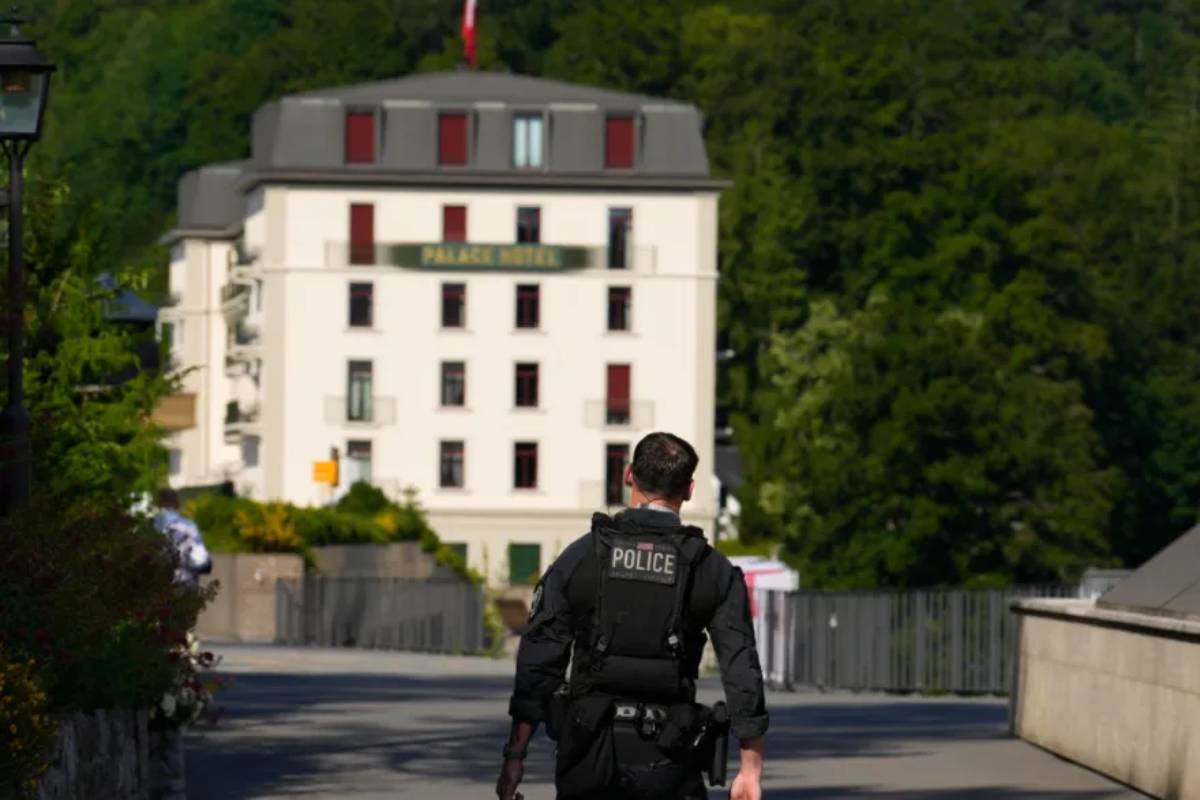
A new round of Iran–US technical talks is set to unfold in Switzerland, marking a cautious yet notable step in ongoing diplomatic engagement. The discussions signal a potential easing of tensions and renewed diplomatic channel-building, with implications for regional stability, energy markets, and broader geopolitical risk assessments across global policy circles.
The upcoming technical-level discussions between Iranian and US representatives will focus on procedural and issue-specific frameworks rather than high-level political agreements. Switzerland continues to serve as a neutral facilitator, reinforcing its long-standing diplomatic role in sensitive international negotiations.
The talks follow recent diplomatic exchanges that hinted at limited “constructive progress,” though core disagreements remain unresolved. Key stakeholders include the Iranian Foreign Ministry, US State Department representatives, and Swiss diplomatic mediators.
While no formal breakthrough is expected, the engagement itself reflects incremental confidence-building. Markets are watching closely, particularly energy traders and geopolitical risk analysts, as even small diplomatic shifts between Tehran and Washington can influence oil pricing and regional stability forecasts.
The Iran–US relationship has remained strained for decades, shaped by nuclear negotiations, sanctions regimes, and periodic diplomatic breakdowns. Switzerland has historically played a “protecting power” role, representing US interests in Tehran and acting as a neutral intermediary in sensitive communications.
These technical talks emerge against a backdrop of renewed international concern over nuclear compliance frameworks, regional proxy tensions, and fluctuating energy markets. Previous negotiation cycles including the Joint Comprehensive Plan of Action (JCPOA) collapsed under political and strategic disagreements, leaving diplomacy fragmented.
The current engagement reflects a broader global trend where middle-power states such as Switzerland are increasingly central to conflict mediation. For executives and policymakers, even low-level diplomatic contact between Iran and the US is significant, as it can signal shifts in sanctions enforcement, energy supply expectations, and geopolitical risk modeling across markets.
Diplomatic analysts view the technical talks as “risk-managed engagement” rather than genuine breakthrough negotiations. According to geopolitical observers, both Washington and Tehran are currently testing negotiation space without committing to structural concessions.
Former diplomats suggest Switzerland’s facilitation role remains critical, providing a trusted, low-friction environment for communication. Policy experts note that such technical discussions often serve as precursors to broader frameworks, even if they do not immediately alter policy outcomes.
Energy market strategists highlight that traders closely monitor these signals, as Iran’s position in global oil supply chains makes any diplomatic easing materially relevant. Meanwhile, security analysts caution that internal political dynamics in both countries could limit negotiation flexibility, keeping outcomes uncertain despite the diplomatic optics.
For global businesses, especially in energy, shipping, and commodities, even incremental Iran–US engagement can recalibrate risk premiums and pricing volatility. Investors typically respond quickly to perceived diplomatic thawing in sanctions-heavy environments.
Policy experts suggest that sustained technical engagement could slowly open pathways for limited sanctions relief discussions, though structural resolution remains distant. For multinational corporations, this environment reinforces the need for adaptive geopolitical risk strategies and scenario-based planning.
Governments and regulators will continue to monitor compliance frameworks closely, while markets may react more to signals than outcomes. The key takeaway for C-suite decision-makers is that diplomatic friction remains high, but communication channels are gradually reopening.
The coming weeks will determine whether technical talks evolve into structured negotiation pathways or remain symbolic engagement. Observers will watch for follow-up scheduling, expanded agendas, and any shift in sanctions discourse. However, entrenched political constraints on both sides suggest progress will remain slow and incremental, with diplomacy continuing in a controlled and cautious format.
Source: swissinfo.ch
Date: June 23, 2026


