



The AI-powered video generation race is accelerating as platforms position themselves for enterprise adoption. Companies like HeyGen and Synthesia are competing in a rapidly expanding market where automation, localization, and scalable content production are redefining corporate communications and digital marketing strategies.
AI video platforms now enable businesses to generate presenter-led videos without traditional filming infrastructure. HeyGen and Synthesia offer avatar-based video generation, multilingual voiceovers, and customizable scripts tailored for corporate training, marketing, and internal communications.
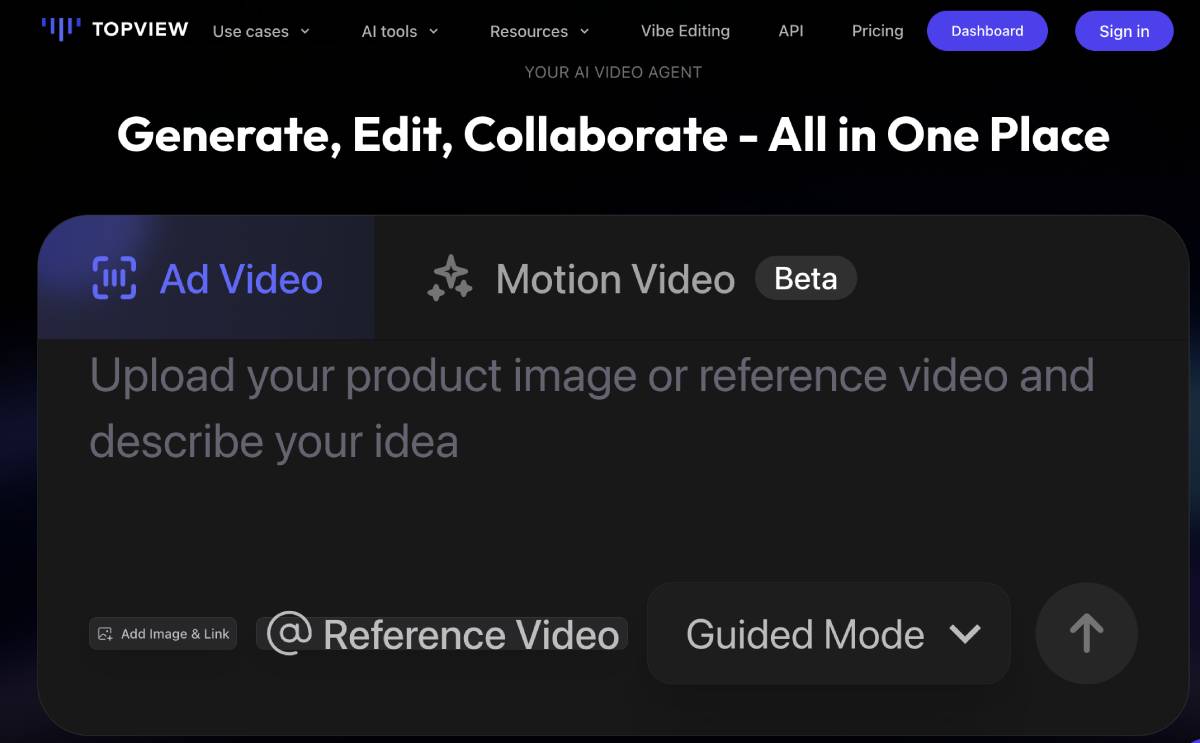
Comparison platforms such as Topview AI highlight feature differentiation, pricing models, and enterprise integrations. The tools significantly reduce production costs and turnaround times for video content. Demand is particularly strong among multinational corporations seeking scalable localization solutions.
As AI avatars become increasingly realistic, competition centers on output quality, compliance safeguards, and integration with enterprise workflows. The development aligns with a broader trend across global markets where video has become the dominant digital communication format.
From employee onboarding to product marketing, enterprises increasingly rely on video content to engage audiences. However, traditional production processes are costly and time-intensive.
Generative AI has disrupted this model by enabling synthetic presenters and automated voice generation at scale. The rise of remote work and cross-border operations has further accelerated demand for multilingual video tools. AI-powered localization reduces reliance on expensive reshoots and dubbing. At the same time, regulators are examining the ethical implications of synthetic avatars, particularly in advertising and political messaging. For executives, the AI video arms race reflects a broader digital transformation reshaping content strategy and operational efficiency.
Digital transformation analysts view AI video generation as one of the most commercially viable applications of generative AI. Marketing strategists argue that avatar-driven platforms allow brands to test campaigns rapidly and personalize messaging for segmented audiences. Enterprise IT leaders emphasize the importance of data security and compliance when deploying AI-generated corporate communications.
Media experts caution that increasing realism may blur lines between authentic and synthetic representation, raising transparency concerns. Industry observers suggest that platforms offering enterprise-grade security certifications and watermarking technologies will gain institutional trust. The competitive positioning of HeyGen and Synthesia reflects a maturing market where differentiation depends on reliability, realism, and regulatory alignment.
For corporations, AI video tools could dramatically cut production budgets while increasing output volume. HR departments may use synthetic presenters for standardized training modules across global offices. Investors see strong growth potential in SaaS-based video automation platforms serving enterprise clients. However, policymakers may introduce clearer disclosure rules governing AI-generated spokespersons and advertising transparency. For C-suite leaders, the integration of AI video solutions requires updated communication policies, risk management frameworks, and brand governance strategies to safeguard credibility.
Decision-makers should monitor advancements in avatar realism, voice synthesis accuracy, and enterprise adoption metrics. As competition intensifies, consolidation or strategic partnerships could reshape the AI video ecosystem. The next phase of growth will depend not only on innovation, but on regulatory clarity and corporate trust critical factors in scaling synthetic media responsibly.
Source: Topview AI Alternatives Page
Date: February 27, 2026


