



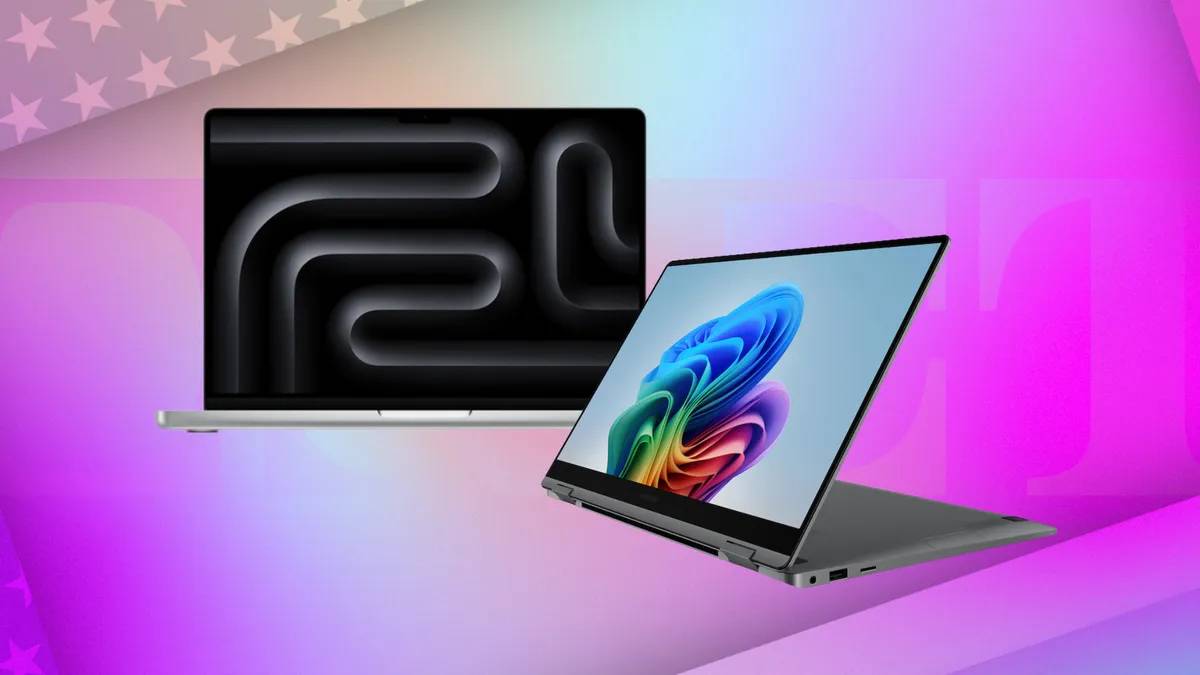
A major retail-driven pricing shift has emerged in the US consumer electronics market as Memorial Day promotions trigger steep discounts on laptops from Apple, HP, and Lenovo. With price reductions reaching up to $1,100, the seasonal sales event is reshaping short-term demand dynamics across global PC supply chains and consumer purchasing cycles.
Retailers across the United States have activated large-scale Memorial Day discounts, targeting premium and mid-range laptops from major manufacturers including Apple, HP, and Lenovo. According to market listings, discounts span productivity-focused MacBooks, business laptops, and gaming-oriented systems.
The promotional window is time-sensitive, aligning with one of the strongest seasonal retail cycles in the US electronics market. Retailers are leveraging inventory clearing strategies ahead of upcoming product refresh cycles, while consumers are responding to inflation-sensitive pricing conditions. The scale of discounts suggests intensified competition among OEMs and retail channels to capture demand before the back-to-school and Q3 product refresh period.
Seasonal discounting events such as Memorial Day sales have become a structural feature of the global consumer electronics market, particularly in North America. For manufacturers like Apple, HP, and Lenovo, these cycles help balance inventory management, stimulate demand, and maintain competitive positioning in a saturated PC market.
The broader PC industry has experienced cyclical volatility since the post-pandemic demand surge, followed by inventory corrections and stabilization phases. As inflationary pressures persist in global markets, consumers have become increasingly price-sensitive, making promotional events a key driver of unit sales.
Historically, major retail events such as Black Friday, back-to-school season, and holiday sales have dictated annual revenue peaks for PC manufacturers. Memorial Day now functions as an early-cycle catalyst, offering insight into demand elasticity and consumer upgrading behavior ahead of mid-year product refreshes.
Market analysts suggest that aggressive Memorial Day pricing reflects ongoing efforts by OEMs to stabilize shipment volumes amid fluctuating global demand. While official statements from Apple and peers remain limited, retail partners indicate strong promotional alignment across supply chains.
Industry experts note that discount depth reaching up to $1,100 on select configurations signals inventory optimization rather than purely demand stimulation. Analysts argue that such pricing strategies are often used to clear pre-refresh stock ahead of new chipset or design updates.
Retail strategists also highlight that competition among major PC brands has intensified due to shifting enterprise purchasing cycles and hybrid work normalization. This has forced manufacturers to rely more heavily on consumer-facing promotions to maintain volume stability and market share across key regions.
For global PC manufacturers, the pricing actions from Apple, HP, and Lenovo highlight increasing reliance on seasonal demand compression strategies. For businesses and IT procurement teams, such discounts create short-term opportunities to upgrade infrastructure at reduced capital expenditure. However, they also signal potential volatility in pricing structures tied to product refresh cycles.
Investors may interpret heavy discounting as a signal of inventory normalization pressures across the PC sector. Meanwhile, policymakers observing consumer electronics supply chains may note the continued sensitivity of hardware markets to macroeconomic conditions and discretionary spending trends.
Looking ahead, PC manufacturers are expected to maintain aggressive promotional strategies through the next product transition cycle. Apple, HP, and Lenovo will likely adjust pricing strategies ahead of back-to-school demand peaks. Key uncertainties include inflation trends, enterprise procurement recovery, and the timing of next-generation hardware releases. Decision-makers should monitor whether discount-driven demand translates into sustained volume growth or temporary market pull-forward effects.
Source: CNET
Date: May 26, 2026


