
White House Retreats From Aggressive AI Oversight

The White House has reportedly distanced itself from proposals advocating stronger federal controls on artificial intelligence, reflecting broader divisions within policymakers over how aggressively the US.

May 8, 2026
|
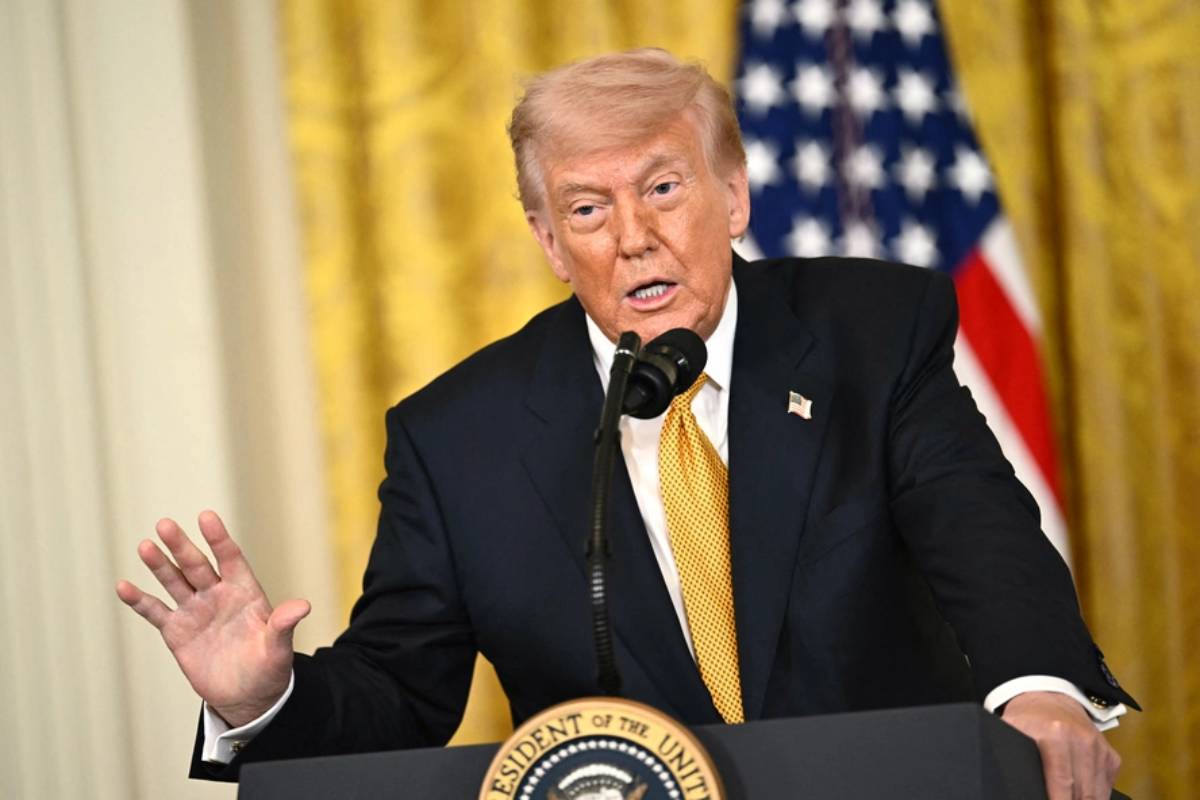
Image Source: Politico

A major policy shift emerged in Washington as the White House signaled resistance to stricter federal AI regulation, underscoring growing tensions between innovation priorities and calls for tighter oversight. The development carries significant implications for global technology firms, investors, regulators, and enterprises navigating the rapidly evolving artificial intelligence economy.

The White House has reportedly distanced itself from proposals advocating stronger federal controls on artificial intelligence, reflecting broader divisions within policymakers over how aggressively the US should regulate emerging AI technologies. The debate comes as lawmakers, consumer advocates, and technology firms intensify lobbying efforts around AI governance frameworks.

Federal officials appear increasingly focused on preserving US competitiveness in the global AI race, particularly against China, while avoiding regulations that could slow innovation or capital investment. The policy stance also coincides with mounting pressure from Silicon Valley firms seeking flexible compliance standards as AI adoption accelerates across finance, defense, healthcare, and enterprise software sectors.

The move may reshape expectations for federal enforcement timelines and influence state-level AI legislation already gaining momentum across the United States. The regulatory debate arrives during a period of extraordinary expansion in the artificial intelligence industry. Since the commercial breakthrough of generative AI systems, governments worldwide have struggled to balance innovation with concerns surrounding misinformation, cybersecurity, labor disruption, copyright protection, and national security.

The European Union has moved aggressively through its AI Act framework, while China continues deploying state-guided AI controls tied to strategic industrial policy. In contrast, the United States has largely relied on voluntary commitments, executive orders, and sector-specific guidance rather than sweeping federal legislation.

Technology companies have consistently argued that excessive regulation could weaken America’s competitive position in AI infrastructure, semiconductor leadership, and software innovation. Simultaneously, consumer protection groups and lawmakers warn that delayed oversight may create systemic risks tied to algorithmic bias, autonomous systems, and data misuse.

The White House position reflects a broader global divide between precautionary governance and innovation-first economic strategy. Industry analysts view the administration’s posture as a signal that economic competitiveness is currently outweighing regulatory caution in Washington’s AI strategy. Policy specialists note that federal agencies remain concerned about falling behind China in critical AI infrastructure, cloud computing capacity, and advanced semiconductor development.

Technology executives have repeatedly emphasized that rapid experimentation and deployment are essential to maintaining leadership in next-generation AI systems. Many large firms favor lighter-touch oversight combined with voluntary safety commitments and industry-led governance standards.

Meanwhile, digital rights advocates and cybersecurity researchers continue pushing for enforceable transparency requirements, accountability standards, and stronger protections against AI-driven misinformation and automated harm.

Political analysts suggest the White House may also be attempting to avoid creating regulatory uncertainty ahead of large-scale AI infrastructure investments already reshaping energy markets, data-center expansion, and enterprise technology spending across the US economy.

The debate is increasingly becoming both an economic and geopolitical issue. For global businesses, the softer federal stance could accelerate AI deployment timelines and reduce immediate compliance burdens for technology developers, cloud providers, and enterprise software firms. Investors may interpret the signal as favorable for continued AI capital expenditure growth, particularly across semiconductors, infrastructure, and automation platforms.

However, regulatory fragmentation remains a growing concern. Several US states are already advancing their own AI rules, potentially creating a patchwork compliance environment for multinational corporations.

Executives may now need to prepare for dual realities: lighter federal intervention paired with expanding state-level and international regulatory obligations. Companies operating globally could face increasing complexity as US policy diverges from stricter European and Asian frameworks governing AI safety, transparency, and accountability.

Attention will now shift toward congressional negotiations, state-level legislation, and future executive actions that could redefine America’s long-term AI governance model. Businesses and investors will closely monitor whether Washington maintains its innovation-first posture or pivots toward stronger safeguards following future AI-related incidents or political pressure.

The broader regulatory trajectory may ultimately determine how the United States balances technological dominance with public trust in the AI era.

Source: Politico
Date: May 7, 2026

  • Featured tools
Wonder AI
Free

Wonder AI is a versatile AI-powered creative platform that generates text, images, and audio with minimal input, designed for fast storytelling, visual creation, and audio content generation

#
Art Generator
Learn more
Tome AI
Free

Tome AI is an AI-powered storytelling and presentation tool designed to help users create compelling narratives and presentations quickly and efficiently. It leverages advanced AI technologies to generate content, images, and animations based on user input.

#
Presentation
#
Startup Tools
Learn more

Learn more about future of AI

Join 80,000+ Ai enthusiast getting weekly updates on exciting AI tools.
Thank you! Your submission has been received!
Oops! Something went wrong while submitting the form.

White House Retreats From Aggressive AI Oversight

May 8, 2026

The White House has reportedly distanced itself from proposals advocating stronger federal controls on artificial intelligence, reflecting broader divisions within policymakers over how aggressively the US.

Image Source: Politico

A major policy shift emerged in Washington as the White House signaled resistance to stricter federal AI regulation, underscoring growing tensions between innovation priorities and calls for tighter oversight. The development carries significant implications for global technology firms, investors, regulators, and enterprises navigating the rapidly evolving artificial intelligence economy.

The White House has reportedly distanced itself from proposals advocating stronger federal controls on artificial intelligence, reflecting broader divisions within policymakers over how aggressively the US should regulate emerging AI technologies. The debate comes as lawmakers, consumer advocates, and technology firms intensify lobbying efforts around AI governance frameworks.

Federal officials appear increasingly focused on preserving US competitiveness in the global AI race, particularly against China, while avoiding regulations that could slow innovation or capital investment. The policy stance also coincides with mounting pressure from Silicon Valley firms seeking flexible compliance standards as AI adoption accelerates across finance, defense, healthcare, and enterprise software sectors.

The move may reshape expectations for federal enforcement timelines and influence state-level AI legislation already gaining momentum across the United States. The regulatory debate arrives during a period of extraordinary expansion in the artificial intelligence industry. Since the commercial breakthrough of generative AI systems, governments worldwide have struggled to balance innovation with concerns surrounding misinformation, cybersecurity, labor disruption, copyright protection, and national security.

The European Union has moved aggressively through its AI Act framework, while China continues deploying state-guided AI controls tied to strategic industrial policy. In contrast, the United States has largely relied on voluntary commitments, executive orders, and sector-specific guidance rather than sweeping federal legislation.

Technology companies have consistently argued that excessive regulation could weaken America’s competitive position in AI infrastructure, semiconductor leadership, and software innovation. Simultaneously, consumer protection groups and lawmakers warn that delayed oversight may create systemic risks tied to algorithmic bias, autonomous systems, and data misuse.

The White House position reflects a broader global divide between precautionary governance and innovation-first economic strategy. Industry analysts view the administration’s posture as a signal that economic competitiveness is currently outweighing regulatory caution in Washington’s AI strategy. Policy specialists note that federal agencies remain concerned about falling behind China in critical AI infrastructure, cloud computing capacity, and advanced semiconductor development.

Technology executives have repeatedly emphasized that rapid experimentation and deployment are essential to maintaining leadership in next-generation AI systems. Many large firms favor lighter-touch oversight combined with voluntary safety commitments and industry-led governance standards.

Meanwhile, digital rights advocates and cybersecurity researchers continue pushing for enforceable transparency requirements, accountability standards, and stronger protections against AI-driven misinformation and automated harm.

Political analysts suggest the White House may also be attempting to avoid creating regulatory uncertainty ahead of large-scale AI infrastructure investments already reshaping energy markets, data-center expansion, and enterprise technology spending across the US economy.

The debate is increasingly becoming both an economic and geopolitical issue. For global businesses, the softer federal stance could accelerate AI deployment timelines and reduce immediate compliance burdens for technology developers, cloud providers, and enterprise software firms. Investors may interpret the signal as favorable for continued AI capital expenditure growth, particularly across semiconductors, infrastructure, and automation platforms.

However, regulatory fragmentation remains a growing concern. Several US states are already advancing their own AI rules, potentially creating a patchwork compliance environment for multinational corporations.

Executives may now need to prepare for dual realities: lighter federal intervention paired with expanding state-level and international regulatory obligations. Companies operating globally could face increasing complexity as US policy diverges from stricter European and Asian frameworks governing AI safety, transparency, and accountability.

Attention will now shift toward congressional negotiations, state-level legislation, and future executive actions that could redefine America’s long-term AI governance model. Businesses and investors will closely monitor whether Washington maintains its innovation-first posture or pivots toward stronger safeguards following future AI-related incidents or political pressure.

The broader regulatory trajectory may ultimately determine how the United States balances technological dominance with public trust in the AI era.

Source: Politico
Date: May 7, 2026

Promote Your Tool

Copy Embed Code

Similar Blogs

June 23, 2026
|

Sokin Secures European Payments License

Sokin has acquired Norwegian fintech firm Settle in a transaction that provides access to a valuable Electronic Money Institution (EMI) license.
Read more
June 23, 2026
|

Twin Prime Bets Defence AI

Twin Prime has secured $10 million in fresh funding to expand its defence-focused AI systems, which prioritize sensor fusion, detection, and real-time environmental interpretation over generative or chatbot-based models.
Read more
June 23, 2026
|

Northzone Backs Physical AI Shift

Northzone has appointed a new partner to lead its physical AI investment strategy, marking a deliberate shift toward embodied intelligence—systems that interact directly with physical environments.
Read more
June 23, 2026
|

Switzerland Hosts Iran US Technical Talks

The upcoming technical-level discussions between Iranian and US representatives will focus on procedural and issue-specific frameworks rather than high-level political agreements.
Read more
June 23, 2026
|

Switzerland Extends Ukrainian Protection Status

Swiss federal authorities are reviewing the possibility of extending S protection status, which grants temporary residence rights and access to essential services for Ukrainian nationals fleeing the war.
Read more
June 23, 2026
|

Swiss FM Engages Iran Diplomacy

Swiss Foreign Minister Ignazio Cassis held formal discussions with Iran’s foreign minister, focusing on bilateral relations and broader regional security dynamics.
Read more