
YouTube Adds Shorts Removal Option

YouTube has rolled out a feature enabling users to reduce or eliminate Shorts content from their viewing feed, offering greater customization of the platform experience.

April 16, 2026
|
Image Source: YouTube

A major development unfolded as YouTube introduced a new option allowing users to turn off Shorts in their feed experience. The move reflects growing user demand for content control and signals a strategic recalibration in short-form video distribution, with implications for platform engagement, creator ecosystems, and digital advertising models.

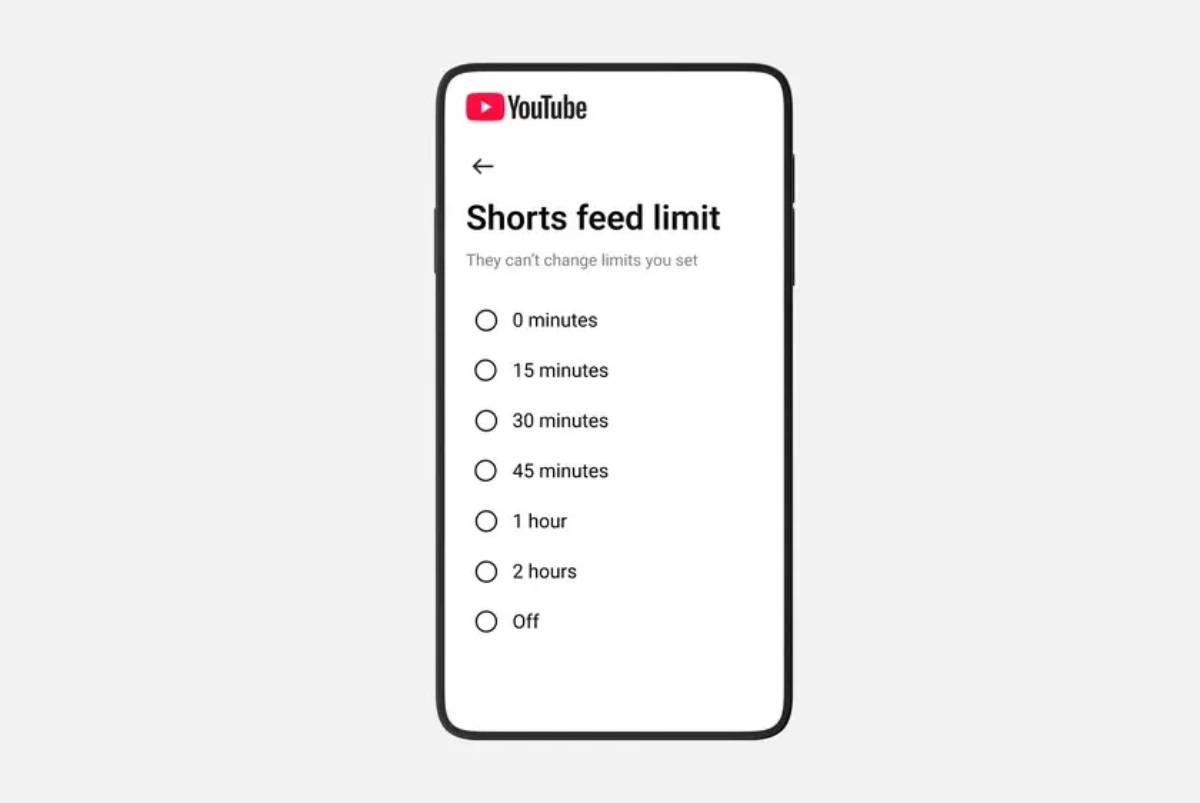
YouTube has rolled out a feature enabling users to reduce or eliminate Shorts content from their viewing feed, offering greater customization of the platform experience. The feature allows users to set Shorts exposure to zero minutes, effectively limiting algorithm-driven short-form video recommendations.

The update comes amid rising user feedback about content overload and algorithmic saturation. Shorts has been a key growth driver for YouTube, competing directly with TikTok and Instagram Reels in the short-form video market.

The change is being introduced gradually, with platform-wide availability expected following initial testing phases across user segments and regions. Short-form video has become one of the most competitive segments in the digital content ecosystem, with platforms investing heavily in algorithm-driven discovery feeds. YouTube Shorts was launched to counter the rapid growth of TikTok and maintain user engagement within Google’s broader video ecosystem.

However, as short-form content consumption increases, concerns have emerged around user fatigue, reduced attention spans, and algorithmic dominance over personalized viewing experiences. Many users now prefer greater control over content formats rather than passive recommendation systems.

YouTube’s decision reflects a broader industry trend toward personalization controls, where platforms balance engagement optimization with user autonomy. This shift highlights an evolving tension between maximizing watch time and improving user satisfaction across diversified content formats.

Industry analysts view this move as a strategic balancing act between growth and user retention. Shorts has been instrumental in increasing daily engagement metrics, but excessive feed dominance risks alienating users seeking long-form or intentional viewing experiences.

Digital media strategists suggest that offering control over Shorts exposure could improve long-term platform loyalty, particularly among users who prefer curated or educational content over rapid-fire video streams.

At the same time, experts caution that reducing Shorts visibility may impact algorithmic learning signals and advertising inventory tied to short-form engagement. The challenge for YouTube will be maintaining monetization efficiency while accommodating increasing demand for customization and content diversity.

For content creators, the change could influence discoverability patterns, particularly for those reliant on Shorts for rapid audience growth. Long-form content may regain relative prominence in user feeds depending on adoption rates.

For advertisers, shifts in Shorts consumption could affect ad placement strategies and engagement metrics tied to short-form video formats. Platforms may need to rebalance monetization models across content types.

For the broader digital ecosystem, this reflects increasing pressure on tech platforms to provide user-controlled algorithmic experiences, potentially influencing future regulatory expectations around transparency and personalization controls.

YouTube is expected to monitor user engagement closely to determine whether Shorts deactivation impacts overall platform retention. Future updates may include more granular content controls or hybrid feed models combining short- and long-form preferences. The broader industry trend points toward customizable algorithmic experiences, where user control becomes a key competitive differentiator in digital media platforms.

Source: The Verge
Date: April 16, 2026

  • Featured tools
Hostinger Website Builder
Paid

Hostinger Website Builder is a drag-and-drop website creator bundled with hosting and AI-powered tools, designed for businesses, blogs and small shops with minimal technical effort.It makes launching a site fast and affordable, with templates, responsive design and built-in hosting all in one.

#
Productivity
#
Startup Tools
#
Ecommerce
Learn more
Beautiful AI
Free

Beautiful AI is an AI-powered presentation platform that automates slide design and formatting, enabling users to create polished, on-brand presentations quickly.

#
Presentation
Learn more

Learn more about future of AI

Join 80,000+ Ai enthusiast getting weekly updates on exciting AI tools.
Thank you! Your submission has been received!
Oops! Something went wrong while submitting the form.

YouTube Adds Shorts Removal Option

April 16, 2026

YouTube has rolled out a feature enabling users to reduce or eliminate Shorts content from their viewing feed, offering greater customization of the platform experience.

Image Source: YouTube

A major development unfolded as YouTube introduced a new option allowing users to turn off Shorts in their feed experience. The move reflects growing user demand for content control and signals a strategic recalibration in short-form video distribution, with implications for platform engagement, creator ecosystems, and digital advertising models.

YouTube has rolled out a feature enabling users to reduce or eliminate Shorts content from their viewing feed, offering greater customization of the platform experience. The feature allows users to set Shorts exposure to zero minutes, effectively limiting algorithm-driven short-form video recommendations.

The update comes amid rising user feedback about content overload and algorithmic saturation. Shorts has been a key growth driver for YouTube, competing directly with TikTok and Instagram Reels in the short-form video market.

The change is being introduced gradually, with platform-wide availability expected following initial testing phases across user segments and regions. Short-form video has become one of the most competitive segments in the digital content ecosystem, with platforms investing heavily in algorithm-driven discovery feeds. YouTube Shorts was launched to counter the rapid growth of TikTok and maintain user engagement within Google’s broader video ecosystem.

However, as short-form content consumption increases, concerns have emerged around user fatigue, reduced attention spans, and algorithmic dominance over personalized viewing experiences. Many users now prefer greater control over content formats rather than passive recommendation systems.

YouTube’s decision reflects a broader industry trend toward personalization controls, where platforms balance engagement optimization with user autonomy. This shift highlights an evolving tension between maximizing watch time and improving user satisfaction across diversified content formats.

Industry analysts view this move as a strategic balancing act between growth and user retention. Shorts has been instrumental in increasing daily engagement metrics, but excessive feed dominance risks alienating users seeking long-form or intentional viewing experiences.

Digital media strategists suggest that offering control over Shorts exposure could improve long-term platform loyalty, particularly among users who prefer curated or educational content over rapid-fire video streams.

At the same time, experts caution that reducing Shorts visibility may impact algorithmic learning signals and advertising inventory tied to short-form engagement. The challenge for YouTube will be maintaining monetization efficiency while accommodating increasing demand for customization and content diversity.

For content creators, the change could influence discoverability patterns, particularly for those reliant on Shorts for rapid audience growth. Long-form content may regain relative prominence in user feeds depending on adoption rates.

For advertisers, shifts in Shorts consumption could affect ad placement strategies and engagement metrics tied to short-form video formats. Platforms may need to rebalance monetization models across content types.

For the broader digital ecosystem, this reflects increasing pressure on tech platforms to provide user-controlled algorithmic experiences, potentially influencing future regulatory expectations around transparency and personalization controls.

YouTube is expected to monitor user engagement closely to determine whether Shorts deactivation impacts overall platform retention. Future updates may include more granular content controls or hybrid feed models combining short- and long-form preferences. The broader industry trend points toward customizable algorithmic experiences, where user control becomes a key competitive differentiator in digital media platforms.

Source: The Verge
Date: April 16, 2026

Promote Your Tool

Copy Embed Code

Similar Blogs

April 16, 2026
|

Windows Backup Tools Gain Cyber Focus

Windows provides two primary built-in tools for data backup: File History and Windows Backup. File History enables continuous backup of personal files such as documents.
Read more
April 16, 2026
|

Grubby AI Humanization Tools Enter Authenticity Debate

Grubby AI positions itself as an undetectable AI humanizer, designed to transform machine-generated text into outputs that evade AI detection systems.
Read more
April 16, 2026
|

Gladstone AI Targets Enterprise AI Systems

Gladstone AI operates as an AI-focused entity positioning its technology around applied intelligence solutions rather than general-purpose consumer tools.
Read more
April 16, 2026
|

YouTube Adds Shorts Removal Option

YouTube has rolled out a feature enabling users to reduce or eliminate Shorts content from their viewing feed, offering greater customization of the platform experience.
Read more
April 16, 2026
|

Smartphones Advance in Optical Zoom Era

The latest hands-on analysis of advanced smartphone camera systems underscores increasing emphasis on telephoto optics as a core feature rather than a premium add-on.
Read more
April 16, 2026
|

Google Expands Windows Desktop Search

Google has rolled out its desktop search application for Windows to a broader user base, enabling quick access to apps, files, web results, and AI-powered suggestions through a unified search interface.
Read more