
Adobe Embeds AI Assistants Across Tools

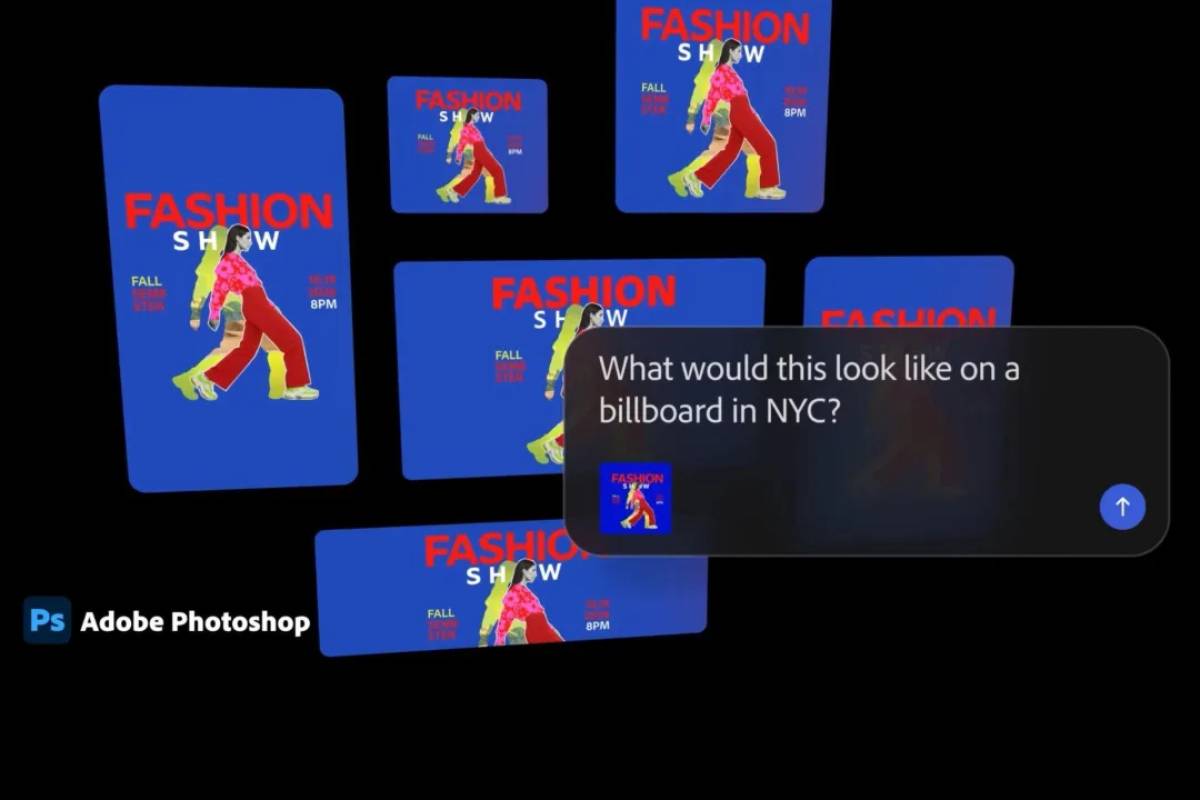
Adobe is positioning these assistants as task-oriented agents capable of handling repetitive editing workflows such as object removal.

June 19, 2026
|
Image Source: The Verge

A major shift in creative software unfolded as Adobe introduced AI-powered assistants across flagship tools including Adobe Photoshop and Adobe Premiere Pro. The rollout signals a deeper integration of generative automation into professional creative workflows, impacting designers, video editors, and enterprise media production pipelines worldwide.

The new AI assistants are being introduced across Adobe Photoshop, Adobe Premiere Pro, and Adobe Illustrator in beta form. Adobe is positioning these assistants as task-oriented agents capable of handling repetitive editing workflows such as object removal, scene adjustments, timeline structuring, and design suggestions. The feature set is designed to reduce manual intervention while maintaining professional-grade creative control.

The rollout reflects Adobe’s broader strategy to transition its Creative Cloud suite from static tools into AI-assisted production environments, with enterprise and subscription users among the first to gain access.

The creative software industry has been rapidly evolving under pressure from generative AI tools that automate traditionally manual design and editing tasks. Platforms like Adobe Photoshop and Adobe Premiere Pro have long dominated professional workflows, but face growing disruption from AI-native competitors.

Adobe has responded by embedding AI capabilities directly into its core applications rather than treating them as external add-ons. This includes integrating assistant-driven workflows that understand user intent, project structure, and contextual editing needs.

The move aligns with a broader industry transition toward “agentic software,” where tools not only execute commands but also suggest, automate, and optimize creative decisions. For enterprise customers, this shift is particularly significant as it reduces production cycles and increases content scalability.

Industry analysts view Adobe’s AI assistant rollout as a competitive necessity rather than an optional upgrade, given the rapid adoption of generative tools across creative sectors. The integration into established platforms like Adobe Photoshop and Adobe Premiere Pro is seen as a defensive and offensive strategy simultaneously.

Experts in creative technology note that assistant-based workflows could significantly reduce friction in production environments, particularly for agencies managing high-volume content across digital channels. However, they also warn that increased automation may reshape job roles, shifting creative professionals toward supervision and direction rather than execution.

Adobe has emphasized that these assistants are designed to enhance not replace creative control, though analysts suggest the long-term trajectory points toward increasingly autonomous content generation systems embedded within Creative Cloud.

For enterprises, AI assistants embedded in tools like Adobe Photoshop and Adobe Premiere Pro could significantly reduce production timelines and lower operational costs in marketing and media teams.

For investors, the move strengthens Adobe’s positioning in the enterprise AI software market, reinforcing subscription-based revenue models tied to productivity gains.

At the policy level, increased automation raises questions about creative labor displacement and intellectual property attribution in AI-assisted workflows. Companies may need to establish clearer governance frameworks for AI-generated content, especially in regulated industries such as advertising and media.

Future updates are expected to deepen assistant capabilities across Creative Cloud, potentially enabling cross-application workflows between design, video, and illustration tools. Adobe is likely to expand autonomy levels gradually while refining user control mechanisms. The key challenge will be balancing automation with professional creative oversight as AI becomes more embedded in production pipelines. Adoption speed will depend on trust, performance reliability, and enterprise readiness.

Source: The Verge
Date: June 19, 2026

  • Featured tools
Tome AI
Free

Tome AI is an AI-powered storytelling and presentation tool designed to help users create compelling narratives and presentations quickly and efficiently. It leverages advanced AI technologies to generate content, images, and animations based on user input.

#
Presentation
#
Startup Tools
Learn more
Kreateable AI
Free

Kreateable AI is a white-label, AI-driven design platform that enables logo generation, social media posts, ads, and more for businesses, agencies, and service providers.

#
Logo Generator
Learn more

Learn more about future of AI

Join 80,000+ Ai enthusiast getting weekly updates on exciting AI tools.
Thank you! Your submission has been received!
Oops! Something went wrong while submitting the form.

Adobe Embeds AI Assistants Across Tools

June 19, 2026

Adobe is positioning these assistants as task-oriented agents capable of handling repetitive editing workflows such as object removal.

Image Source: The Verge

A major shift in creative software unfolded as Adobe introduced AI-powered assistants across flagship tools including Adobe Photoshop and Adobe Premiere Pro. The rollout signals a deeper integration of generative automation into professional creative workflows, impacting designers, video editors, and enterprise media production pipelines worldwide.

The new AI assistants are being introduced across Adobe Photoshop, Adobe Premiere Pro, and Adobe Illustrator in beta form. Adobe is positioning these assistants as task-oriented agents capable of handling repetitive editing workflows such as object removal, scene adjustments, timeline structuring, and design suggestions. The feature set is designed to reduce manual intervention while maintaining professional-grade creative control.

The rollout reflects Adobe’s broader strategy to transition its Creative Cloud suite from static tools into AI-assisted production environments, with enterprise and subscription users among the first to gain access.

The creative software industry has been rapidly evolving under pressure from generative AI tools that automate traditionally manual design and editing tasks. Platforms like Adobe Photoshop and Adobe Premiere Pro have long dominated professional workflows, but face growing disruption from AI-native competitors.

Adobe has responded by embedding AI capabilities directly into its core applications rather than treating them as external add-ons. This includes integrating assistant-driven workflows that understand user intent, project structure, and contextual editing needs.

The move aligns with a broader industry transition toward “agentic software,” where tools not only execute commands but also suggest, automate, and optimize creative decisions. For enterprise customers, this shift is particularly significant as it reduces production cycles and increases content scalability.

Industry analysts view Adobe’s AI assistant rollout as a competitive necessity rather than an optional upgrade, given the rapid adoption of generative tools across creative sectors. The integration into established platforms like Adobe Photoshop and Adobe Premiere Pro is seen as a defensive and offensive strategy simultaneously.

Experts in creative technology note that assistant-based workflows could significantly reduce friction in production environments, particularly for agencies managing high-volume content across digital channels. However, they also warn that increased automation may reshape job roles, shifting creative professionals toward supervision and direction rather than execution.

Adobe has emphasized that these assistants are designed to enhance not replace creative control, though analysts suggest the long-term trajectory points toward increasingly autonomous content generation systems embedded within Creative Cloud.

For enterprises, AI assistants embedded in tools like Adobe Photoshop and Adobe Premiere Pro could significantly reduce production timelines and lower operational costs in marketing and media teams.

For investors, the move strengthens Adobe’s positioning in the enterprise AI software market, reinforcing subscription-based revenue models tied to productivity gains.

At the policy level, increased automation raises questions about creative labor displacement and intellectual property attribution in AI-assisted workflows. Companies may need to establish clearer governance frameworks for AI-generated content, especially in regulated industries such as advertising and media.

Future updates are expected to deepen assistant capabilities across Creative Cloud, potentially enabling cross-application workflows between design, video, and illustration tools. Adobe is likely to expand autonomy levels gradually while refining user control mechanisms. The key challenge will be balancing automation with professional creative oversight as AI becomes more embedded in production pipelines. Adoption speed will depend on trust, performance reliability, and enterprise readiness.

Source: The Verge
Date: June 19, 2026

Promote Your Tool

Copy Embed Code

Similar Blogs

June 19, 2026
|

Apple iPhone Camera Controls Expand AI

The report outlines how users can modify or disable AI-assisted camera functions on Apple iPhone devices, particularly features that influence image processing and computational enhancements.
Read more
June 19, 2026
|

Samsung Expands Galaxy AI Controls Push

The guide details how users can adjust or disable AI-driven features on Samsung Galaxy smartphones, including tools integrated into Samsung Galaxy smartphones.
Read more
June 19, 2026
|

Google Expands Smart Home Ecosystem

The latest compilation of Google voice commands focuses on how users can interact with Google Assistant and connected smart home systems. Commands span entertainment, home automation, productivity, navigation.
Read more
June 19, 2026
|

AI Dating Apps Face User Backlash

Survey data indicates that while adoption of AI-based dating assistants and companion tools is increasing, user sentiment is becoming increasingly polarized.
Read more
June 19, 2026
|

Apple Signals Price Hikes Amid Cost Pressures

Apple CEO Tim Cook indicated that escalating costs tied to components such as memory, advanced processors, and logistics are becoming structurally embedded across the company’s manufacturing pipeline.
Read more
June 19, 2026
|

Adobe Embeds AI Assistants Across Tools

Adobe is positioning these assistants as task-oriented agents capable of handling repetitive editing workflows such as object removal.
Read more