



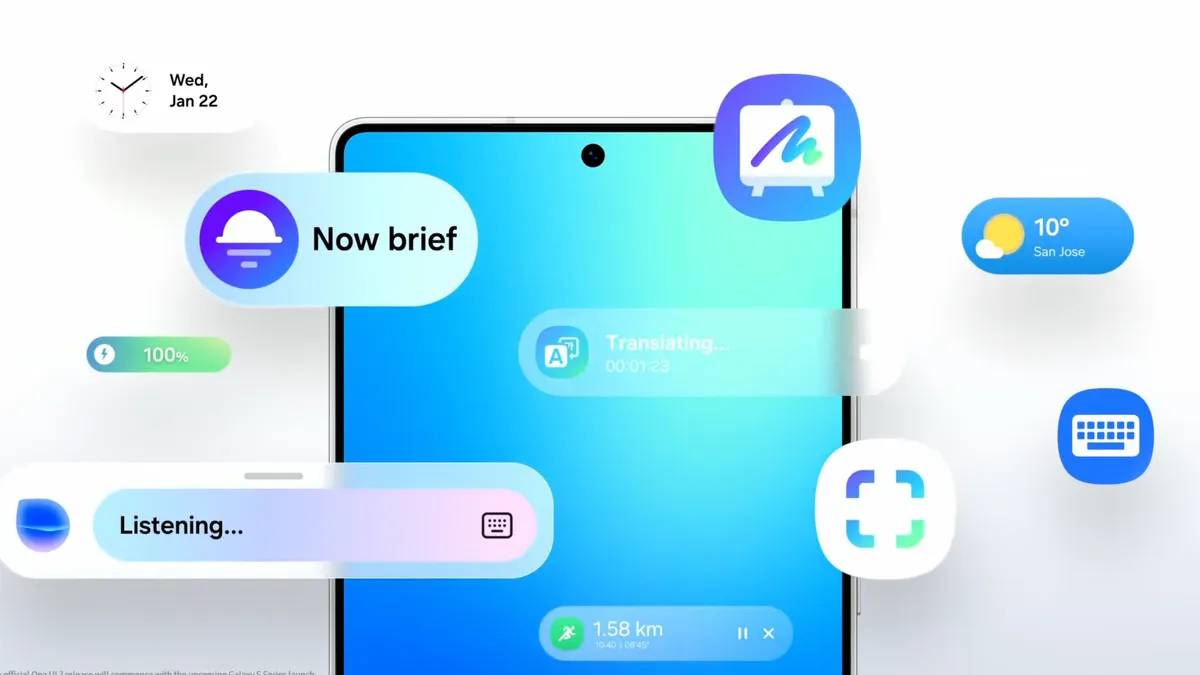
A growing focus on user control over AI features in smartphones highlights how mobile ecosystems are evolving toward configurable intelligence. Guidance on managing or disabling AI functions on Samsung Galaxy devices reflects rising consumer demand for transparency, customization, and control, as artificial intelligence becomes increasingly embedded in everyday mobile experiences worldwide.
The guide details how users can adjust or disable AI-driven features on Samsung Galaxy smartphones, including tools integrated into Samsung Galaxy smartphones. These features span system-level intelligence, predictive text, camera enhancements, and contextual automation.
The AI capabilities are part of broader innovation efforts by Samsung Electronics, which has been embedding generative and machine-learning tools across its mobile ecosystem.
The instructions reflect a growing emphasis on user agency, allowing individuals to decide how much AI interaction they want in their devices. This shift comes as mobile operating systems increasingly integrate generative AI tools by default.
The smartphone industry is undergoing a rapid transformation driven by generative AI integration. Devices are no longer passive tools but increasingly act as intelligent assistants capable of anticipating user behavior, generating content, and optimizing system performance.
Samsung’s AI rollout is part of a wider industry trend where manufacturers integrate machine learning directly into operating systems. While these features enhance convenience and productivity, they also raise concerns about data privacy, system transparency, and user autonomy.
Historically, smartphone evolution focused on hardware improvements and app ecosystems. The current phase represents a shift toward software intelligence embedded at the core of device functionality.
As AI capabilities become default features, users are increasingly seeking methods to control or limit automation. This reflects a broader global debate on balancing innovation with digital rights and consumer control in AI-powered environments.
Technology analysts suggest that smartphone manufacturers are entering a phase where AI integration must be balanced with user consent and configurability. Experts argue that while AI enhances personalization and efficiency, uncontrolled deployment may lead to user discomfort and regulatory scrutiny.
Industry observers note that Samsung’s approach reflects a hybrid strategy offering advanced AI features while maintaining user-level controls to enable opt-in or opt-out functionality.
Although official statements from Samsung emphasize improved user experience and productivity gains, analysts interpret these controls as a response to growing global scrutiny over data usage and algorithmic transparency.
Privacy advocates highlight that giving users the ability to disable AI features is critical in maintaining trust, especially as mobile devices become central hubs for communication, finance, and personal data management.
For businesses, the increasing demand for AI configurability signals a need to design systems that are both intelligent and user-governed. Smartphone makers may need to adopt modular AI frameworks that allow granular control over features.
For investors and industry stakeholders, this trend reflects a maturing AI market where adoption is no longer driven solely by innovation but also by trust and compliance.
From a policy standpoint, regulators are increasingly focused on transparency, consent, and data governance in AI systems. The ability to disable or manage AI features may become a baseline requirement in future digital regulations.
For consumers, this shift enhances autonomy but also introduces complexity in managing device intelligence. Future smartphone ecosystems are expected to move toward more transparent and customizable AI architectures, where users can define the extent of automation. Industry competition will likely center on balancing intelligence with control.
Decision-makers should watch for regulatory developments around AI transparency and consumer rights. As AI becomes foundational to mobile computing, user trust will determine long-term adoption and platform loyalty.
Source: Cnet
Date: June 19, 2026


