
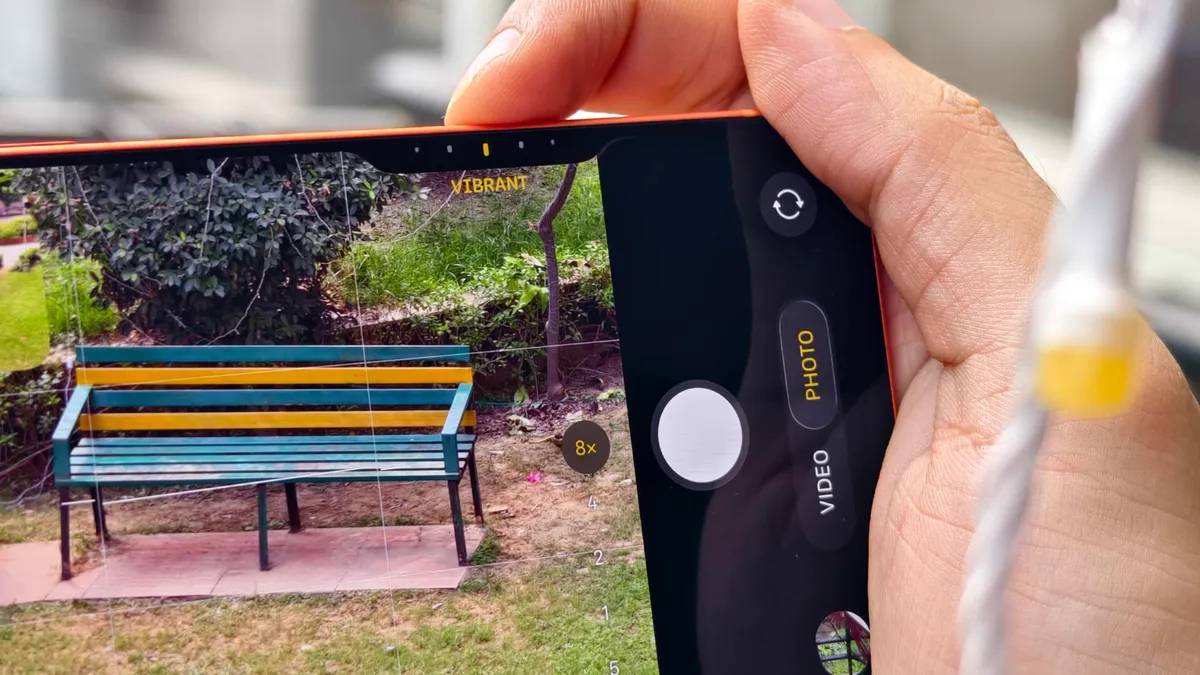
Apple iPhone Camera Controls Expand AI

The report outlines how users can modify or disable AI-assisted camera functions on Apple iPhone devices, particularly features that influence image processing and computational enhancements.

June 19, 2026
|
Image Source: Cnet

A growing focus on user-controlled smartphone intelligence has emerged as consumers explore hidden settings that reduce AI-driven camera processing. The latest guidance on adjusting iPhone camera features highlights a broader shift in digital behavior, where users are seeking greater control over automated image enhancement and computational photography systems embedded in mobile devices.

The report outlines how users can modify or disable AI-assisted camera functions on Apple iPhone devices, particularly features that influence image processing and computational enhancements. These tools are part of the broader ecosystem developed by Apple Inc., which integrates machine learning into photography, editing, and user experience layers.

The focus is on reducing AI-generated adjustments such as automated scene optimization and image commentary features. The development reflects a growing user preference for manual control over algorithmically enhanced outputs, particularly in mobile photography environments where AI increasingly shapes visual results by default.

Smartphone photography has undergone a structural transformation over the past decade, shifting from hardware-centric improvements to software-driven image processing. Computational photography, powered by artificial intelligence, now defines how modern smartphones capture, enhance, and render images.

Apple’s integration of AI-based camera systems is part of a broader industry trend where machine learning algorithms adjust exposure, color balance, and scene recognition in real time. While these features improve convenience and image quality, they also reduce user control over final outputs.

This shift aligns with a larger technological transition toward automated content generation across consumer devices. However, growing segments of users are increasingly questioning the lack of transparency in AI-driven modifications.

Historically, photography was a fully manual process, but modern smartphones now act as interpretive systems, making decisions on behalf of users. The ability to disable or adjust these features reflects an emerging demand for digital autonomy within AI-augmented environments.

Industry analysts argue that the rise of computational photography represents one of the most significant transformations in consumer imaging technology. While AI enhances consistency and quality, experts note that it also reduces user agency over creative decisions.

Technology commentators suggest that Apple’s approach reflects a balance between automation and user control, allowing advanced processing by default while still offering configuration options for experienced users.

Although Apple Inc. has not framed these settings as “AI controls” explicitly, analysts interpret such features as part of a broader machine learning strategy embedded across its ecosystem.

Photography professionals highlight that disabling AI enhancements can appeal to users seeking authenticity in image capture. Meanwhile, privacy and transparency advocates emphasize the importance of clear user awareness regarding when and how AI modifies visual content.

For technology companies, the increasing demand for control over AI-driven imaging signals a need to balance automation with transparency. Smartphone manufacturers may need to provide more granular settings for computational features to maintain user trust.

For businesses in the digital content and photography ecosystem, this trend may influence product design and editing software integration strategies. Investors are also closely watching consumer sentiment toward AI-generated outputs, particularly in creative industries.

From a policy perspective, regulators may eventually examine disclosure requirements for AI-altered media. The ability to distinguish between original and AI-enhanced content could become a key issue in digital transparency frameworks.

The smartphone industry is expected to continue advancing AI-powered imaging, but with increasing emphasis on user configurability. Future devices may offer clearer distinctions between automated and manual modes, allowing users to define the level of computational enhancement.

Decision-makers should monitor evolving consumer expectations around authenticity, transparency, and control. As AI becomes more embedded in visual creation, trust will emerge as a defining competitive factor.

Source: Cnet
Date: June 19, 2026

  • Featured tools
Wonder AI
Free

Wonder AI is a versatile AI-powered creative platform that generates text, images, and audio with minimal input, designed for fast storytelling, visual creation, and audio content generation

#
Art Generator
Learn more
Figstack AI
Free

Figstack AI is an intelligent assistant for developers that explains code, generates docstrings, converts code between languages, and analyzes time complexity helping you work smarter, not harder.

#
Coding
Learn more

Learn more about future of AI

Join 80,000+ Ai enthusiast getting weekly updates on exciting AI tools.
Thank you! Your submission has been received!
Oops! Something went wrong while submitting the form.

Apple iPhone Camera Controls Expand AI

June 19, 2026

The report outlines how users can modify or disable AI-assisted camera functions on Apple iPhone devices, particularly features that influence image processing and computational enhancements.

Image Source: Cnet

A growing focus on user-controlled smartphone intelligence has emerged as consumers explore hidden settings that reduce AI-driven camera processing. The latest guidance on adjusting iPhone camera features highlights a broader shift in digital behavior, where users are seeking greater control over automated image enhancement and computational photography systems embedded in mobile devices.

The report outlines how users can modify or disable AI-assisted camera functions on Apple iPhone devices, particularly features that influence image processing and computational enhancements. These tools are part of the broader ecosystem developed by Apple Inc., which integrates machine learning into photography, editing, and user experience layers.

The focus is on reducing AI-generated adjustments such as automated scene optimization and image commentary features. The development reflects a growing user preference for manual control over algorithmically enhanced outputs, particularly in mobile photography environments where AI increasingly shapes visual results by default.

Smartphone photography has undergone a structural transformation over the past decade, shifting from hardware-centric improvements to software-driven image processing. Computational photography, powered by artificial intelligence, now defines how modern smartphones capture, enhance, and render images.

Apple’s integration of AI-based camera systems is part of a broader industry trend where machine learning algorithms adjust exposure, color balance, and scene recognition in real time. While these features improve convenience and image quality, they also reduce user control over final outputs.

This shift aligns with a larger technological transition toward automated content generation across consumer devices. However, growing segments of users are increasingly questioning the lack of transparency in AI-driven modifications.

Historically, photography was a fully manual process, but modern smartphones now act as interpretive systems, making decisions on behalf of users. The ability to disable or adjust these features reflects an emerging demand for digital autonomy within AI-augmented environments.

Industry analysts argue that the rise of computational photography represents one of the most significant transformations in consumer imaging technology. While AI enhances consistency and quality, experts note that it also reduces user agency over creative decisions.

Technology commentators suggest that Apple’s approach reflects a balance between automation and user control, allowing advanced processing by default while still offering configuration options for experienced users.

Although Apple Inc. has not framed these settings as “AI controls” explicitly, analysts interpret such features as part of a broader machine learning strategy embedded across its ecosystem.

Photography professionals highlight that disabling AI enhancements can appeal to users seeking authenticity in image capture. Meanwhile, privacy and transparency advocates emphasize the importance of clear user awareness regarding when and how AI modifies visual content.

For technology companies, the increasing demand for control over AI-driven imaging signals a need to balance automation with transparency. Smartphone manufacturers may need to provide more granular settings for computational features to maintain user trust.

For businesses in the digital content and photography ecosystem, this trend may influence product design and editing software integration strategies. Investors are also closely watching consumer sentiment toward AI-generated outputs, particularly in creative industries.

From a policy perspective, regulators may eventually examine disclosure requirements for AI-altered media. The ability to distinguish between original and AI-enhanced content could become a key issue in digital transparency frameworks.

The smartphone industry is expected to continue advancing AI-powered imaging, but with increasing emphasis on user configurability. Future devices may offer clearer distinctions between automated and manual modes, allowing users to define the level of computational enhancement.

Decision-makers should monitor evolving consumer expectations around authenticity, transparency, and control. As AI becomes more embedded in visual creation, trust will emerge as a defining competitive factor.

Source: Cnet
Date: June 19, 2026

Promote Your Tool

Copy Embed Code

Similar Blogs

June 19, 2026
|

Apple iPhone Camera Controls Expand AI

The report outlines how users can modify or disable AI-assisted camera functions on Apple iPhone devices, particularly features that influence image processing and computational enhancements.
Read more
June 19, 2026
|

Samsung Expands Galaxy AI Controls Push

The guide details how users can adjust or disable AI-driven features on Samsung Galaxy smartphones, including tools integrated into Samsung Galaxy smartphones.
Read more
June 19, 2026
|

Google Expands Smart Home Ecosystem

The latest compilation of Google voice commands focuses on how users can interact with Google Assistant and connected smart home systems. Commands span entertainment, home automation, productivity, navigation.
Read more
June 19, 2026
|

AI Dating Apps Face User Backlash

Survey data indicates that while adoption of AI-based dating assistants and companion tools is increasing, user sentiment is becoming increasingly polarized.
Read more
June 19, 2026
|

Apple Signals Price Hikes Amid Cost Pressures

Apple CEO Tim Cook indicated that escalating costs tied to components such as memory, advanced processors, and logistics are becoming structurally embedded across the company’s manufacturing pipeline.
Read more
June 19, 2026
|

Adobe Embeds AI Assistants Across Tools

Adobe is positioning these assistants as task-oriented agents capable of handling repetitive editing workflows such as object removal.
Read more