



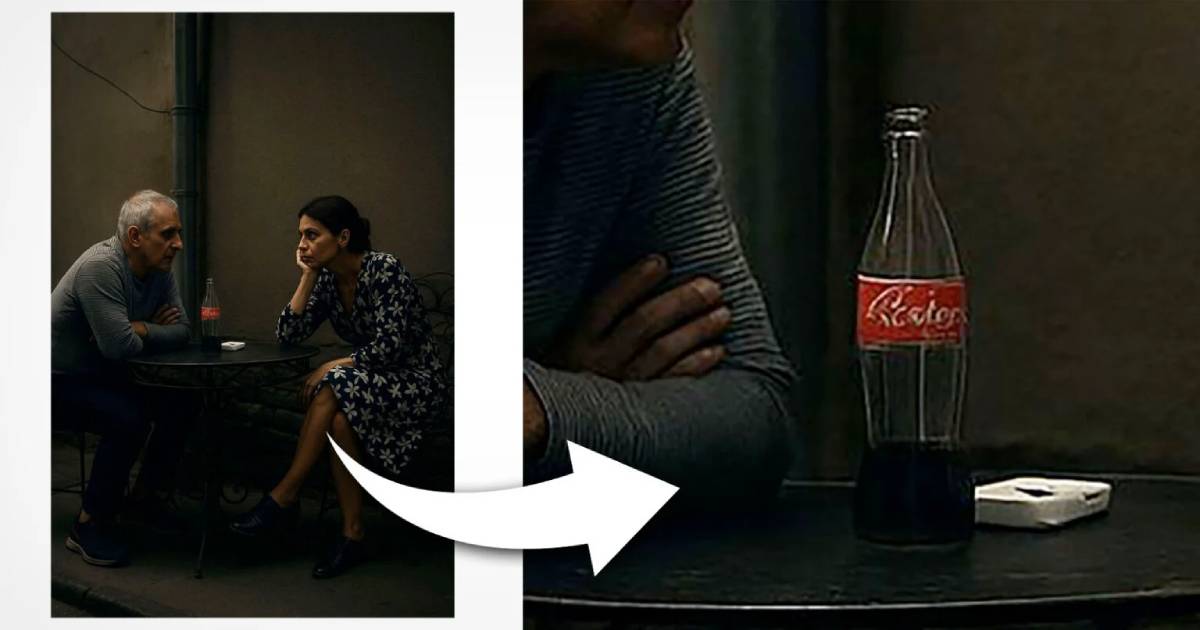
A new controversy surrounding artificial intelligence and creative authenticity has emerged after an AI-generated image was reportedly disqualified from the prestigious Hasselblad Masters 2026 competition. The incident highlights growing tensions between technological innovation and traditional artistic standards, with implications for media integrity, copyright frameworks, and the future of professional creative industries.
Organizers of the Hasselblad Masters 2026 photography competition reportedly disqualified an image after determining it had been generated using artificial intelligence rather than captured through traditional photographic methods. The case quickly drew attention across photography and creative communities, reigniting debate over transparency and disclosure standards in AI-assisted content creation.
The controversy reflects broader concerns within the visual arts industry regarding the rapid advancement of generative AI tools capable of producing highly realistic imagery. As AI-generated visuals become increasingly sophisticated, professional competitions, publishers, and creative institutions are facing mounting pressure to establish clearer definitions of authenticity, originality, and acceptable use of machine-generated content.
The disqualification comes amid escalating global debate over how artificial intelligence is transforming creative industries. Generative AI systems are now capable of producing realistic photographs, artwork, music, and written content at scale, challenging long-standing assumptions about authorship and originality.
The Hasselblad Masters competition is widely regarded as one of the most prestigious platforms in professional photography. Its decision to remove an AI-generated submission reflects a growing effort among creative institutions to preserve distinctions between traditional human-created work and machine-generated imagery.
Historically, technological innovation has repeatedly disrupted artistic fields from digital photography to CGI and image editing software. However, generative AI introduces a fundamentally different challenge because it can synthesize entirely new visual content without relying on direct photographic capture, raising complex ethical, legal, and commercial questions.
Industry analysts argue that the controversy illustrates how quickly generative AI is blurring the boundaries between authentic documentation and synthetic media. Photography professionals warn that the inability to distinguish AI-generated visuals from real images could undermine trust in journalism, advertising, and documentary storytelling.
Creative industry experts note that organizations and competitions are increasingly adopting stricter disclosure requirements to preserve credibility and protect professional standards. At the same time, some technologists argue that AI-assisted creativity represents a legitimate new artistic medium rather than a threat to traditional practices.
Legal analysts also emphasize that unresolved copyright and intellectual property issues remain a major concern. Questions surrounding ownership, training data, and attribution continue to create uncertainty for creators, publishers, and commercial content platforms operating in rapidly evolving AI ecosystems.
For businesses in media, advertising, and entertainment, the incident highlights the growing need for transparency standards and AI-content verification systems. Companies relying on digital imagery may increasingly adopt authentication tools to preserve audience trust and regulatory compliance.
For creative professionals, the controversy reinforces concerns about market disruption, intellectual property protection, and the long-term economic impact of generative AI on visual industries.
For policymakers, the case adds urgency to discussions surrounding AI labeling requirements, copyright reform, and synthetic media governance. Analysts warn that governments may face increasing pressure to develop frameworks addressing authenticity and accountability in AI-generated content.
Looking ahead, disputes over AI-generated creative work are expected to intensify as synthetic media tools become more advanced and accessible. Decision-makers across media, publishing, and entertainment sectors will closely monitor how institutions define authenticity standards and disclosure rules. The broader challenge will be balancing innovation with public trust, while ensuring that creative ecosystems can adapt to rapidly evolving AI-driven production models.
Source: PetaPixel Report
Date: May 18, 2026


