
Big Tech Accelerates AI Coding Race

Microsoft and Google are expanding their focus on AI coding models and developer tools, aiming to strengthen their position in a market increasingly dominated by AI-native firms such as OpenAI and Anthropic.

June 2, 2026
|
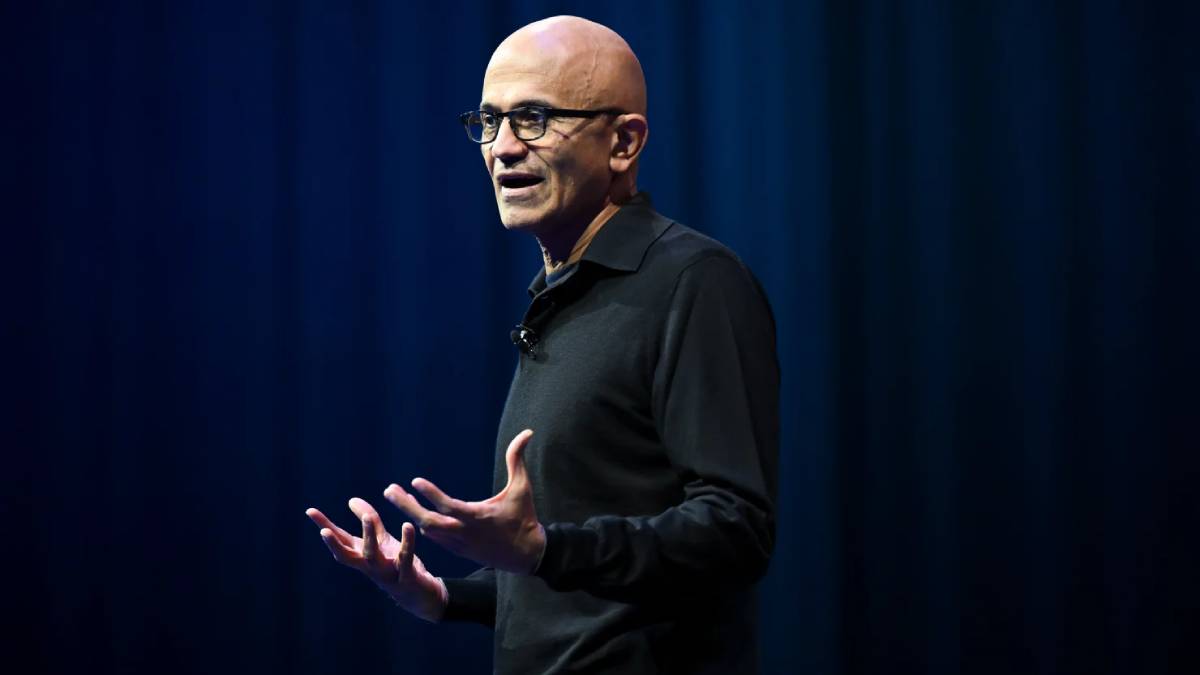
Microsoft CEO Satya Nadella speaks on stage during the Microsoft AI Tour in Munich

A major shift is underway in the artificial intelligence coding landscape as Microsoft and Google intensify efforts to compete in AI-powered software development, despite being perceived as late entrants compared to rivals like OpenAI and Anthropic. The move highlights the strategic importance of AI coding tools in shaping enterprise software markets, developer ecosystems, and long-term cloud growth trajectories.

Microsoft and Google are expanding their focus on AI coding models and developer tools, aiming to strengthen their position in a market increasingly dominated by AI-native firms such as OpenAI and Anthropic.

Both companies are integrating advanced AI capabilities into their cloud and development platforms, targeting enterprise developers with tools that assist in code generation, debugging, software optimization, and automated development workflows. The initiatives are part of a broader strategy to embed AI across productivity ecosystems and cloud services.

Despite perceptions that they entered the AI coding race later than competitors, industry analysts suggest their scale, infrastructure, and enterprise relationships make their participation critical to market competition and innovation velocity.

The push comes as demand for AI-assisted software development accelerates, with enterprises seeking faster deployment cycles and reduced engineering overhead. The development aligns with a broader trend across global technology markets where AI is rapidly transforming software engineering from a manual process into an AI-augmented discipline.

AI coding assistants have evolved from experimental tools into core components of developer workflows. Platforms like GitHub Copilot and other AI-driven coding environments have demonstrated significant productivity gains, prompting widespread enterprise adoption.

The competitive landscape now includes major AI model providers and hyperscale cloud companies racing to define the standard for AI-native software development. OpenAI and Anthropic have gained early leadership in model capability and developer adoption, while Microsoft and Google are leveraging their cloud ecosystems to integrate AI more deeply into enterprise environments.

This competition reflects a broader strategic shift in the technology industry where control over developer tools increasingly translates into control over entire software ecosystems. Historically, companies that dominated developer platforms such as operating systems and cloud environments have maintained long-term market leadership.

Geopolitically, AI coding tools are also becoming a factor in national competitiveness, as software development efficiency directly impacts economic productivity, defense systems, and digital infrastructure capabilities.

Industry analysts argue that Microsoft and Google’s entry into advanced AI coding is less about timing and more about strategic necessity. While OpenAI and Anthropic may have established early momentum, hyperscalers retain structural advantages through cloud infrastructure, enterprise distribution, and integrated software ecosystems.

Technology experts highlight that AI coding tools are becoming one of the most commercially valuable applications of generative AI, with direct implications for developer productivity and enterprise cost structures. The ability to automate or accelerate software development could reshape hiring patterns and engineering workflows across industries.

Market strategists note that Microsoft’s integration of AI into GitHub and Azure, and Google’s expansion of AI capabilities within its cloud and developer platforms, position both companies to capture enterprise demand at scale.

Analysts also emphasize that competition in AI coding is likely to intensify, with model quality, latency, security, and integration depth emerging as key differentiators. Companies that successfully embed AI into developer ecosystems may gain long-term control over software creation pipelines.

Many experts believe that AI coding tools will eventually become foundational infrastructure rather than optional productivity enhancements. For businesses, the acceleration of AI coding tools represents a significant opportunity to reduce software development costs, shorten product cycles, and improve innovation speed. Enterprises may increasingly adopt AI-assisted development environments as standard practice.

Investors are likely to view the AI coding segment as a high-growth area within the broader artificial intelligence ecosystem, particularly as monetization models become clearer through enterprise subscriptions and cloud integrations.

For developers, the shift may redefine roles, with greater emphasis on system design, oversight, and AI collaboration rather than manual coding alone. This could lead to significant workforce transformation across the software industry.

For policymakers, the increasing reliance on AI-generated code raises questions about security, intellectual property, software reliability, and accountability in critical systems. The next phase of competition will focus on performance benchmarks, enterprise adoption rates, and integration depth within cloud ecosystems. Decision-makers should monitor how quickly AI coding tools transition from productivity enhancers to default development environments.

As Microsoft and Google scale their offerings, the AI coding market is expected to consolidate into a small number of dominant platforms shaping the future of software engineering. The race is no longer about who arrived first but who defines the standard for how software is built in the AI era.

Source: CNBC
Date: June 2, 2026

  • Featured tools
Beautiful AI
Free

Beautiful AI is an AI-powered presentation platform that automates slide design and formatting, enabling users to create polished, on-brand presentations quickly.

#
Presentation
Learn more
WellSaid Ai
Free

WellSaid AI is an advanced text-to-speech platform that transforms written text into lifelike, human-quality voiceovers.

#
Text to Speech
Learn more

Learn more about future of AI

Join 80,000+ Ai enthusiast getting weekly updates on exciting AI tools.
Thank you! Your submission has been received!
Oops! Something went wrong while submitting the form.

Big Tech Accelerates AI Coding Race

June 2, 2026

Microsoft and Google are expanding their focus on AI coding models and developer tools, aiming to strengthen their position in a market increasingly dominated by AI-native firms such as OpenAI and Anthropic.

Microsoft CEO Satya Nadella speaks on stage during the Microsoft AI Tour in Munich

A major shift is underway in the artificial intelligence coding landscape as Microsoft and Google intensify efforts to compete in AI-powered software development, despite being perceived as late entrants compared to rivals like OpenAI and Anthropic. The move highlights the strategic importance of AI coding tools in shaping enterprise software markets, developer ecosystems, and long-term cloud growth trajectories.

Microsoft and Google are expanding their focus on AI coding models and developer tools, aiming to strengthen their position in a market increasingly dominated by AI-native firms such as OpenAI and Anthropic.

Both companies are integrating advanced AI capabilities into their cloud and development platforms, targeting enterprise developers with tools that assist in code generation, debugging, software optimization, and automated development workflows. The initiatives are part of a broader strategy to embed AI across productivity ecosystems and cloud services.

Despite perceptions that they entered the AI coding race later than competitors, industry analysts suggest their scale, infrastructure, and enterprise relationships make their participation critical to market competition and innovation velocity.

The push comes as demand for AI-assisted software development accelerates, with enterprises seeking faster deployment cycles and reduced engineering overhead. The development aligns with a broader trend across global technology markets where AI is rapidly transforming software engineering from a manual process into an AI-augmented discipline.

AI coding assistants have evolved from experimental tools into core components of developer workflows. Platforms like GitHub Copilot and other AI-driven coding environments have demonstrated significant productivity gains, prompting widespread enterprise adoption.

The competitive landscape now includes major AI model providers and hyperscale cloud companies racing to define the standard for AI-native software development. OpenAI and Anthropic have gained early leadership in model capability and developer adoption, while Microsoft and Google are leveraging their cloud ecosystems to integrate AI more deeply into enterprise environments.

This competition reflects a broader strategic shift in the technology industry where control over developer tools increasingly translates into control over entire software ecosystems. Historically, companies that dominated developer platforms such as operating systems and cloud environments have maintained long-term market leadership.

Geopolitically, AI coding tools are also becoming a factor in national competitiveness, as software development efficiency directly impacts economic productivity, defense systems, and digital infrastructure capabilities.

Industry analysts argue that Microsoft and Google’s entry into advanced AI coding is less about timing and more about strategic necessity. While OpenAI and Anthropic may have established early momentum, hyperscalers retain structural advantages through cloud infrastructure, enterprise distribution, and integrated software ecosystems.

Technology experts highlight that AI coding tools are becoming one of the most commercially valuable applications of generative AI, with direct implications for developer productivity and enterprise cost structures. The ability to automate or accelerate software development could reshape hiring patterns and engineering workflows across industries.

Market strategists note that Microsoft’s integration of AI into GitHub and Azure, and Google’s expansion of AI capabilities within its cloud and developer platforms, position both companies to capture enterprise demand at scale.

Analysts also emphasize that competition in AI coding is likely to intensify, with model quality, latency, security, and integration depth emerging as key differentiators. Companies that successfully embed AI into developer ecosystems may gain long-term control over software creation pipelines.

Many experts believe that AI coding tools will eventually become foundational infrastructure rather than optional productivity enhancements. For businesses, the acceleration of AI coding tools represents a significant opportunity to reduce software development costs, shorten product cycles, and improve innovation speed. Enterprises may increasingly adopt AI-assisted development environments as standard practice.

Investors are likely to view the AI coding segment as a high-growth area within the broader artificial intelligence ecosystem, particularly as monetization models become clearer through enterprise subscriptions and cloud integrations.

For developers, the shift may redefine roles, with greater emphasis on system design, oversight, and AI collaboration rather than manual coding alone. This could lead to significant workforce transformation across the software industry.

For policymakers, the increasing reliance on AI-generated code raises questions about security, intellectual property, software reliability, and accountability in critical systems. The next phase of competition will focus on performance benchmarks, enterprise adoption rates, and integration depth within cloud ecosystems. Decision-makers should monitor how quickly AI coding tools transition from productivity enhancers to default development environments.

As Microsoft and Google scale their offerings, the AI coding market is expected to consolidate into a small number of dominant platforms shaping the future of software engineering. The race is no longer about who arrived first but who defines the standard for how software is built in the AI era.

Source: CNBC
Date: June 2, 2026

Promote Your Tool

Copy Embed Code

Similar Blogs

June 2, 2026
|

Global Markets Stabilize Amid AI Optimism

Asian stocks climbed as investors regained confidence in technology-driven growth prospects, particularly within the artificial intelligence sector, which continues to anchor global equity sentiment.
Read more
June 2, 2026
|

Strava Tightens API Controls Amid AI Scraping

Strava has begun tightening restrictions on its API access, citing increased activity from AI-powered applications and scraping tools that place strain on its data infrastructure and user privacy safeguards.
Read more
June 2, 2026
|

Smart Tracking Devices Gain Momentum

Pebblebee’s Halo device has been positioned as a compact Bluetooth-enabled tracker capable of helping users locate personal belongings such as keys, bags, and wallets, while also offering features designed to enhance personal safety.
Read more
June 2, 2026
|

Early Leak Highlights Wearable Secrecy Issues

The upcoming Google Pixel Watch 5 may have been unintentionally revealed through public comments made by Randy Pitchford, sparking speculation about the device’s design and potential features ahead of its official announcement.
Read more
June 2, 2026
|

Florida Lawsuit Escalates OpenAI Safety Pressure

Florida’s legal action targets OpenAI over allegations that ChatGPT may produce misleading, harmful, or unsafe outputs, raising concerns about consumer protection and the responsible deployment of artificial intelligence systems.
Read more
June 2, 2026
|

Microsoft Build 2026 AI Computing Strategy

Microsoft is expected to introduce new AI models alongside a series of improvements to Windows, aimed at strengthening its position in the rapidly evolving AI-driven computing market.
Read more