
Bumble AI Matchmaking Replaces Swipe Model

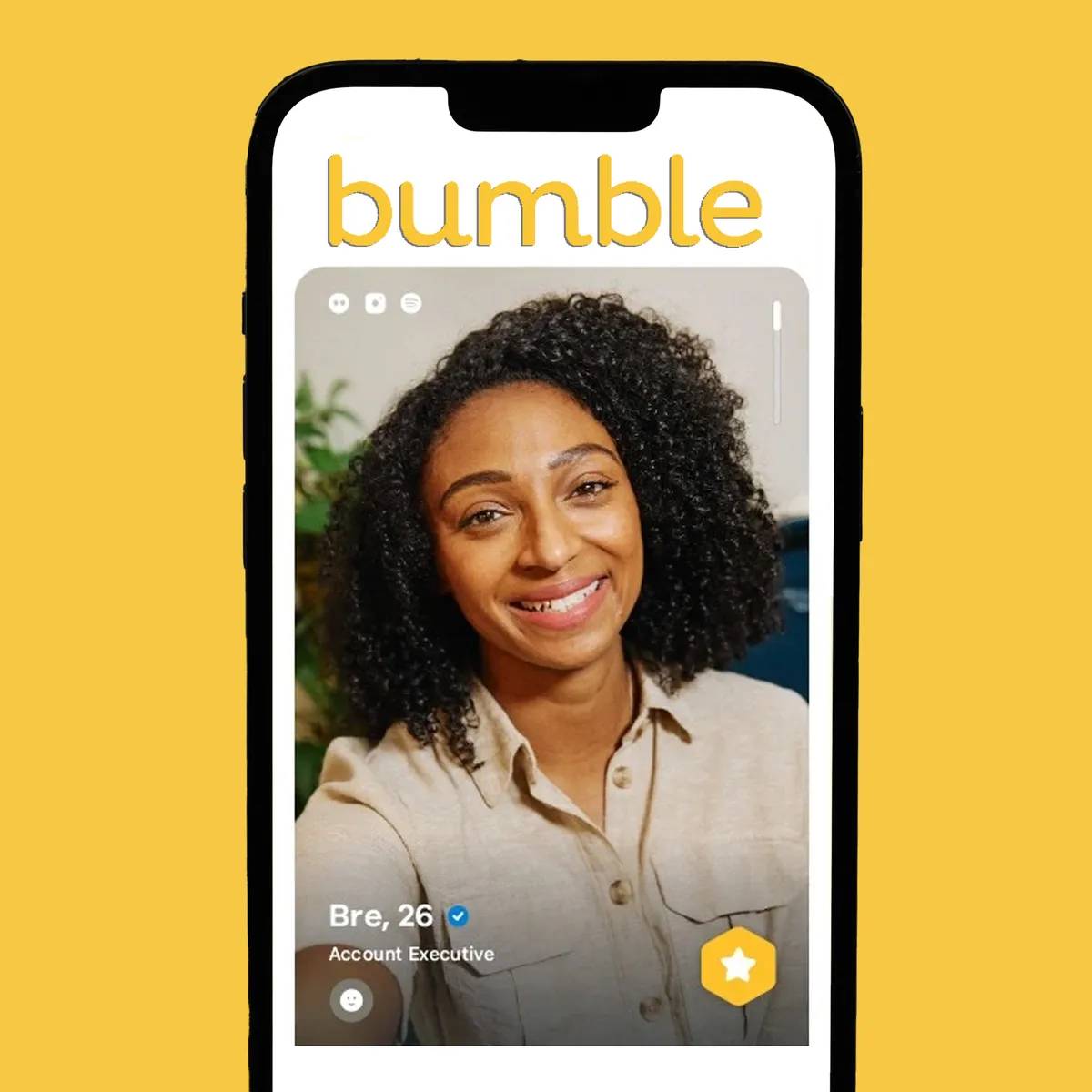
Bumble has announced the removal of its signature swipe feature, replacing it with an artificial intelligence assistant designed to guide and refine user matchmaking.

May 15, 2026
|
Image Source: ABC7 News

A structural shift in the online dating industry is underway as Bumble phases out its traditional swipe-based matching model in favor of an AI-powered matchmaking assistant. The move reflects a broader transition toward algorithm-driven social discovery systems, reshaping user engagement dynamics and competitive positioning in the digital dating market.

Bumble has announced the removal of its signature swipe feature, replacing it with an artificial intelligence assistant designed to guide and refine user matchmaking. The rollout marks one of the most significant product redesigns in the company’s history.

Key stakeholders include platform users, subscription-paying customers, competing dating apps, and AI technology providers powering recommendation systems. The update signals a strategic shift toward conversational and intent-based matching rather than rapid-choice swiping behavior. The timing reflects intensifying competition in the online dating sector, where platforms are increasingly adopting AI to improve retention, personalization, and long-term user engagement metrics.

The online dating industry has been dominated for nearly a decade by swipe-based interfaces pioneered during the mobile app boom. This model prioritized speed and volume over contextual compatibility, shaping user behavior across global platforms.

However, evolving user expectations and fatigue with swipe mechanics have pushed companies to explore more intelligent matchmaking systems. The integration of AI into dating platforms reflects a broader trend across consumer technology, where personalization and predictive algorithms are replacing manual selection interfaces.

Bumble has positioned itself as a relationship-focused platform within a competitive ecosystem that includes multiple global dating services. The shift toward AI-assisted matchmaking aligns with industry-wide experimentation in generative AI, conversational interfaces, and behavioral prediction models aimed at improving match quality and user satisfaction.

Industry analysts suggest that replacing swipe mechanics with AI-driven matchmaking could significantly alter user engagement patterns and retention cycles. Experts note that swipe fatigue has become a measurable challenge across dating platforms, leading to shorter session times and reduced long-term engagement.

Technology strategists highlight that AI assistants can incorporate behavioral signals, preferences, and conversational input to generate more context-aware matches. However, some analysts caution that algorithmic matchmaking increases dependency on opaque recommendation systems, raising questions about transparency and user control.

While Bumble has framed the change as an evolution toward more meaningful connections, industry observers emphasize that success will depend on whether AI-generated matches improve real-world outcomes rather than simply increasing platform interaction metrics.

For the online dating industry, the shift signals a competitive pivot toward AI-first product architectures, potentially redefining how user engagement and monetization are structured. Platforms may increasingly rely on subscription-based AI features rather than traditional swipe-driven engagement loops.

For investors, the transition highlights both opportunity and execution risk, as AI integration becomes a key differentiator in consumer tech valuations.

For regulators, AI-driven matchmaking raises emerging concerns around data usage, algorithmic transparency, and user autonomy. Analysts suggest that consumer digital platforms may face growing scrutiny as AI systems take on a more active role in shaping interpersonal decisions.

The success of AI-led matchmaking will depend on user trust, match quality improvements, and sustained engagement metrics. Other dating platforms are likely to experiment with similar transitions if adoption proves successful. Key uncertainties include user acceptance of non-swipe interfaces and the ability of AI systems to consistently generate meaningful long-term relationships.

Source: ABC7 News
Date: May 2026

  • Featured tools
Figstack AI
Free

Figstack AI is an intelligent assistant for developers that explains code, generates docstrings, converts code between languages, and analyzes time complexity helping you work smarter, not harder.

#
Coding
Learn more
Scalenut AI
Free

Scalenut AI is an all-in-one SEO content platform that combines AI-driven writing, keyword research, competitor insights, and optimization tools to help you plan, create, and rank content.

#
SEO
Learn more

Learn more about future of AI

Join 80,000+ Ai enthusiast getting weekly updates on exciting AI tools.
Thank you! Your submission has been received!
Oops! Something went wrong while submitting the form.

Bumble AI Matchmaking Replaces Swipe Model

May 15, 2026

Bumble has announced the removal of its signature swipe feature, replacing it with an artificial intelligence assistant designed to guide and refine user matchmaking.

Image Source: ABC7 News

A structural shift in the online dating industry is underway as Bumble phases out its traditional swipe-based matching model in favor of an AI-powered matchmaking assistant. The move reflects a broader transition toward algorithm-driven social discovery systems, reshaping user engagement dynamics and competitive positioning in the digital dating market.

Bumble has announced the removal of its signature swipe feature, replacing it with an artificial intelligence assistant designed to guide and refine user matchmaking. The rollout marks one of the most significant product redesigns in the company’s history.

Key stakeholders include platform users, subscription-paying customers, competing dating apps, and AI technology providers powering recommendation systems. The update signals a strategic shift toward conversational and intent-based matching rather than rapid-choice swiping behavior. The timing reflects intensifying competition in the online dating sector, where platforms are increasingly adopting AI to improve retention, personalization, and long-term user engagement metrics.

The online dating industry has been dominated for nearly a decade by swipe-based interfaces pioneered during the mobile app boom. This model prioritized speed and volume over contextual compatibility, shaping user behavior across global platforms.

However, evolving user expectations and fatigue with swipe mechanics have pushed companies to explore more intelligent matchmaking systems. The integration of AI into dating platforms reflects a broader trend across consumer technology, where personalization and predictive algorithms are replacing manual selection interfaces.

Bumble has positioned itself as a relationship-focused platform within a competitive ecosystem that includes multiple global dating services. The shift toward AI-assisted matchmaking aligns with industry-wide experimentation in generative AI, conversational interfaces, and behavioral prediction models aimed at improving match quality and user satisfaction.

Industry analysts suggest that replacing swipe mechanics with AI-driven matchmaking could significantly alter user engagement patterns and retention cycles. Experts note that swipe fatigue has become a measurable challenge across dating platforms, leading to shorter session times and reduced long-term engagement.

Technology strategists highlight that AI assistants can incorporate behavioral signals, preferences, and conversational input to generate more context-aware matches. However, some analysts caution that algorithmic matchmaking increases dependency on opaque recommendation systems, raising questions about transparency and user control.

While Bumble has framed the change as an evolution toward more meaningful connections, industry observers emphasize that success will depend on whether AI-generated matches improve real-world outcomes rather than simply increasing platform interaction metrics.

For the online dating industry, the shift signals a competitive pivot toward AI-first product architectures, potentially redefining how user engagement and monetization are structured. Platforms may increasingly rely on subscription-based AI features rather than traditional swipe-driven engagement loops.

For investors, the transition highlights both opportunity and execution risk, as AI integration becomes a key differentiator in consumer tech valuations.

For regulators, AI-driven matchmaking raises emerging concerns around data usage, algorithmic transparency, and user autonomy. Analysts suggest that consumer digital platforms may face growing scrutiny as AI systems take on a more active role in shaping interpersonal decisions.

The success of AI-led matchmaking will depend on user trust, match quality improvements, and sustained engagement metrics. Other dating platforms are likely to experiment with similar transitions if adoption proves successful. Key uncertainties include user acceptance of non-swipe interfaces and the ability of AI systems to consistently generate meaningful long-term relationships.

Source: ABC7 News
Date: May 2026

Promote Your Tool

Copy Embed Code

Similar Blogs

June 23, 2026
|

Sokin Secures European Payments License

Sokin has acquired Norwegian fintech firm Settle in a transaction that provides access to a valuable Electronic Money Institution (EMI) license.
Read more
June 23, 2026
|

Twin Prime Bets Defence AI

Twin Prime has secured $10 million in fresh funding to expand its defence-focused AI systems, which prioritize sensor fusion, detection, and real-time environmental interpretation over generative or chatbot-based models.
Read more
June 23, 2026
|

Northzone Backs Physical AI Shift

Northzone has appointed a new partner to lead its physical AI investment strategy, marking a deliberate shift toward embodied intelligence—systems that interact directly with physical environments.
Read more
June 23, 2026
|

Switzerland Hosts Iran US Technical Talks

The upcoming technical-level discussions between Iranian and US representatives will focus on procedural and issue-specific frameworks rather than high-level political agreements.
Read more
June 23, 2026
|

Switzerland Extends Ukrainian Protection Status

Swiss federal authorities are reviewing the possibility of extending S protection status, which grants temporary residence rights and access to essential services for Ukrainian nationals fleeing the war.
Read more
June 23, 2026
|

Swiss FM Engages Iran Diplomacy

Swiss Foreign Minister Ignazio Cassis held formal discussions with Iran’s foreign minister, focusing on bilateral relations and broader regional security dynamics.
Read more