
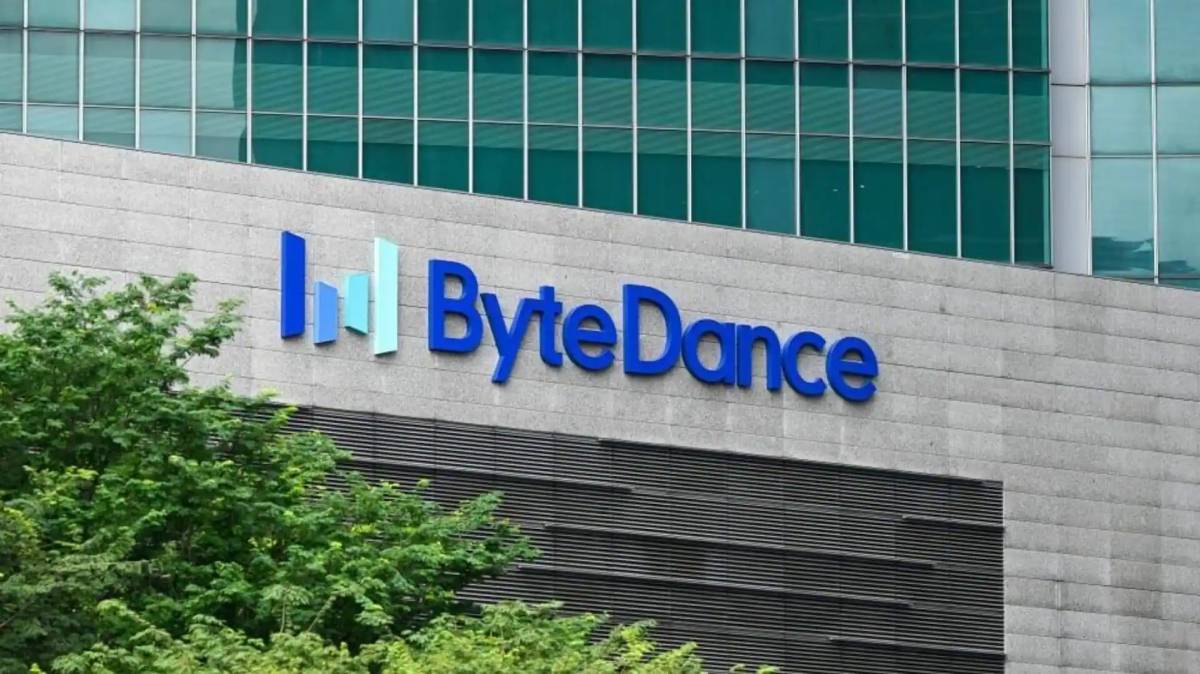
ByteDance Gains Access to Nvidia AI Chips

ByteDance has obtained access to Nvidia’s high-end AI chips, which are widely considered essential for training and running advanced artificial intelligence models.

March 30, 2026
|

A major development unfolded in the global semiconductor race as ByteDance, the Chinese parent company of TikTok, reportedly secured access to advanced AI chips produced by Nvidia. The move highlights the strategic importance of high-performance processors in the intensifying global competition for artificial intelligence leadership.

According to reports, ByteDance has obtained access to Nvidia’s high-end AI chips, which are widely considered essential for training and running advanced artificial intelligence models. The chips power computationally intensive tasks such as large language model training, recommendation algorithms, and video processing systems.

The development is notable given ongoing export restrictions imposed by the United States on advanced semiconductor technology destined for China. These restrictions aim to limit China’s access to cutting-edge computing infrastructure that could support military or strategic technological capabilities.

ByteDance’s access to Nvidia chips could strengthen its ability to develop sophisticated AI systems for content recommendation, advertising optimization, and generative AI services across its global platforms.

Advanced graphics processing units (GPUs) have become one of the most critical components in the global artificial intelligence ecosystem. Companies developing large-scale AI systems rely heavily on high-performance chips to process massive datasets and train complex models.

Over the past several years, geopolitical tensions between the United States and China have increasingly centered on semiconductor technology. Washington has introduced export controls aimed at restricting China’s access to the most advanced AI chips and manufacturing tools.

Despite these controls, Chinese technology firms continue seeking ways to secure high-performance computing capacity to remain competitive in the global AI race. Companies such as ByteDance are investing heavily in artificial intelligence capabilities to improve recommendation systems, develop generative AI tools, and expand digital services.

The demand for powerful GPUs has therefore become both an economic and geopolitical issue shaping the global technology landscape. Industry analysts say the reported access to Nvidia chips could significantly strengthen ByteDance’s AI development capabilities. The company already operates some of the world’s most sophisticated recommendation algorithms powering TikTok’s content discovery system.

Experts note that high-performance GPUs allow companies to train more advanced AI models, analyze larger datasets, and deploy new generative AI applications faster. As a result, access to these chips has become a key competitive advantage in the technology sector.

Technology strategists also point out that global semiconductor supply chains remain complex, with companies navigating regulatory restrictions, export controls, and geopolitical pressures.

Analysts believe the situation highlights the ongoing tension between efforts to control sensitive technologies and the commercial demand for advanced computing infrastructure across global digital platforms.

For technology companies, the development underscores the growing strategic importance of semiconductor supply chains in the AI economy. Access to high-performance chips can determine how quickly firms innovate and deploy advanced AI services.

Investors are closely monitoring the semiconductor sector, as companies producing AI chips have become central players in the global technology market. Nvidia, in particular, has seen rising demand for its GPUs due to the AI boom.

For policymakers, the situation highlights the challenges of enforcing export restrictions in a highly interconnected global supply chain. Governments may face increasing pressure to refine policies balancing national security concerns with commercial technology development.

Looking ahead, the competition for advanced AI chips is expected to intensify as demand for computing power continues to surge worldwide. Companies across industries are racing to secure the hardware necessary to support next-generation AI systems.

For global executives and policymakers, the evolving semiconductor landscape will remain a critical factor shaping the pace of innovation and the balance of technological power.

Source: Reuters
Date: March 13, 2026

  • Featured tools
Murf Ai
Free

Murf AI Review – Advanced AI Voice Generator for Realistic Voiceovers

#
Text to Speech
Learn more
Kreateable AI
Free

Kreateable AI is a white-label, AI-driven design platform that enables logo generation, social media posts, ads, and more for businesses, agencies, and service providers.

#
Logo Generator
Learn more

Learn more about future of AI

Join 80,000+ Ai enthusiast getting weekly updates on exciting AI tools.
Thank you! Your submission has been received!
Oops! Something went wrong while submitting the form.

ByteDance Gains Access to Nvidia AI Chips

March 30, 2026

ByteDance has obtained access to Nvidia’s high-end AI chips, which are widely considered essential for training and running advanced artificial intelligence models.

A major development unfolded in the global semiconductor race as ByteDance, the Chinese parent company of TikTok, reportedly secured access to advanced AI chips produced by Nvidia. The move highlights the strategic importance of high-performance processors in the intensifying global competition for artificial intelligence leadership.

According to reports, ByteDance has obtained access to Nvidia’s high-end AI chips, which are widely considered essential for training and running advanced artificial intelligence models. The chips power computationally intensive tasks such as large language model training, recommendation algorithms, and video processing systems.

The development is notable given ongoing export restrictions imposed by the United States on advanced semiconductor technology destined for China. These restrictions aim to limit China’s access to cutting-edge computing infrastructure that could support military or strategic technological capabilities.

ByteDance’s access to Nvidia chips could strengthen its ability to develop sophisticated AI systems for content recommendation, advertising optimization, and generative AI services across its global platforms.

Advanced graphics processing units (GPUs) have become one of the most critical components in the global artificial intelligence ecosystem. Companies developing large-scale AI systems rely heavily on high-performance chips to process massive datasets and train complex models.

Over the past several years, geopolitical tensions between the United States and China have increasingly centered on semiconductor technology. Washington has introduced export controls aimed at restricting China’s access to the most advanced AI chips and manufacturing tools.

Despite these controls, Chinese technology firms continue seeking ways to secure high-performance computing capacity to remain competitive in the global AI race. Companies such as ByteDance are investing heavily in artificial intelligence capabilities to improve recommendation systems, develop generative AI tools, and expand digital services.

The demand for powerful GPUs has therefore become both an economic and geopolitical issue shaping the global technology landscape. Industry analysts say the reported access to Nvidia chips could significantly strengthen ByteDance’s AI development capabilities. The company already operates some of the world’s most sophisticated recommendation algorithms powering TikTok’s content discovery system.

Experts note that high-performance GPUs allow companies to train more advanced AI models, analyze larger datasets, and deploy new generative AI applications faster. As a result, access to these chips has become a key competitive advantage in the technology sector.

Technology strategists also point out that global semiconductor supply chains remain complex, with companies navigating regulatory restrictions, export controls, and geopolitical pressures.

Analysts believe the situation highlights the ongoing tension between efforts to control sensitive technologies and the commercial demand for advanced computing infrastructure across global digital platforms.

For technology companies, the development underscores the growing strategic importance of semiconductor supply chains in the AI economy. Access to high-performance chips can determine how quickly firms innovate and deploy advanced AI services.

Investors are closely monitoring the semiconductor sector, as companies producing AI chips have become central players in the global technology market. Nvidia, in particular, has seen rising demand for its GPUs due to the AI boom.

For policymakers, the situation highlights the challenges of enforcing export restrictions in a highly interconnected global supply chain. Governments may face increasing pressure to refine policies balancing national security concerns with commercial technology development.

Looking ahead, the competition for advanced AI chips is expected to intensify as demand for computing power continues to surge worldwide. Companies across industries are racing to secure the hardware necessary to support next-generation AI systems.

For global executives and policymakers, the evolving semiconductor landscape will remain a critical factor shaping the pace of innovation and the balance of technological power.

Source: Reuters
Date: March 13, 2026

Promote Your Tool

Copy Embed Code

Similar Blogs

August 14, 2026
|

Benefitfocus Expands Digital Benefits Administration

Benefitfocus provides cloud-based technology covering benefits enrollment, administration, communications, billing, payments and data exchange.
Read more
August 14, 2026
|

Travel Agent Revenue Models Evolve Digitally

Travel agencies can earn commissions when customers book hotels, cruises, tours, vacation packages and other travel products through them. Suppliers may pay agents for generating bookings, making commissions a traditional component of agency revenue.
Read more
August 14, 2026
|

Sofon Advances Guided Selling CPQ Automation

Sofon's platform combines guided selling, product configuration, pricing, quotation and sales-management capabilities. Guided questionnaires help sales teams identify customer requirements and translate them into suitable product configurations.
Read more
August 14, 2026
|

WellRyde Advances Medical Transportation Management

WellRyde provides technology for managing non-emergency medical transportation operations, including trip scheduling, dispatch coordination, transportation-provider management and reporting.
Read more
August 14, 2026
|

Review WAVE Advances Digital Patient Engagement

Review WAVE provides healthcare practices with tools for online appointment scheduling, two-way texting, automated appointment reminders, digital forms, web chat, marketing campaigns and online review generation.
Read more
August 14, 2026
|

Edgenuity Expands Digital Virtual Education

Edgenuity provides digital curriculum and learning solutions covering core academic subjects, electives, Advanced Placement and career-oriented education.
Read more