
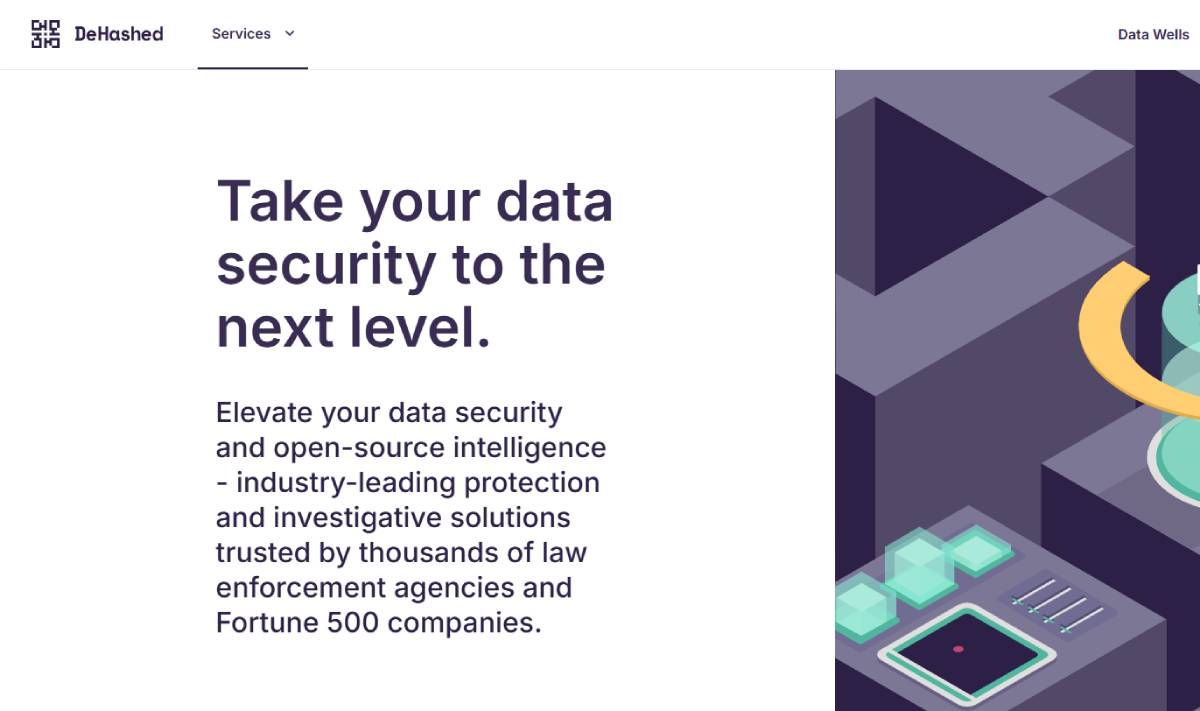
DeHashed Enhances Cyber Threat Intelligence

DeHashed operates as a cybersecurity intelligence platform that enables organizations, security professionals, and authorized users to search for publicly exposed breach data to determine whether credentials, email addresses.

July 29, 2026
|

DeHashed reflects the increasing importance of cybersecurity intelligence as organizations strengthen defenses against data breaches and identity-related threats. By enabling authorized users to identify compromised credentials and exposed digital information, the platform aligns with a broader enterprise shift toward proactive cyber risk management, compliance, and digital resilience.

DeHashed operates as a cybersecurity intelligence platform that enables organizations, security professionals, and authorized users to search for publicly exposed breach data to determine whether credentials, email addresses, or other digital identifiers have been compromised. The platform supports security assessments, incident response, and credential monitoring by helping identify potential exposure before it can be exploited.

Its growing relevance reflects rising enterprise investment in cyber defense technologies amid escalating ransomware attacks, phishing campaigns, and credential theft worldwide. Organizations increasingly integrate breach intelligence into broader security operations, allowing teams to strengthen authentication policies, improve employee awareness, and reduce organizational cyber risk.

Global cyber threats continue increasing in scale and sophistication as organizations accelerate digital transformation and cloud adoption. Data breaches affecting governments, enterprises, financial institutions, healthcare providers, and consumers have highlighted the need for continuous monitoring of compromised credentials and exposed information.

DeHashed aligns with a broader cybersecurity trend focused on threat intelligence, identity protection, and proactive risk mitigation. Rather than waiting for attacks to occur, enterprises increasingly use external intelligence platforms to identify vulnerabilities before malicious actors exploit them.

Governments worldwide are also strengthening cybersecurity regulations through privacy frameworks, breach notification requirements, and security compliance standards. As cyber insurance providers demand stronger security controls, businesses are investing in technologies that improve visibility into credential exposure, account security, and digital identity management while supporting compliance with evolving regulatory expectations.

Cybersecurity analysts consistently emphasize that compromised credentials remain one of the leading causes of successful cyberattacks. Experts recommend continuous monitoring of exposed account information alongside multi-factor authentication, password management, employee awareness training, and zero-trust security architectures.

Industry specialists note that breach intelligence services such as DeHashed can provide valuable visibility into publicly available exposure data when used responsibly and in accordance with applicable laws. These tools are increasingly integrated into security operations centers (SOCs), digital forensic investigations, and enterprise risk management programs.

Security professionals also stress the importance of ethical usage. Access to breach intelligence should support defensive cybersecurity objectives, regulatory compliance, and organizational resilience rather than unauthorized surveillance or misuse of personal information. Responsible governance remains central to maintaining trust in cybersecurity ecosystems.

For enterprises, DeHashed demonstrates the growing strategic importance of cyber intelligence within broader digital risk management programs. Organizations may use breach monitoring to improve credential security, reduce incident response times, and strengthen overall cyber resilience.

Investors continue viewing cybersecurity as one of the fastest-growing technology sectors, driven by increasing regulatory requirements and persistent cyber threats. Policymakers are expected to expand regulations surrounding data protection, breach reporting, privacy, and identity security while encouraging stronger collaboration between public and private sectors.

Executives should increasingly prioritize proactive security monitoring as part of enterprise governance, operational continuity, and long-term digital transformation strategies. Looking ahead, cybersecurity intelligence platforms are expected to become more deeply integrated with artificial intelligence, automated threat detection, and enterprise security operations. Decision-makers should monitor evolving cyber regulations, identity protection standards, and emerging attack techniques targeting digital credentials. As cyber risks continue expanding globally, proactive breach intelligence will remain an increasingly valuable component of modern organizational security strategies.

Source: AlternativeTo
Date: July 23, 2026

  • Featured tools
Surfer AI
Free

Surfer AI is an AI-powered content creation assistant built into the Surfer SEO platform, designed to generate SEO-optimized articles from prompts, leveraging data from search results to inform tone, structure, and relevance.

#
SEO
Learn more
Alli AI
Free

Alli AI is an all-in-one, AI-powered SEO automation platform that streamlines on-page optimization, site auditing, speed improvements, schema generation, internal linking, and ranking insights.

#
SEO
Learn more

Learn more about future of AI

Join 80,000+ Ai enthusiast getting weekly updates on exciting AI tools.
Thank you! Your submission has been received!
Oops! Something went wrong while submitting the form.

DeHashed Enhances Cyber Threat Intelligence

July 29, 2026

DeHashed operates as a cybersecurity intelligence platform that enables organizations, security professionals, and authorized users to search for publicly exposed breach data to determine whether credentials, email addresses.

DeHashed reflects the increasing importance of cybersecurity intelligence as organizations strengthen defenses against data breaches and identity-related threats. By enabling authorized users to identify compromised credentials and exposed digital information, the platform aligns with a broader enterprise shift toward proactive cyber risk management, compliance, and digital resilience.

DeHashed operates as a cybersecurity intelligence platform that enables organizations, security professionals, and authorized users to search for publicly exposed breach data to determine whether credentials, email addresses, or other digital identifiers have been compromised. The platform supports security assessments, incident response, and credential monitoring by helping identify potential exposure before it can be exploited.

Its growing relevance reflects rising enterprise investment in cyber defense technologies amid escalating ransomware attacks, phishing campaigns, and credential theft worldwide. Organizations increasingly integrate breach intelligence into broader security operations, allowing teams to strengthen authentication policies, improve employee awareness, and reduce organizational cyber risk.

Global cyber threats continue increasing in scale and sophistication as organizations accelerate digital transformation and cloud adoption. Data breaches affecting governments, enterprises, financial institutions, healthcare providers, and consumers have highlighted the need for continuous monitoring of compromised credentials and exposed information.

DeHashed aligns with a broader cybersecurity trend focused on threat intelligence, identity protection, and proactive risk mitigation. Rather than waiting for attacks to occur, enterprises increasingly use external intelligence platforms to identify vulnerabilities before malicious actors exploit them.

Governments worldwide are also strengthening cybersecurity regulations through privacy frameworks, breach notification requirements, and security compliance standards. As cyber insurance providers demand stronger security controls, businesses are investing in technologies that improve visibility into credential exposure, account security, and digital identity management while supporting compliance with evolving regulatory expectations.

Cybersecurity analysts consistently emphasize that compromised credentials remain one of the leading causes of successful cyberattacks. Experts recommend continuous monitoring of exposed account information alongside multi-factor authentication, password management, employee awareness training, and zero-trust security architectures.

Industry specialists note that breach intelligence services such as DeHashed can provide valuable visibility into publicly available exposure data when used responsibly and in accordance with applicable laws. These tools are increasingly integrated into security operations centers (SOCs), digital forensic investigations, and enterprise risk management programs.

Security professionals also stress the importance of ethical usage. Access to breach intelligence should support defensive cybersecurity objectives, regulatory compliance, and organizational resilience rather than unauthorized surveillance or misuse of personal information. Responsible governance remains central to maintaining trust in cybersecurity ecosystems.

For enterprises, DeHashed demonstrates the growing strategic importance of cyber intelligence within broader digital risk management programs. Organizations may use breach monitoring to improve credential security, reduce incident response times, and strengthen overall cyber resilience.

Investors continue viewing cybersecurity as one of the fastest-growing technology sectors, driven by increasing regulatory requirements and persistent cyber threats. Policymakers are expected to expand regulations surrounding data protection, breach reporting, privacy, and identity security while encouraging stronger collaboration between public and private sectors.

Executives should increasingly prioritize proactive security monitoring as part of enterprise governance, operational continuity, and long-term digital transformation strategies. Looking ahead, cybersecurity intelligence platforms are expected to become more deeply integrated with artificial intelligence, automated threat detection, and enterprise security operations. Decision-makers should monitor evolving cyber regulations, identity protection standards, and emerging attack techniques targeting digital credentials. As cyber risks continue expanding globally, proactive breach intelligence will remain an increasingly valuable component of modern organizational security strategies.

Source: AlternativeTo
Date: July 23, 2026

Promote Your Tool

Copy Embed Code

Similar Blogs

July 31, 2026
|

Dodo MIDI Enhances Music Production Workflows

Dodo MIDI is part of the music technology ecosystem, focusing on MIDI-based tools that help users create, control, and manage digital musical compositions.
Read more
July 31, 2026
|

Polar Cloud Advances Secure Data Management

Polar Cloud is positioned within the cloud computing ecosystem, offering users technology solutions focused on managing and accessing digital resources through cloud-based environments.
Read more
July 31, 2026
|

Metastream Enhances Shared Digital Entertainment

Metastream is a digital platform designed to enable synchronized media playback, allowing multiple users to watch online content together from different locations.
Read more
July 31, 2026
|

Deep Realms Advances Immersive Digital Experiences

Deep Realms is positioned within the category of immersive digital experiences, offering users a platform focused on exploration, creativity, and interactive engagement.
Read more
July 31, 2026
|

Starbackpage Evolves Digital Marketplace Platforms

Starbackpage is part of the online classified marketplace category, where users can create listings, discover services, and interact through digital platforms.
Read more
July 31, 2026
|

Calyx VPN Strengthens Digital Privacy Security

Calyx VPN is a privacy-focused virtual private network solution designed to provide users with secure internet connections and enhanced online privacy.
Read more