
Disney Sora Fallout Exposes AI Platform Limits

The controversy centers on the use of Sora, an advanced AI platform capable of generating cinematic-quality video from text prompts. Concerns reportedly emerged around intellectual property, creative control, and the reliability of outputs.

March 31, 2026
|
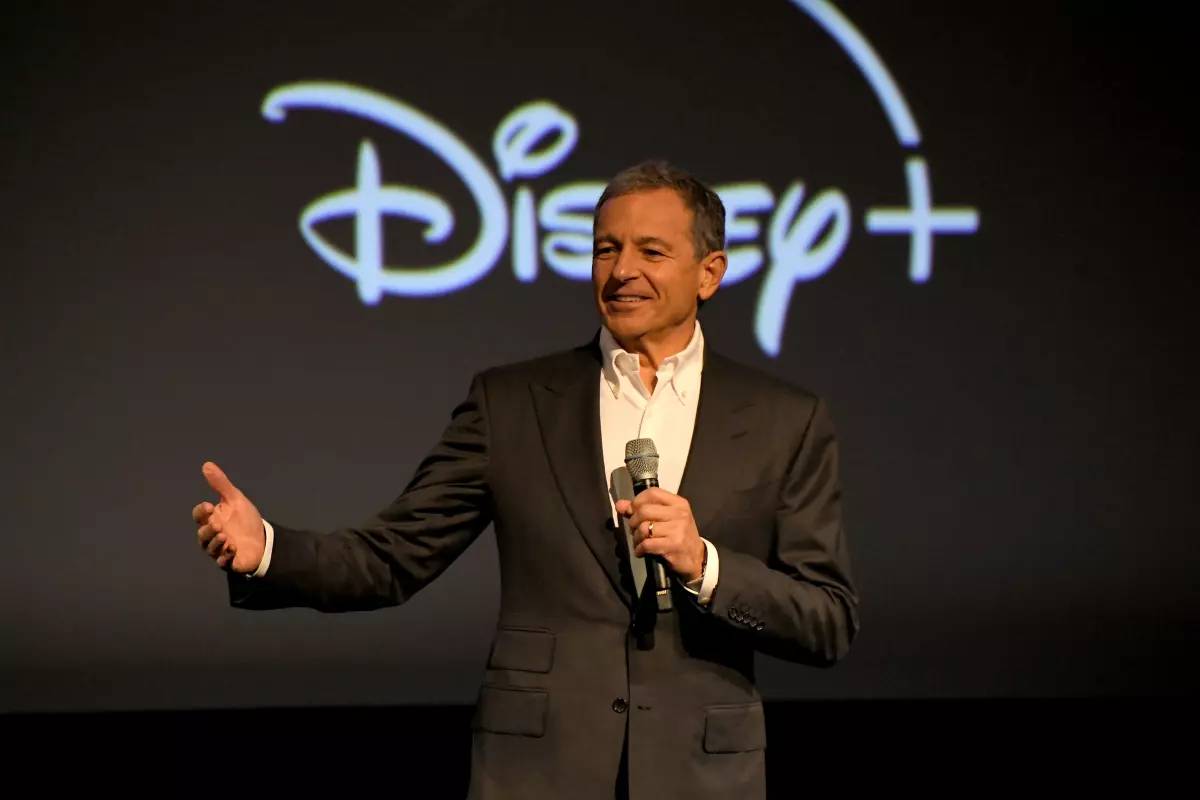
Image Credit: Charley Gallay / Getty Images for Disney

A major disruption in the entertainment-tech landscape has emerged as tensions between The Walt Disney Company and OpenAI over its Sora AI video platform highlight the growing limits of generative AI. The episode signals a critical reality check for businesses betting heavily on AI frameworks and platforms to transform creative industries at scale.

The controversy centers on the use of Sora, an advanced AI platform capable of generating cinematic-quality video from text prompts. Concerns reportedly emerged around intellectual property, creative control, and the reliability of outputs.

Studios, including Disney, have raised alarms about how AI frameworks are trained particularly the use of copyrighted material without clear licensing structures. The incident follows increasing scrutiny from media companies wary of losing control over proprietary content.

At the same time, the broader entertainment ecosystem is reassessing partnerships with AI developers, reflecting a shift from early enthusiasm to cautious engagement, especially where legal exposure and brand risk are involved.

The development aligns with a broader recalibration across global markets where generative AI platforms have rapidly outpaced governance structures. Since breakthroughs in models like ChatGPT and Sora, media and entertainment companies have experimented aggressively with AI-driven production workflows.

However, the lack of clear legal frameworks around training data and content ownership has triggered a wave of lawsuits and industry pushback. Hollywood studios, music labels, and publishers are increasingly questioning whether current AI frameworks adequately protect intellectual property.

This moment also reflects a historical pattern seen in prior tech cycles from streaming to social media where innovation initially disrupts content economics before regulatory and commercial equilibrium is established. The Disney–Sora episode underscores that AI platforms, while powerful, are not immune to the same structural tensions between creators and technology providers.

Industry analysts suggest the dispute reflects a deeper structural challenge: aligning AI platform capabilities with established creative rights frameworks. Experts argue that while generative AI tools promise efficiency and scale, they also introduce ambiguity around authorship and compensation.

Media executives have reportedly emphasized that unchecked AI frameworks could dilute brand integrity and undermine long-term content value. Technology leaders, meanwhile, maintain that innovation depends on access to large-scale datasets, creating a fundamental tension between progress and protection.

Policy observers note that governments are increasingly monitoring such conflicts as test cases for future AI regulation. The outcome of disputes involving major players like Disney and OpenAI could shape global standards on AI transparency, licensing, and accountability especially as regulators seek to balance innovation with consumer and creator protections.

For global executives, the episode signals a need to reassess AI adoption strategies particularly in content-driven sectors. Companies leveraging AI platforms must now evaluate legal exposure, data sourcing practices, and reputational risks.

Investors may also shift focus toward firms that demonstrate robust compliance frameworks and ethical AI deployment. Meanwhile, content owners are likely to push for stricter licensing agreements and revenue-sharing models.

From a policy standpoint, regulators could accelerate efforts to define standards for AI training data and intellectual property usage. The incident may catalyze new compliance requirements, impacting how AI frameworks are developed, deployed, and monetized across industries.

Looking ahead, the evolution of AI platforms in entertainment will hinge on resolving legal and ethical uncertainties. Stakeholders should watch for new licensing models, regulatory interventions, and potential industry-wide standards.

While innovation will continue, the Disney–Sora episode marks a turning point where scalability alone is no longer sufficient. Sustainable growth in AI frameworks will depend on trust, transparency, and alignment with existing economic ecosystems.

Source: Los Angeles Times
Date: March 30, 2026

  • Featured tools
Kreateable AI
Free

Kreateable AI is a white-label, AI-driven design platform that enables logo generation, social media posts, ads, and more for businesses, agencies, and service providers.

#
Logo Generator
Learn more
Ai Fiesta
Paid

AI Fiesta is an all-in-one productivity platform that gives users access to multiple leading AI models through a single interface. It includes features like prompt enhancement, image generation, audio transcription and side-by-side model comparison.

#
Copywriting
#
Art Generator
Learn more

Learn more about future of AI

Join 80,000+ Ai enthusiast getting weekly updates on exciting AI tools.
Thank you! Your submission has been received!
Oops! Something went wrong while submitting the form.

Disney Sora Fallout Exposes AI Platform Limits

March 31, 2026

The controversy centers on the use of Sora, an advanced AI platform capable of generating cinematic-quality video from text prompts. Concerns reportedly emerged around intellectual property, creative control, and the reliability of outputs.

Image Credit: Charley Gallay / Getty Images for Disney

A major disruption in the entertainment-tech landscape has emerged as tensions between The Walt Disney Company and OpenAI over its Sora AI video platform highlight the growing limits of generative AI. The episode signals a critical reality check for businesses betting heavily on AI frameworks and platforms to transform creative industries at scale.

The controversy centers on the use of Sora, an advanced AI platform capable of generating cinematic-quality video from text prompts. Concerns reportedly emerged around intellectual property, creative control, and the reliability of outputs.

Studios, including Disney, have raised alarms about how AI frameworks are trained particularly the use of copyrighted material without clear licensing structures. The incident follows increasing scrutiny from media companies wary of losing control over proprietary content.

At the same time, the broader entertainment ecosystem is reassessing partnerships with AI developers, reflecting a shift from early enthusiasm to cautious engagement, especially where legal exposure and brand risk are involved.

The development aligns with a broader recalibration across global markets where generative AI platforms have rapidly outpaced governance structures. Since breakthroughs in models like ChatGPT and Sora, media and entertainment companies have experimented aggressively with AI-driven production workflows.

However, the lack of clear legal frameworks around training data and content ownership has triggered a wave of lawsuits and industry pushback. Hollywood studios, music labels, and publishers are increasingly questioning whether current AI frameworks adequately protect intellectual property.

This moment also reflects a historical pattern seen in prior tech cycles from streaming to social media where innovation initially disrupts content economics before regulatory and commercial equilibrium is established. The Disney–Sora episode underscores that AI platforms, while powerful, are not immune to the same structural tensions between creators and technology providers.

Industry analysts suggest the dispute reflects a deeper structural challenge: aligning AI platform capabilities with established creative rights frameworks. Experts argue that while generative AI tools promise efficiency and scale, they also introduce ambiguity around authorship and compensation.

Media executives have reportedly emphasized that unchecked AI frameworks could dilute brand integrity and undermine long-term content value. Technology leaders, meanwhile, maintain that innovation depends on access to large-scale datasets, creating a fundamental tension between progress and protection.

Policy observers note that governments are increasingly monitoring such conflicts as test cases for future AI regulation. The outcome of disputes involving major players like Disney and OpenAI could shape global standards on AI transparency, licensing, and accountability especially as regulators seek to balance innovation with consumer and creator protections.

For global executives, the episode signals a need to reassess AI adoption strategies particularly in content-driven sectors. Companies leveraging AI platforms must now evaluate legal exposure, data sourcing practices, and reputational risks.

Investors may also shift focus toward firms that demonstrate robust compliance frameworks and ethical AI deployment. Meanwhile, content owners are likely to push for stricter licensing agreements and revenue-sharing models.

From a policy standpoint, regulators could accelerate efforts to define standards for AI training data and intellectual property usage. The incident may catalyze new compliance requirements, impacting how AI frameworks are developed, deployed, and monetized across industries.

Looking ahead, the evolution of AI platforms in entertainment will hinge on resolving legal and ethical uncertainties. Stakeholders should watch for new licensing models, regulatory interventions, and potential industry-wide standards.

While innovation will continue, the Disney–Sora episode marks a turning point where scalability alone is no longer sufficient. Sustainable growth in AI frameworks will depend on trust, transparency, and alignment with existing economic ecosystems.

Source: Los Angeles Times
Date: March 30, 2026

Promote Your Tool

Copy Embed Code

Similar Blogs

June 26, 2026
|

AlpineAI Raises Seed Round

AlpineAI has successfully closed a double-digit million seed funding round aimed at accelerating the development of sovereign AI technologies.
Read more
June 26, 2026
|

BLP Digital Raises $50M Funding Round

BLP Digital has secured $50 million in strategic funding from Goldman Sachs to accelerate the expansion of its AI-driven enterprise solutions.
Read more
June 26, 2026
|

Giotto AI RUAG Secure AI

Giotto.ai and RUAG have entered into a cooperation agreement focused on the distribution and deployment of state-of-the-art AI solutions across defense and industrial domains.
Read more
June 26, 2026
|

Fruitful AI Secures Funding Round

Fruitful AI has successfully completed a strategic investment round, strengthening its financial position to scale operations and enhance its AI-driven product suite.
Read more
June 26, 2026
|

Visium Raises AI Funding Round

Visium has successfully raised fresh funding aimed at scaling its operations across key European markets and expanding deeper into the US enterprise AI ecosystem.
Read more
June 26, 2026
|

Nuclidium Raises CHF 105M Series B

Nuclidium has successfully expanded its Series B funding round to CHF 105 million through a latest extension, attracting continued backing from existing and new investors.
Read more