



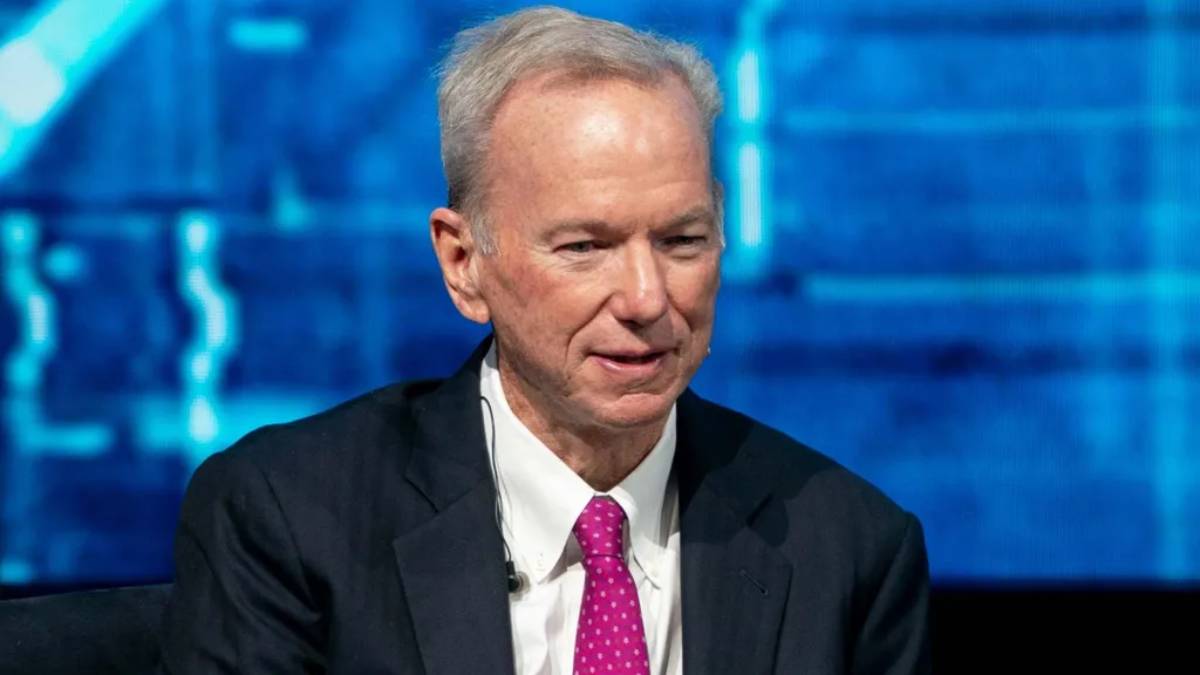
A growing public backlash against artificial intelligence entered the spotlight after Eric Schmidt faced boos from graduates during remarks referencing AI. The incident reflects widening societal concerns around automation, employment disruption, and the influence of major technology companies in shaping the future of work and education.
During a commencement-related appearance, former Google CEO Eric Schmidt reportedly encountered audible criticism and boos when discussing artificial intelligence and its future impact. The reaction highlighted increasing unease among younger audiences about AI’s role in reshaping labor markets, creative industries, and long-term career opportunities.
The moment quickly gained attention as a broader symbol of rising skepticism toward the technology sector’s AI narrative. While major technology companies continue promoting AI as a productivity and innovation driver, segments of the public particularly students and emerging professionals are increasingly expressing fears about automation, economic inequality, and diminishing job security in AI-transformed industries.
The incident comes at a time when artificial intelligence has become one of the most polarizing technological developments globally. Major corporations are investing billions into AI infrastructure and automation systems, while governments and labor groups debate how rapidly evolving technologies could reshape employment and economic structures.
Eric Schmidt has long been associated with the expansion of large-scale internet platforms and emerging technologies. His comments and public appearances often reflect the broader Silicon Valley perspective that AI will drive productivity gains and long-term economic growth.
However, public sentiment around AI has become increasingly mixed. Concerns surrounding job displacement, misinformation, surveillance, and the concentration of technological power among a small group of corporations have intensified as generative AI tools move into mainstream use across education, media, and enterprise operations.
Industry analysts suggest the reaction toward Schmidt reflects a growing disconnect between technology leaders and parts of the public increasingly anxious about AI’s societal consequences. Experts argue that while corporations emphasize efficiency and innovation, many workers and students remain uncertain about how AI will affect long-term employment prospects.
Labor economists note that previous technological revolutions eventually created new industries and jobs, but transitions were often disruptive and uneven across sectors. Analysts also highlight that younger generations entering the workforce may feel particularly vulnerable as AI systems begin automating tasks traditionally associated with entry-level knowledge work.
Technology ethicists argue that public resistance to AI may intensify unless companies and governments provide clearer frameworks for workforce adaptation, education reform, and responsible deployment standards. The incident illustrates how AI policy debates are increasingly moving beyond boardrooms into mainstream social discourse.
For businesses, the backlash underscores the importance of managing AI adoption carefully while addressing employee and public concerns around automation and workforce disruption. Companies may face increasing pressure to balance productivity gains with transparency, reskilling initiatives, and ethical AI governance.
For investors, the incident signals that public sentiment and social acceptance could become increasingly important variables in long-term AI adoption strategies. For policymakers, the event reinforces growing calls for regulatory oversight, workforce transition planning, and educational adaptation. Analysts warn that governments may need to accelerate labor protection and digital literacy initiatives as AI integration expands across industries.
Looking ahead, tensions between rapid AI advancement and public acceptance are likely to intensify as automation spreads across white-collar and creative sectors. Decision-makers will closely monitor whether businesses and governments can build public trust through responsible deployment and workforce support measures. The broader challenge will be determining whether AI’s economic benefits can be distributed widely enough to avoid deeper social and political resistance.
Source: BBC Report
Date: May 19, 2026


