



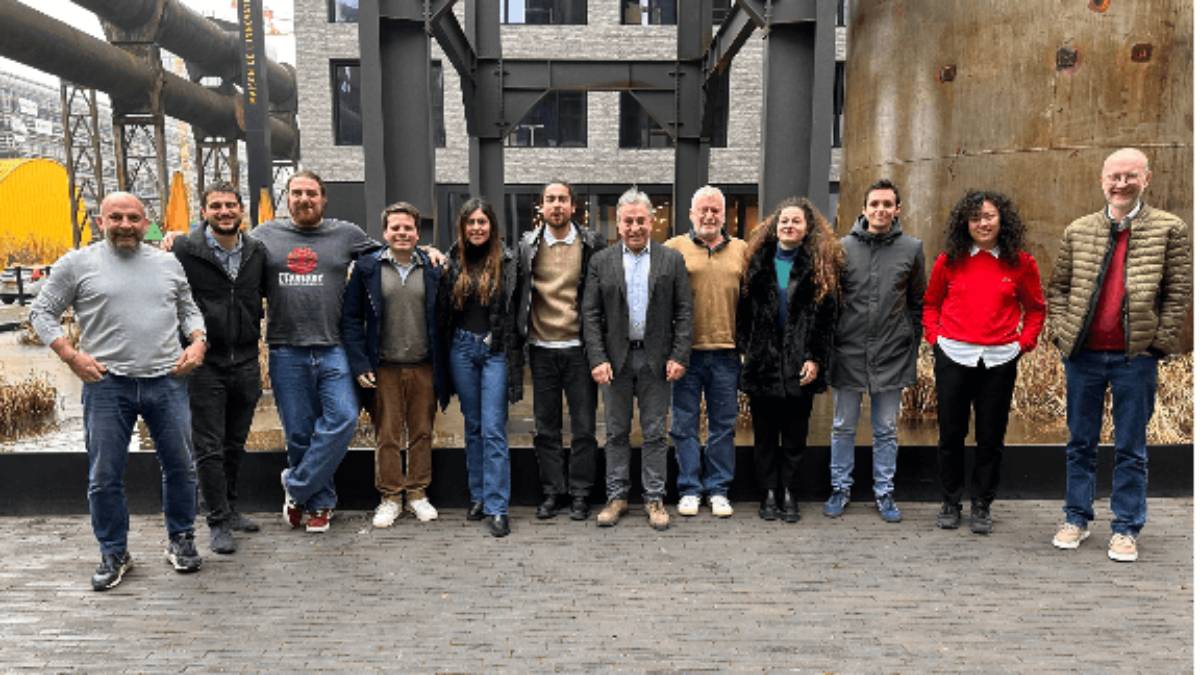
Luxembourg’s flagship startup accelerator is reinforcing its role in Europe's innovation landscape by supporting high-growth ventures spanning aerospace, healthtech, and other deep-tech sectors. The latest developments from Fit 4 Start underscore the country's ambition to foster globally competitive startups while accelerating commercialization in strategically important industries with strong economic and societal impact.
Fit 4 Start continues to attract startups developing advanced technologies across sectors including aerospace, healthtech, artificial intelligence, and digital innovation. The programme provides participating companies with mentoring, funding opportunities, industry expertise, and access to Luxembourg's growing innovation ecosystem.
By supporting startups from highly specialized industries, the accelerator encourages collaboration between entrepreneurs, research institutions, investors, and corporate partners. The initiative reflects Luxembourg's strategy of promoting knowledge-intensive businesses capable of addressing global challenges through technological innovation. As participating companies mature, they are expected to contribute to economic diversification, job creation, and the expansion of high-value industrial capabilities within Europe.
Governments across Europe are increasingly investing in startup accelerators as instruments for strengthening innovation ecosystems and enhancing long-term economic competitiveness. Deep-tech industries including aerospace, biotechnology, digital health, advanced manufacturing, and artificial intelligence require substantial technical expertise, patient capital, and close collaboration between research institutions and commercial enterprises.
Luxembourg has positioned itself as an emerging European hub for high-technology entrepreneurship by combining public support programmes with international investment, research infrastructure, and business-friendly policies. Fit 4 Start has become a central component of this strategy, helping startups transform scientific breakthroughs into scalable commercial ventures. The programme aligns with broader European priorities that encourage innovation-led growth, technological sovereignty, and sustainable economic development while fostering collaboration between startups, universities, government agencies, and multinational corporations.
Innovation specialists view accelerator programmes such as Fit 4 Start as essential mechanisms for reducing the barriers faced by early-stage deep-tech companies. Beyond financial support, startups benefit from mentorship, commercial validation, international networks, and connections to investors capable of supporting long-term growth.
Industry analysts note that sectors like aerospace and healthtech often require extended development cycles and regulatory expertise, making structured accelerator programmes particularly valuable. Experts also suggest that ecosystems integrating research organizations, venture capital, government institutions, and established corporations create stronger commercialization outcomes than isolated startup initiatives. Policymakers increasingly regard these collaborative innovation platforms as strategic assets capable of enhancing regional competitiveness, attracting international talent, and strengthening Europe's position in emerging technology markets.
For businesses, Fit 4 Start offers access to innovative technologies, strategic partnerships, and potential acquisition opportunities emerging from Europe's deep-tech ecosystem. Investors may identify promising ventures operating in sectors with significant long-term growth potential, including aerospace, digital health, and advanced engineering.
Government policymakers are likely to continue supporting accelerator programmes that stimulate entrepreneurship, strengthen research commercialization, and encourage cross-border collaboration. For corporate leaders, engagement with accelerator ecosystems may become an increasingly important component of innovation strategy as companies seek faster access to emerging technologies and specialized entrepreneurial talent.
As demand for advanced technologies continues growing, accelerator programmes such as Fit 4 Start are expected to play an increasingly influential role in Europe's innovation economy. Decision-makers should monitor startup commercialization, follow-on investment activity, and international expansion among participating companies. Continued collaboration between governments, investors, academia, and industry will remain essential for transforming promising deep-tech innovations into globally competitive businesses.
Source: Startup Luxembourg
Date: July 1, 2026


