



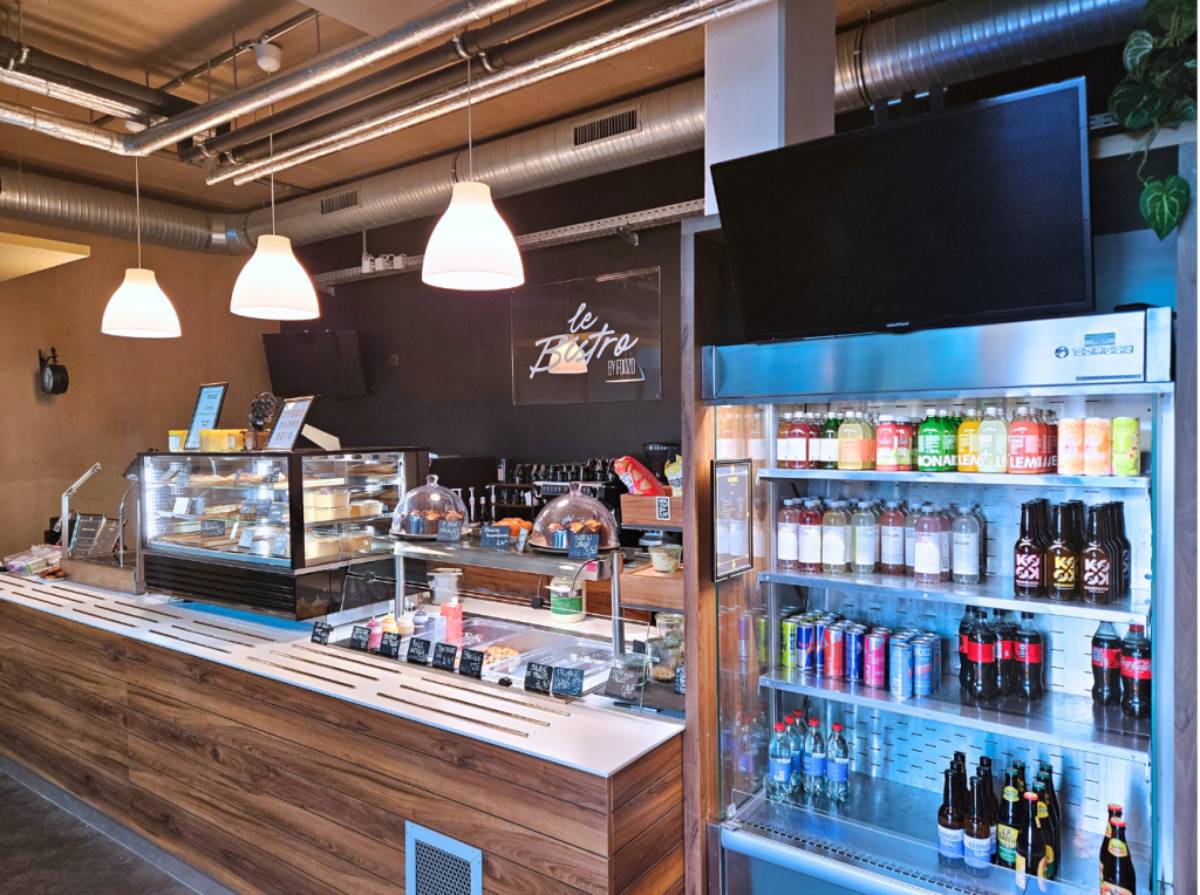
Luxembourg based workplace food-tech company Foozo has opened its first on-site corporate cafeteria, marking a strategic expansion beyond meal delivery services. The initiative reflects growing demand for employee-centric workplace amenities as businesses compete to improve talent retention, office engagement, and hybrid work experiences.
Foozo has launched its first fully managed on-site cafeteria, broadening its business model from corporate catering and meal delivery to integrated workplace dining solutions. The new offering enables companies to provide fresh, professionally managed food services directly within their offices while maintaining operational flexibility. The expansion targets employers seeking to strengthen employee wellbeing, collaboration, and workplace culture.
Key stakeholders include corporate clients, property managers, employees, local food suppliers, and workplace service providers. The initiative reflects increasing investment in office experience strategies as organizations encourage employees to return to physical workplaces in the post-pandemic business environment.
Corporate workplace dining has evolved significantly over the past decade, moving beyond traditional cafeterias toward hospitality-driven employee experiences. As hybrid work models become permanent across many industries, employers are increasingly investing in workplace amenities that encourage in-person collaboration and improve employee satisfaction.
Across Europe, companies are redesigning offices to function as destinations rather than mandatory workspaces. Premium dining options, wellness programs, and flexible work environments have become important components of employer branding and talent acquisition strategies. Food-tech companies have responded by developing scalable workplace catering models that combine technology, logistics, and hospitality services.
Foozo's move into on-site cafeteria management reflects this broader market evolution, where workplace food services are increasingly viewed as strategic investments rather than operational expenses. The expansion also aligns with growing corporate interest in sustainable sourcing, healthier meals, and locally produced food offerings.
Workplace strategy experts suggest that high-quality food services play an increasingly important role in enhancing employee engagement and organizational culture. Research consistently indicates that shared dining spaces encourage collaboration, strengthen informal networking, and improve employee satisfaction, particularly in hybrid work environments.
Industry analysts view Foozo's expansion as part of a broader convergence between food technology, facility management, and employee experience services. Rather than simply providing meals, workplace dining providers are becoming partners in corporate wellbeing and retention strategies.
Hospitality specialists also note that companies increasingly expect flexible, technology-enabled catering solutions capable of adapting to fluctuating office attendance. Analysts believe integrated workplace dining services could become a meaningful competitive differentiator for employers seeking to attract highly skilled professionals in increasingly competitive labor markets.
For employers, Foozo's new model offers an opportunity to strengthen workplace culture while enhancing employee wellbeing and office utilization. Businesses may increasingly view premium workplace dining as an investment in productivity, collaboration, and talent retention rather than a discretionary employee benefit.
Commercial property owners and facility managers may also benefit as integrated workplace services become more attractive to tenants. Investors monitoring food-tech and workplace services could see growing opportunities as demand shifts toward hospitality-driven office experiences.
For policymakers, the development supports broader economic objectives related to local sourcing, sustainable food systems, and healthier workplace environments across Europe's evolving knowledge economy.
Foozo is expected to expand its on-site cafeteria model to additional corporate clients as organizations continue investing in employee experience and hybrid workplace strategies. Market observers will monitor customer adoption, scalability, and partnerships with major employers. If successful, the initiative could accelerate the transformation of workplace dining from a support function into a strategic component of corporate culture and talent management.
Source: Silicon Luxembourg
Date: July 2026


