
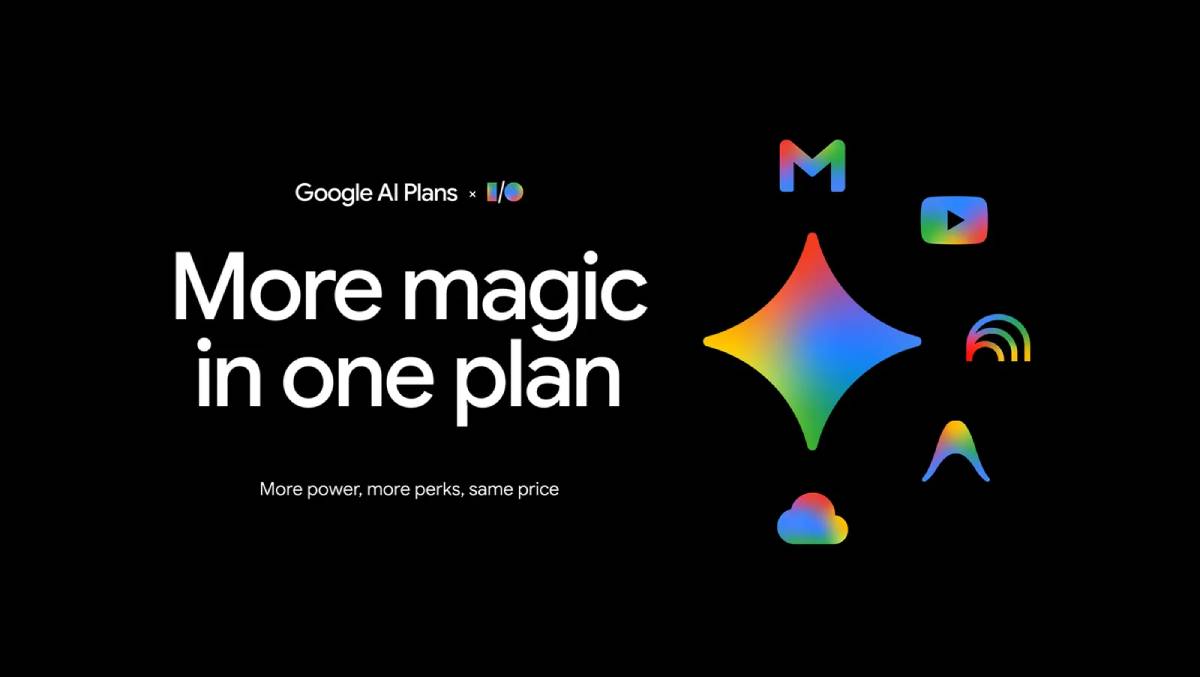
Google Expands AI Subscription Ecosystem Globally

Google introduced new updates and expanded features across its AI subscription ecosystem tied to Google One and broader AI-powered services unveiled during I/O 2026.

May 20, 2026
|
Image Source:  Google Official Blog

Google unveiled expanded AI subscription offerings following its I/O 2026 event, signaling a deeper shift toward monetized generative AI services across consumer and enterprise ecosystems. The move highlights intensifying competition among major technology firms to integrate premium AI capabilities into productivity, search, cloud, and digital lifestyle platforms worldwide.

Google introduced new updates and expanded features across its AI subscription ecosystem tied to Google One and broader AI-powered services unveiled during I/O 2026. The offerings include enhanced generative AI tools, productivity integrations, creative features, and premium access to advanced AI models across multiple consumer and enterprise applications.

The expansion reflects Google’s strategy to embed AI deeper into its ecosystem while driving recurring subscription revenue. The company is positioning AI-powered experiences as central to future user engagement across search, cloud computing, collaboration tools, and personal productivity services.

The announcement also intensifies competitive pressure across the AI subscription market, where technology firms are racing to commercialize increasingly sophisticated AI capabilities at scale.

Google’s expanded subscription strategy comes amid a broader transformation in the global technology sector, where AI is rapidly shifting from experimental deployment to mainstream commercial infrastructure. Since the emergence of generative AI platforms, major firms have accelerated efforts to monetize AI through premium consumer subscriptions, enterprise software integration, and cloud-based AI services.

The competitive landscape has intensified as companies including OpenAI, Microsoft, Meta, and Google compete for leadership in AI-driven ecosystems. Subscription models are increasingly viewed as critical for offsetting the massive infrastructure costs associated with training and operating advanced AI systems.

Historically, Google relied heavily on advertising revenue, but AI commercialization is now creating new business models centered around recurring subscription income, enterprise productivity, and personalized digital services powered by generative AI.

Industry analysts view Google’s expanded AI subscriptions as part of a broader strategic effort to strengthen user retention and diversify revenue streams beyond advertising. Experts note that recurring subscription models provide technology firms with more stable long-term monetization opportunities as AI infrastructure spending continues rising.

Google executives emphasized that AI-powered services are becoming increasingly integrated across everyday digital workflows, from content creation and research assistance to productivity automation and personalized experiences. The company framed the updates as part of its long-term vision for making advanced AI tools more accessible to both consumers and businesses.

Market analysts also point out that the AI subscription race is reshaping competitive dynamics across the technology industry. Firms capable of combining large-scale infrastructure, ecosystem integration, and premium AI experiences may gain significant strategic advantages in attracting users and enterprise customers globally.

For businesses, Google’s subscription expansion highlights the growing importance of AI-enabled productivity ecosystems in enterprise operations and consumer engagement strategies. Companies may increasingly adopt subscription-based AI tools to enhance efficiency, automate workflows, and improve digital collaboration capabilities.

For investors, the shift underscores how AI monetization is becoming central to valuation expectations across major technology firms. Subscription revenue models tied to AI services could influence long-term profitability, infrastructure investment, and competitive positioning.

Policymakers and regulators may also monitor how AI subscription ecosystems affect market concentration, data governance, and consumer access to advanced digital services. Questions surrounding pricing power, platform dominance, and AI accessibility are likely to intensify as adoption expands globally.

Attention now turns to how consumers and enterprises respond to increasingly subscription-driven AI ecosystems. Industry observers will closely watch adoption rates, pricing strategies, and the pace of AI integration across Google’s broader product portfolio. As competition intensifies among global technology leaders, the ability to balance innovation, monetization, and user trust may determine which companies emerge as dominant players in the next phase of the AI economy.

Source: Google Official Blog Announcement
Date: 2026

  • Featured tools
Copy Ai
Free

Copy AI is one of the most popular AI writing tools designed to help professionals create high-quality content quickly. Whether you are a product manager drafting feature descriptions or a marketer creating ad copy, Copy AI can save hours of work while maintaining creativity and tone.

#
Copywriting
Learn more
Ai Fiesta
Paid

AI Fiesta is an all-in-one productivity platform that gives users access to multiple leading AI models through a single interface. It includes features like prompt enhancement, image generation, audio transcription and side-by-side model comparison.

#
Copywriting
#
Art Generator
Learn more

Learn more about future of AI

Join 80,000+ Ai enthusiast getting weekly updates on exciting AI tools.
Thank you! Your submission has been received!
Oops! Something went wrong while submitting the form.

Google Expands AI Subscription Ecosystem Globally

May 20, 2026

Google introduced new updates and expanded features across its AI subscription ecosystem tied to Google One and broader AI-powered services unveiled during I/O 2026.

Image Source:  Google Official Blog

Google unveiled expanded AI subscription offerings following its I/O 2026 event, signaling a deeper shift toward monetized generative AI services across consumer and enterprise ecosystems. The move highlights intensifying competition among major technology firms to integrate premium AI capabilities into productivity, search, cloud, and digital lifestyle platforms worldwide.

Google introduced new updates and expanded features across its AI subscription ecosystem tied to Google One and broader AI-powered services unveiled during I/O 2026. The offerings include enhanced generative AI tools, productivity integrations, creative features, and premium access to advanced AI models across multiple consumer and enterprise applications.

The expansion reflects Google’s strategy to embed AI deeper into its ecosystem while driving recurring subscription revenue. The company is positioning AI-powered experiences as central to future user engagement across search, cloud computing, collaboration tools, and personal productivity services.

The announcement also intensifies competitive pressure across the AI subscription market, where technology firms are racing to commercialize increasingly sophisticated AI capabilities at scale.

Google’s expanded subscription strategy comes amid a broader transformation in the global technology sector, where AI is rapidly shifting from experimental deployment to mainstream commercial infrastructure. Since the emergence of generative AI platforms, major firms have accelerated efforts to monetize AI through premium consumer subscriptions, enterprise software integration, and cloud-based AI services.

The competitive landscape has intensified as companies including OpenAI, Microsoft, Meta, and Google compete for leadership in AI-driven ecosystems. Subscription models are increasingly viewed as critical for offsetting the massive infrastructure costs associated with training and operating advanced AI systems.

Historically, Google relied heavily on advertising revenue, but AI commercialization is now creating new business models centered around recurring subscription income, enterprise productivity, and personalized digital services powered by generative AI.

Industry analysts view Google’s expanded AI subscriptions as part of a broader strategic effort to strengthen user retention and diversify revenue streams beyond advertising. Experts note that recurring subscription models provide technology firms with more stable long-term monetization opportunities as AI infrastructure spending continues rising.

Google executives emphasized that AI-powered services are becoming increasingly integrated across everyday digital workflows, from content creation and research assistance to productivity automation and personalized experiences. The company framed the updates as part of its long-term vision for making advanced AI tools more accessible to both consumers and businesses.

Market analysts also point out that the AI subscription race is reshaping competitive dynamics across the technology industry. Firms capable of combining large-scale infrastructure, ecosystem integration, and premium AI experiences may gain significant strategic advantages in attracting users and enterprise customers globally.

For businesses, Google’s subscription expansion highlights the growing importance of AI-enabled productivity ecosystems in enterprise operations and consumer engagement strategies. Companies may increasingly adopt subscription-based AI tools to enhance efficiency, automate workflows, and improve digital collaboration capabilities.

For investors, the shift underscores how AI monetization is becoming central to valuation expectations across major technology firms. Subscription revenue models tied to AI services could influence long-term profitability, infrastructure investment, and competitive positioning.

Policymakers and regulators may also monitor how AI subscription ecosystems affect market concentration, data governance, and consumer access to advanced digital services. Questions surrounding pricing power, platform dominance, and AI accessibility are likely to intensify as adoption expands globally.

Attention now turns to how consumers and enterprises respond to increasingly subscription-driven AI ecosystems. Industry observers will closely watch adoption rates, pricing strategies, and the pace of AI integration across Google’s broader product portfolio. As competition intensifies among global technology leaders, the ability to balance innovation, monetization, and user trust may determine which companies emerge as dominant players in the next phase of the AI economy.

Source: Google Official Blog Announcement
Date: 2026

Promote Your Tool

Copy Embed Code

Similar Blogs

June 19, 2026
|

Apple iPhone Camera Controls Expand AI

The report outlines how users can modify or disable AI-assisted camera functions on Apple iPhone devices, particularly features that influence image processing and computational enhancements.
Read more
June 19, 2026
|

Samsung Expands Galaxy AI Controls Push

The guide details how users can adjust or disable AI-driven features on Samsung Galaxy smartphones, including tools integrated into Samsung Galaxy smartphones.
Read more
June 19, 2026
|

Google Expands Smart Home Ecosystem

The latest compilation of Google voice commands focuses on how users can interact with Google Assistant and connected smart home systems. Commands span entertainment, home automation, productivity, navigation.
Read more
June 19, 2026
|

AI Dating Apps Face User Backlash

Survey data indicates that while adoption of AI-based dating assistants and companion tools is increasing, user sentiment is becoming increasingly polarized.
Read more
June 19, 2026
|

Apple Signals Price Hikes Amid Cost Pressures

Apple CEO Tim Cook indicated that escalating costs tied to components such as memory, advanced processors, and logistics are becoming structurally embedded across the company’s manufacturing pipeline.
Read more
June 19, 2026
|

Adobe Embeds AI Assistants Across Tools

Adobe is positioning these assistants as task-oriented agents capable of handling repetitive editing workflows such as object removal.
Read more