
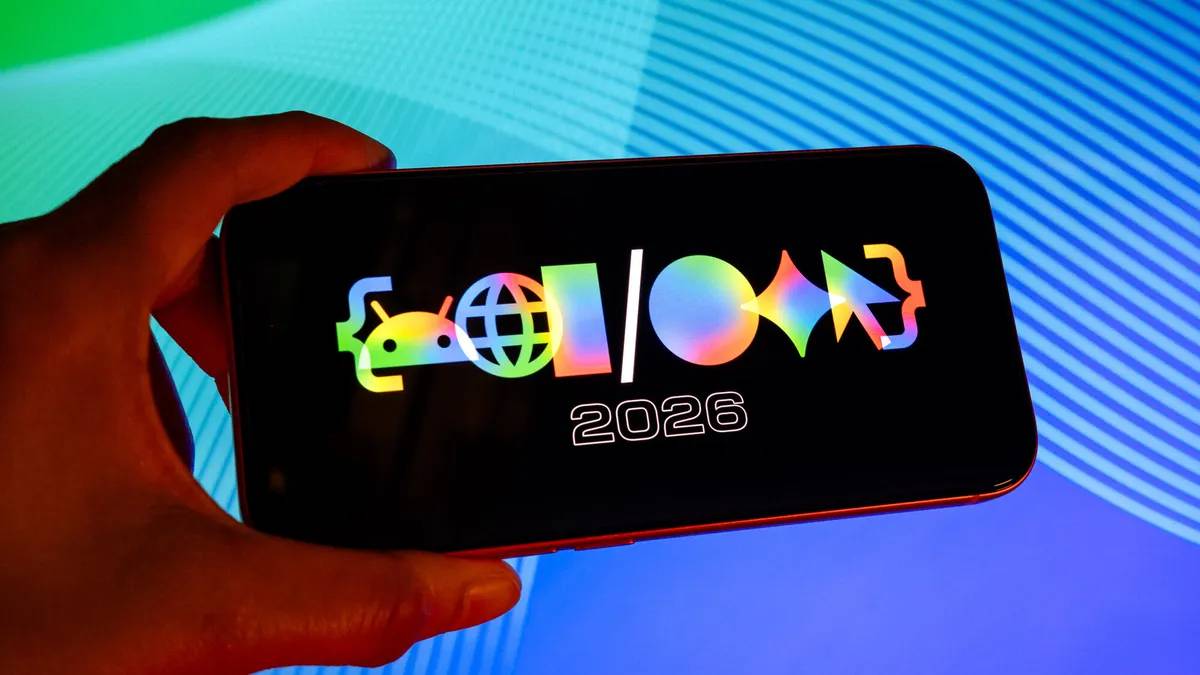
Google I/O 2026 Focuses on AI Platforms

Google I/O 2026 is anticipated to highlight new AI-driven products, updates to developer tools, and expanded capabilities across its AI platforms.

April 28, 2026
|

Google I/O 2026 is expected to showcase Google’s latest advancements in artificial intelligence, with a strong focus on AI platforms and AI frameworks. The event is positioned as a critical moment for developers and enterprises, with implications for software ecosystems, cloud infrastructure, and global technology strategy.

Google I/O 2026 is anticipated to highlight new AI-driven products, updates to developer tools, and expanded capabilities across its AI platforms. Key announcements are expected to focus on generative AI integration, multimodal models, and improvements to AI frameworks used across Google’s ecosystem.

The event will bring together developers, enterprise leaders, and technology partners to explore next-generation applications of AI across search, cloud, and productivity tools. Google is expected to further align its product stack around AI-first experiences. The conference will also serve as a strategic showcase of how AI is being embedded across consumer and enterprise technologies.

The development aligns with a broader trend across global markets where major technology companies are restructuring their ecosystems around AI platforms and AI frameworks. Annual developer conferences have increasingly become launchpads for AI-driven transformation strategies. Companies such as Google, Microsoft, and OpenAI are competing to define the next generation of software infrastructure, where AI is no longer an add-on but a foundational layer.

Historically, events like Google I/O have marked key shifts in computing paradigms from mobile-first development to cloud-native architectures. The current transition reflects a move toward AI-native ecosystems, where developers build applications around intelligent agents, automation, and real-time inference capabilities.

This shift is reshaping enterprise software, consumer applications, and digital infrastructure globally. Industry analysts expect Google I/O 2026 to reinforce the company’s leadership in AI platform development. Experts suggest that advancements in AI frameworks could significantly accelerate enterprise adoption of generative AI tools.

Technology observers note that Google’s ability to integrate AI across its entire ecosystem from search to cloud to productivity tools gives it a strategic advantage in scaling AI adoption globally.

However, analysts also caution that competition remains intense, with rival firms aggressively expanding their own AI platforms and developer ecosystems. The success of Google’s strategy will depend on developer engagement, ease of integration, and performance of underlying AI models. Market analysts further highlight that enterprise demand for scalable AI frameworks will be a key driver of cloud revenue growth in the coming years.

For businesses, the expansion of AI platforms and AI frameworks could accelerate automation, improve decision-making systems, and reshape software development lifecycles. Enterprises may increasingly rely on AI-native tools for productivity and operations.

For investors, Google I/O serves as a signal of future monetization opportunities across cloud and AI services. Policymakers may also pay closer attention to AI governance, data usage, and competitive dynamics in digital ecosystems. For global executives, the event underscores the importance of aligning digital transformation strategies with rapidly evolving AI infrastructure standards.

Looking ahead, announcements at Google I/O 2026 will be closely watched for signals on AI monetization and ecosystem expansion. Developer adoption and enterprise integration will be key success indicators.

Decision-makers should monitor how Google evolves its AI platforms and AI frameworks in response to competitive pressure. The outcomes of this event may shape the next phase of global AI infrastructure development.

Source: CNET
Date: April 2026

  • Featured tools
WellSaid Ai
Free

WellSaid AI is an advanced text-to-speech platform that transforms written text into lifelike, human-quality voiceovers.

#
Text to Speech
Learn more
Ai Fiesta
Paid

AI Fiesta is an all-in-one productivity platform that gives users access to multiple leading AI models through a single interface. It includes features like prompt enhancement, image generation, audio transcription and side-by-side model comparison.

#
Copywriting
#
Art Generator
Learn more

Learn more about future of AI

Join 80,000+ Ai enthusiast getting weekly updates on exciting AI tools.
Thank you! Your submission has been received!
Oops! Something went wrong while submitting the form.

Google I/O 2026 Focuses on AI Platforms

April 28, 2026

Google I/O 2026 is anticipated to highlight new AI-driven products, updates to developer tools, and expanded capabilities across its AI platforms.

Google I/O 2026 is expected to showcase Google’s latest advancements in artificial intelligence, with a strong focus on AI platforms and AI frameworks. The event is positioned as a critical moment for developers and enterprises, with implications for software ecosystems, cloud infrastructure, and global technology strategy.

Google I/O 2026 is anticipated to highlight new AI-driven products, updates to developer tools, and expanded capabilities across its AI platforms. Key announcements are expected to focus on generative AI integration, multimodal models, and improvements to AI frameworks used across Google’s ecosystem.

The event will bring together developers, enterprise leaders, and technology partners to explore next-generation applications of AI across search, cloud, and productivity tools. Google is expected to further align its product stack around AI-first experiences. The conference will also serve as a strategic showcase of how AI is being embedded across consumer and enterprise technologies.

The development aligns with a broader trend across global markets where major technology companies are restructuring their ecosystems around AI platforms and AI frameworks. Annual developer conferences have increasingly become launchpads for AI-driven transformation strategies. Companies such as Google, Microsoft, and OpenAI are competing to define the next generation of software infrastructure, where AI is no longer an add-on but a foundational layer.

Historically, events like Google I/O have marked key shifts in computing paradigms from mobile-first development to cloud-native architectures. The current transition reflects a move toward AI-native ecosystems, where developers build applications around intelligent agents, automation, and real-time inference capabilities.

This shift is reshaping enterprise software, consumer applications, and digital infrastructure globally. Industry analysts expect Google I/O 2026 to reinforce the company’s leadership in AI platform development. Experts suggest that advancements in AI frameworks could significantly accelerate enterprise adoption of generative AI tools.

Technology observers note that Google’s ability to integrate AI across its entire ecosystem from search to cloud to productivity tools gives it a strategic advantage in scaling AI adoption globally.

However, analysts also caution that competition remains intense, with rival firms aggressively expanding their own AI platforms and developer ecosystems. The success of Google’s strategy will depend on developer engagement, ease of integration, and performance of underlying AI models. Market analysts further highlight that enterprise demand for scalable AI frameworks will be a key driver of cloud revenue growth in the coming years.

For businesses, the expansion of AI platforms and AI frameworks could accelerate automation, improve decision-making systems, and reshape software development lifecycles. Enterprises may increasingly rely on AI-native tools for productivity and operations.

For investors, Google I/O serves as a signal of future monetization opportunities across cloud and AI services. Policymakers may also pay closer attention to AI governance, data usage, and competitive dynamics in digital ecosystems. For global executives, the event underscores the importance of aligning digital transformation strategies with rapidly evolving AI infrastructure standards.

Looking ahead, announcements at Google I/O 2026 will be closely watched for signals on AI monetization and ecosystem expansion. Developer adoption and enterprise integration will be key success indicators.

Decision-makers should monitor how Google evolves its AI platforms and AI frameworks in response to competitive pressure. The outcomes of this event may shape the next phase of global AI infrastructure development.

Source: CNET
Date: April 2026

Promote Your Tool

Copy Embed Code

Similar Blogs

April 28, 2026
|

iPad Air M3 Gets Clearance Discounts

Amazon and other retailers are actively clearing final units of the M3 iPad Air model through significant price reductions.
Read more
April 28, 2026
|

GM Advances AI-Designed Vehicle Development Strategy

General Motors is reportedly advancing the use of AI systems in vehicle design, leveraging machine learning models to assist in shaping next-generation automotive concepts.
Read more
April 28, 2026
|

Canva AI Tool Incident Sparks Backlash

Canva confirmed issues with its AI feature after users reported that the system replaced or altered references to “Palestine” in design outputs.
Read more
April 28, 2026
|

Amazon Kindle Paperwhite Gets Price Cut Ahead Demand

The latest deal on the Kindle Paperwhite includes a $25 discount, alongside features such as waterproofing and glare-free display technology. The promotion is positioned to capture seasonal demand during the Mother’s Day shopping period.
Read more
April 28, 2026
|

Google I/O 2026 Focuses on AI Platforms

Google I/O 2026 is anticipated to highlight new AI-driven products, updates to developer tools, and expanded capabilities across its AI platforms.
Read more
April 28, 2026
|

Xreal Cuts One Pro Price, Boosting AR Competition

Xreal has permanently reduced the price of its One Pro AR glasses, aiming to improve accessibility and broaden consumer adoption of its augmented reality ecosystem.
Read more