



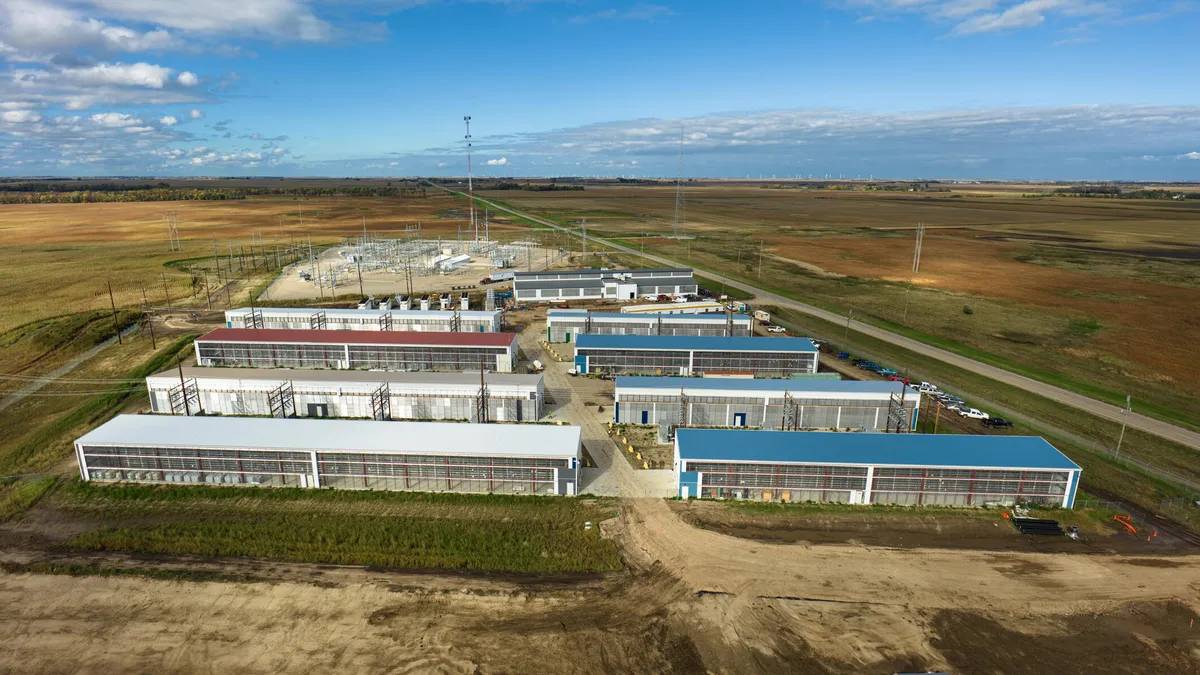
A growing public accountability movement is taking shape as environmental activist Erin Brockovich launches efforts to map community concerns around rapidly expanding data center infrastructure. The initiative highlights rising tensions between AI-driven digital growth and local environmental, energy, and resource pressures, with implications for regulators, technology firms, and infrastructure planners.
Erin Brockovich is supporting the creation of a community-driven database aimed at documenting concerns related to data center development across the United States. The initiative encourages residents to report issues such as water usage, energy consumption, and environmental impact associated with new digital infrastructure projects.
The effort comes as global demand for AI infrastructure accelerates, driving rapid expansion of data centers in multiple regions. Technology companies and cloud providers continue to scale compute capacity to support generative AI workloads, intensifying pressure on local utilities and land use systems.
The project seeks to increase transparency and public visibility into where and how data centers are being built. The initiative led by Erin Brockovich reflects growing scrutiny of the environmental footprint of the global AI infrastructure boom. As artificial intelligence adoption expands, data centers have become critical infrastructure, consuming significant amounts of electricity and water for cooling and continuous operation.
Across the United States, Europe, and parts of Asia, communities have raised concerns about strain on local power grids, water resources, and land development policies. This has created a tension between digital transformation goals and environmental sustainability targets.
Historically, infrastructure expansion in energy-intensive industries has often faced local resistance when environmental or resource pressures intensify. The current wave of AI-driven construction is accelerating this dynamic, as hyperscale cloud providers and AI firms race to build capacity for training and inference workloads.
The initiative aligns with broader global debates on sustainable technology development and responsible AI infrastructure scaling. Environmental analysts suggest that the database initiative led by Erin Brockovich could increase public accountability for data center development decisions. Experts argue that improved transparency may influence permitting processes and encourage more sustainable infrastructure planning.
Energy policy specialists note that data centers are becoming one of the fastest-growing sources of electricity demand in several regions, driven largely by AI workloads. This has prompted discussions around grid capacity planning, renewable energy integration, and water usage efficiency.
Industry observers emphasize that while technology companies increasingly highlight sustainability commitments, local communities often lack visibility into the environmental impact of new facilities. However, some analysts caution that overly fragmented reporting systems could slow infrastructure development needed for AI competitiveness.
No formal corporate responses were included in the original report, but stakeholders in the cloud industry are expected to closely monitor the initiative’s reach and influence. For businesses, the initiative signals rising reputational and regulatory scrutiny around data center expansion. Technology firms may face increased pressure to disclose environmental impact metrics and engage more directly with local communities during project planning.
For investors, sustainability risks tied to AI infrastructure could become a more prominent factor in evaluating cloud and AI-related companies. Energy usage, water dependency, and permitting delays may influence long-term infrastructure valuations.
From a policy standpoint, governments may be prompted to introduce stricter reporting requirements for data center developments. This could include environmental impact assessments, resource usage disclosures, and stronger community consultation frameworks as AI infrastructure demand continues to grow.
The effectiveness of Erin Brockovich’s initiative will depend on adoption scale and regulatory engagement. Key developments to watch include community participation levels, policy responses, and potential integration into formal environmental oversight systems. As AI infrastructure expansion accelerates, balancing technological growth with environmental sustainability is expected to become an increasingly central policy and business challenge.
Source: CNET
Date: June 3, 2026


