
Iran US Summit Opens in Switzerland

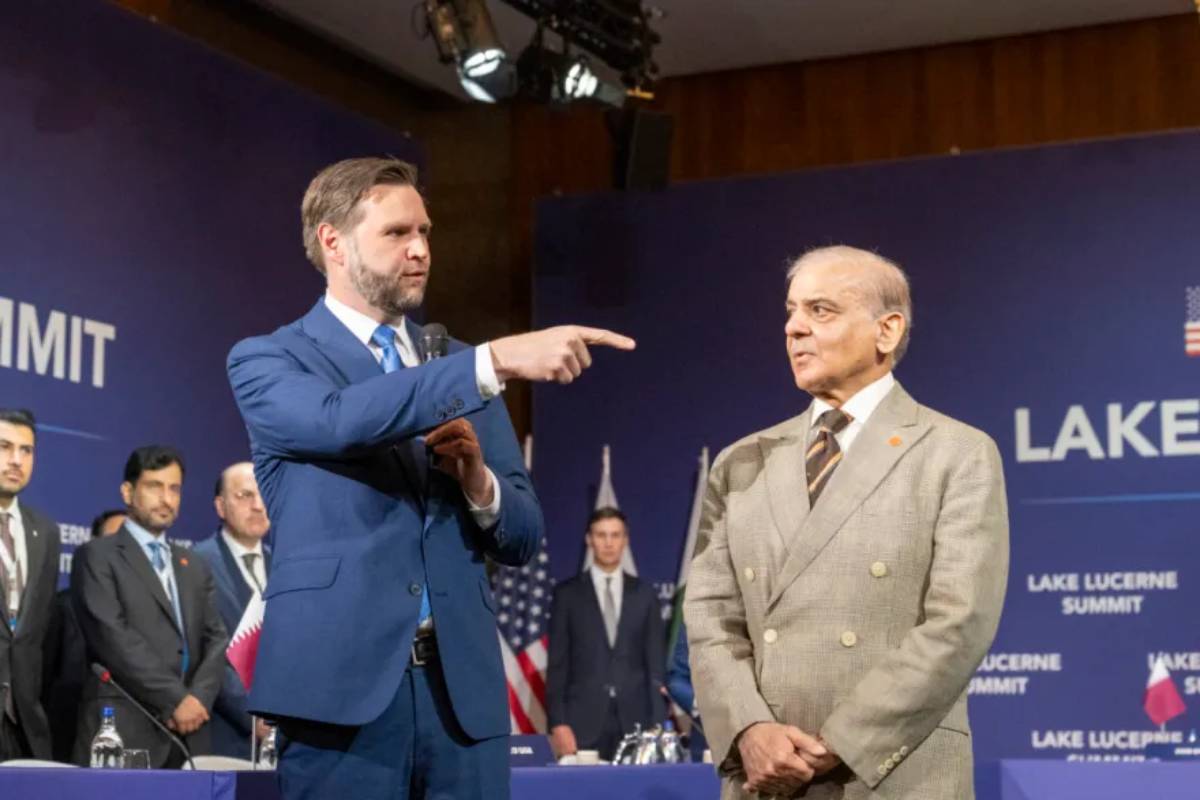
Delegations from Iran and the United States have convened at the Bürgenstock venue in Switzerland for structured diplomatic discussions.

June 23, 2026
|
Image Source: Swissinfo

The Iran–US summit at Bürgenstock has officially begun in Switzerland, marking a rare high-level diplomatic engagement between the two geopolitical rivals. The talks are being closely watched for signals of de-escalation, with potential implications for regional stability, energy markets, and broader international security architecture.

Delegations from Iran and the United States have convened at the Bürgenstock venue in Switzerland for structured diplomatic discussions. The summit aims to address longstanding disputes, including nuclear concerns, sanctions frameworks, and regional security tensions.

The meeting is facilitated under Swiss diplomatic neutrality, reinforcing Switzerland’s long-standing role as an intermediary in sensitive international negotiations. While no immediate breakthroughs have been announced, the formal initiation of talks represents a critical step in re-establishing direct dialogue channels.

The summit comes amid heightened geopolitical volatility in the Middle East, with global stakeholders closely monitoring potential outcomes that could influence diplomatic alignments and energy security considerations.

Iran–US relations have been defined by decades of diplomatic tension, economic sanctions, and intermittent negotiation efforts. The nuclear agreement framework established under the JCPOA previously demonstrated that structured diplomacy can temporarily stabilize relations, but long-term trust deficits have persisted.

Switzerland has historically played a neutral facilitation role in US–Iran relations, often acting as an intermediary for diplomatic communication. The Bürgenstock summit reflects renewed international efforts to revive structured dialogue at a time when geopolitical fragmentation is intensifying across multiple regions.

Global energy markets, nuclear non-proliferation regimes, and Middle Eastern security dynamics are directly influenced by the trajectory of these talks. As such, even the initiation of formal discussions carries significance beyond bilateral relations, extending into global economic and strategic stability considerations.

Geopolitical analysts interpret the convening of the summit as a cautiously optimistic signal, emphasizing that the resumption of structured dialogue itself represents incremental progress. Experts note that while expectations for immediate breakthroughs remain limited, sustained engagement reduces the risk of escalation.

Security policy observers highlight that Iran–US discussions often serve as indicators for broader regional stability, particularly in relation to proxy conflicts and maritime security in key shipping corridors. Diplomatic specialists further underline Switzerland’s continued relevance as a trusted neutral venue for conflict mediation.

Although detailed official statements from negotiators remain limited at this stage, international relations experts suggest that maintaining dialogue continuity is a strategic objective in itself, helping prevent further deterioration in already fragile geopolitical conditions.

For global energy markets, the summit introduces a potential stabilizing factor, particularly regarding oil price volatility and sanctions risk assessments. Even incremental diplomatic progress can influence investor sentiment and long-term supply chain planning.

Businesses operating in energy, logistics, and international trade are expected to closely track developments, especially in relation to sanctions policy shifts. Governments may also reassess diplomatic postures depending on negotiation trajectories.

For executives, the key implication is that geopolitical diplomacy remains a critical macroeconomic variable. Any sustained progress could gradually reduce risk premiums associated with Middle Eastern instability and reshape strategic planning assumptions across global markets.

The summit’s immediate outcome will depend on whether discussions progress beyond exploratory dialogue into structured negotiation frameworks. Key indicators include follow-up meetings, policy proposals, and multilateral engagement. While uncertainty remains high, the mere continuation of talks reduces near-term escalation risks. Global observers will closely monitor whether this engagement translates into measurable diplomatic traction in the coming phases.

Source: Swissinfo
Date: June 23, 2026

  • Featured tools
Upscayl AI
Free

Upscayl AI is a free, open-source AI-powered tool that enhances and upscales images to higher resolutions. It transforms blurry or low-quality visuals into sharp, detailed versions with ease.

#
Productivity
Learn more
Hostinger Website Builder
Paid

Hostinger Website Builder is a drag-and-drop website creator bundled with hosting and AI-powered tools, designed for businesses, blogs and small shops with minimal technical effort.It makes launching a site fast and affordable, with templates, responsive design and built-in hosting all in one.

#
Productivity
#
Startup Tools
#
Ecommerce
Learn more

Learn more about future of AI

Join 80,000+ Ai enthusiast getting weekly updates on exciting AI tools.
Thank you! Your submission has been received!
Oops! Something went wrong while submitting the form.

Iran US Summit Opens in Switzerland

June 23, 2026

Delegations from Iran and the United States have convened at the Bürgenstock venue in Switzerland for structured diplomatic discussions.

Image Source: Swissinfo

The Iran–US summit at Bürgenstock has officially begun in Switzerland, marking a rare high-level diplomatic engagement between the two geopolitical rivals. The talks are being closely watched for signals of de-escalation, with potential implications for regional stability, energy markets, and broader international security architecture.

Delegations from Iran and the United States have convened at the Bürgenstock venue in Switzerland for structured diplomatic discussions. The summit aims to address longstanding disputes, including nuclear concerns, sanctions frameworks, and regional security tensions.

The meeting is facilitated under Swiss diplomatic neutrality, reinforcing Switzerland’s long-standing role as an intermediary in sensitive international negotiations. While no immediate breakthroughs have been announced, the formal initiation of talks represents a critical step in re-establishing direct dialogue channels.

The summit comes amid heightened geopolitical volatility in the Middle East, with global stakeholders closely monitoring potential outcomes that could influence diplomatic alignments and energy security considerations.

Iran–US relations have been defined by decades of diplomatic tension, economic sanctions, and intermittent negotiation efforts. The nuclear agreement framework established under the JCPOA previously demonstrated that structured diplomacy can temporarily stabilize relations, but long-term trust deficits have persisted.

Switzerland has historically played a neutral facilitation role in US–Iran relations, often acting as an intermediary for diplomatic communication. The Bürgenstock summit reflects renewed international efforts to revive structured dialogue at a time when geopolitical fragmentation is intensifying across multiple regions.

Global energy markets, nuclear non-proliferation regimes, and Middle Eastern security dynamics are directly influenced by the trajectory of these talks. As such, even the initiation of formal discussions carries significance beyond bilateral relations, extending into global economic and strategic stability considerations.

Geopolitical analysts interpret the convening of the summit as a cautiously optimistic signal, emphasizing that the resumption of structured dialogue itself represents incremental progress. Experts note that while expectations for immediate breakthroughs remain limited, sustained engagement reduces the risk of escalation.

Security policy observers highlight that Iran–US discussions often serve as indicators for broader regional stability, particularly in relation to proxy conflicts and maritime security in key shipping corridors. Diplomatic specialists further underline Switzerland’s continued relevance as a trusted neutral venue for conflict mediation.

Although detailed official statements from negotiators remain limited at this stage, international relations experts suggest that maintaining dialogue continuity is a strategic objective in itself, helping prevent further deterioration in already fragile geopolitical conditions.

For global energy markets, the summit introduces a potential stabilizing factor, particularly regarding oil price volatility and sanctions risk assessments. Even incremental diplomatic progress can influence investor sentiment and long-term supply chain planning.

Businesses operating in energy, logistics, and international trade are expected to closely track developments, especially in relation to sanctions policy shifts. Governments may also reassess diplomatic postures depending on negotiation trajectories.

For executives, the key implication is that geopolitical diplomacy remains a critical macroeconomic variable. Any sustained progress could gradually reduce risk premiums associated with Middle Eastern instability and reshape strategic planning assumptions across global markets.

The summit’s immediate outcome will depend on whether discussions progress beyond exploratory dialogue into structured negotiation frameworks. Key indicators include follow-up meetings, policy proposals, and multilateral engagement. While uncertainty remains high, the mere continuation of talks reduces near-term escalation risks. Global observers will closely monitor whether this engagement translates into measurable diplomatic traction in the coming phases.

Source: Swissinfo
Date: June 23, 2026

Promote Your Tool

Copy Embed Code

Similar Blogs

June 23, 2026
|

Sokin Secures European Payments License

Sokin has acquired Norwegian fintech firm Settle in a transaction that provides access to a valuable Electronic Money Institution (EMI) license.
Read more
June 23, 2026
|

Twin Prime Bets Defence AI

Twin Prime has secured $10 million in fresh funding to expand its defence-focused AI systems, which prioritize sensor fusion, detection, and real-time environmental interpretation over generative or chatbot-based models.
Read more
June 23, 2026
|

Northzone Backs Physical AI Shift

Northzone has appointed a new partner to lead its physical AI investment strategy, marking a deliberate shift toward embodied intelligence—systems that interact directly with physical environments.
Read more
June 23, 2026
|

Switzerland Hosts Iran US Technical Talks

The upcoming technical-level discussions between Iranian and US representatives will focus on procedural and issue-specific frameworks rather than high-level political agreements.
Read more
June 23, 2026
|

Switzerland Extends Ukrainian Protection Status

Swiss federal authorities are reviewing the possibility of extending S protection status, which grants temporary residence rights and access to essential services for Ukrainian nationals fleeing the war.
Read more
June 23, 2026
|

Swiss FM Engages Iran Diplomacy

Swiss Foreign Minister Ignazio Cassis held formal discussions with Iran’s foreign minister, focusing on bilateral relations and broader regional security dynamics.
Read more