
Keragon Advances Healthcare Workflow Automation

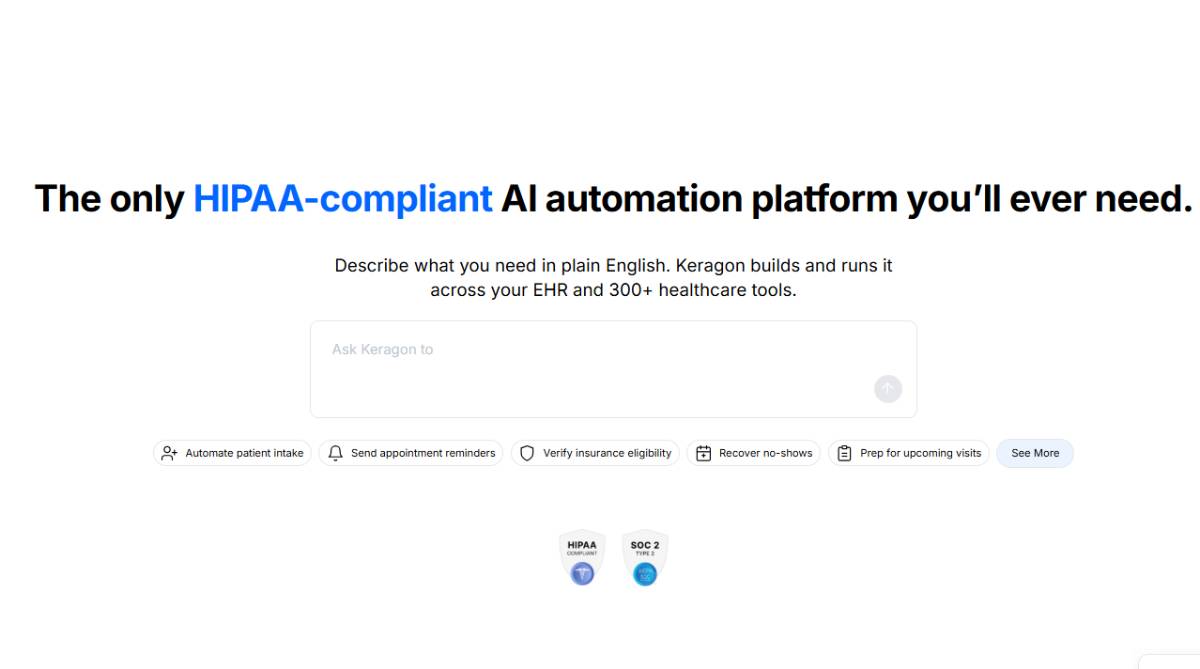
Keragon provides a no-code automation platform focused specifically on healthcare workflows. The technology enables organizations to connect healthcare applications.

August 11, 2026
|

Keragon is advancing healthcare automation with a platform designed to connect healthcare applications and automate repetitive workflows. Its approach addresses a growing challenge for providers and healthcare organizations: fragmented digital systems that require staff to move information manually between applications, increasing administrative workloads and limiting operational efficiency.

Keragon provides a no-code automation platform focused specifically on healthcare workflows. The technology enables organizations to connect healthcare applications, transfer information between systems and automate repetitive administrative processes without requiring traditional software development.

Its approach is designed to support workflows involving patient information, scheduling, communication, documentation and other operational processes. By connecting otherwise separate applications, healthcare organizations can reduce manual data entry and create more consistent digital workflows.

The platform reflects a broader movement toward healthcare interoperability and automation. As providers adopt more specialized digital tools, the need to make those systems communicate effectively is becoming increasingly important. For executives, workflow automation can potentially improve productivity while allowing clinical and administrative staff to focus more heavily on higher-value responsibilities.

The development comes against a backdrop of rapid healthcare digitization. Providers have adopted electronic health records, scheduling systems, patient engagement platforms, billing applications and specialized clinical software, but these systems do not always operate seamlessly together.

This fragmentation can create administrative friction. Staff may need to transfer information manually between applications, repeat data-entry tasks or maintain workflows that depend on spreadsheets and other temporary solutions.

Healthcare automation platforms are emerging as a response to this problem. Rather than replacing existing systems, they can connect them and automate defined processes across multiple applications. The no-code approach can also allow operational teams to create workflows without relying entirely on specialized developers.

For healthcare executives, the strategic importance is significant. Automation can support operational scalability, reduce repetitive administrative work and improve information flow. However, healthcare data is highly sensitive, making security, compliance and governance central to technology adoption.

Healthcare technology specialists increasingly identify interoperability and workflow automation as important priorities as digital systems become more complex. The challenge is no longer simply adopting new software, but ensuring that existing applications can work together efficiently.

Keragon's healthcare-specific positioning reflects this requirement. By focusing on integrations and automated workflows, the platform seeks to address operational gaps between healthcare applications rather than requiring organizations to replace their existing technology infrastructure.

For executives, the potential value lies in automating repetitive processes while maintaining existing systems. However, successful deployment requires careful workflow design, access controls and monitoring.

Industry experts would also emphasize the importance of data accuracy. An automated workflow can accelerate processes, but poorly configured automation can propagate errors just as quickly. Healthcare organizations therefore need appropriate testing, human oversight and governance before automating sensitive processes.

The broader market is likely to favor platforms that combine usability with strong security and compliance capabilities. For healthcare organizations, workflow automation could reduce administrative workloads, improve operational consistency and allow staff to spend more time on patient-facing or strategic activities. Automation may also support organizations dealing with growing patient volumes without proportionally increasing administrative resources.

For executives, the business case depends on measurable improvements in productivity, process speed and operational reliability. Integration with existing systems can also reduce the disruption associated with replacing established healthcare applications.

Policy implications are particularly important because healthcare automation involves sensitive information. Organizations must consider privacy requirements, security controls, access permissions, data retention and regulatory compliance.

Investors and technology leaders should therefore evaluate healthcare automation platforms not only on the number of integrations they provide, but also on reliability, governance, scalability and their ability to operate within regulated healthcare environments.

Healthcare automation is likely to expand as providers seek greater interoperability and operational efficiency. Future platforms may combine workflow automation with artificial intelligence, predictive analytics and more sophisticated healthcare data orchestration.

Decision-makers should watch how vendors address security, compliance and automation accuracy as adoption grows. The strongest solutions will be those that connect fragmented healthcare systems while improving efficiency without compromising patient-data protection or organizational control.

Source: Crozdesk; Keragon
Date: August 11, 2026

  • Featured tools
Scalenut AI
Free

Scalenut AI is an all-in-one SEO content platform that combines AI-driven writing, keyword research, competitor insights, and optimization tools to help you plan, create, and rank content.

#
SEO
Learn more
Surfer AI
Free

Surfer AI is an AI-powered content creation assistant built into the Surfer SEO platform, designed to generate SEO-optimized articles from prompts, leveraging data from search results to inform tone, structure, and relevance.

#
SEO
Learn more

Learn more about future of AI

Join 80,000+ Ai enthusiast getting weekly updates on exciting AI tools.
Thank you! Your submission has been received!
Oops! Something went wrong while submitting the form.

Keragon Advances Healthcare Workflow Automation

August 11, 2026

Keragon provides a no-code automation platform focused specifically on healthcare workflows. The technology enables organizations to connect healthcare applications.

Keragon is advancing healthcare automation with a platform designed to connect healthcare applications and automate repetitive workflows. Its approach addresses a growing challenge for providers and healthcare organizations: fragmented digital systems that require staff to move information manually between applications, increasing administrative workloads and limiting operational efficiency.

Keragon provides a no-code automation platform focused specifically on healthcare workflows. The technology enables organizations to connect healthcare applications, transfer information between systems and automate repetitive administrative processes without requiring traditional software development.

Its approach is designed to support workflows involving patient information, scheduling, communication, documentation and other operational processes. By connecting otherwise separate applications, healthcare organizations can reduce manual data entry and create more consistent digital workflows.

The platform reflects a broader movement toward healthcare interoperability and automation. As providers adopt more specialized digital tools, the need to make those systems communicate effectively is becoming increasingly important. For executives, workflow automation can potentially improve productivity while allowing clinical and administrative staff to focus more heavily on higher-value responsibilities.

The development comes against a backdrop of rapid healthcare digitization. Providers have adopted electronic health records, scheduling systems, patient engagement platforms, billing applications and specialized clinical software, but these systems do not always operate seamlessly together.

This fragmentation can create administrative friction. Staff may need to transfer information manually between applications, repeat data-entry tasks or maintain workflows that depend on spreadsheets and other temporary solutions.

Healthcare automation platforms are emerging as a response to this problem. Rather than replacing existing systems, they can connect them and automate defined processes across multiple applications. The no-code approach can also allow operational teams to create workflows without relying entirely on specialized developers.

For healthcare executives, the strategic importance is significant. Automation can support operational scalability, reduce repetitive administrative work and improve information flow. However, healthcare data is highly sensitive, making security, compliance and governance central to technology adoption.

Healthcare technology specialists increasingly identify interoperability and workflow automation as important priorities as digital systems become more complex. The challenge is no longer simply adopting new software, but ensuring that existing applications can work together efficiently.

Keragon's healthcare-specific positioning reflects this requirement. By focusing on integrations and automated workflows, the platform seeks to address operational gaps between healthcare applications rather than requiring organizations to replace their existing technology infrastructure.

For executives, the potential value lies in automating repetitive processes while maintaining existing systems. However, successful deployment requires careful workflow design, access controls and monitoring.

Industry experts would also emphasize the importance of data accuracy. An automated workflow can accelerate processes, but poorly configured automation can propagate errors just as quickly. Healthcare organizations therefore need appropriate testing, human oversight and governance before automating sensitive processes.

The broader market is likely to favor platforms that combine usability with strong security and compliance capabilities. For healthcare organizations, workflow automation could reduce administrative workloads, improve operational consistency and allow staff to spend more time on patient-facing or strategic activities. Automation may also support organizations dealing with growing patient volumes without proportionally increasing administrative resources.

For executives, the business case depends on measurable improvements in productivity, process speed and operational reliability. Integration with existing systems can also reduce the disruption associated with replacing established healthcare applications.

Policy implications are particularly important because healthcare automation involves sensitive information. Organizations must consider privacy requirements, security controls, access permissions, data retention and regulatory compliance.

Investors and technology leaders should therefore evaluate healthcare automation platforms not only on the number of integrations they provide, but also on reliability, governance, scalability and their ability to operate within regulated healthcare environments.

Healthcare automation is likely to expand as providers seek greater interoperability and operational efficiency. Future platforms may combine workflow automation with artificial intelligence, predictive analytics and more sophisticated healthcare data orchestration.

Decision-makers should watch how vendors address security, compliance and automation accuracy as adoption grows. The strongest solutions will be those that connect fragmented healthcare systems while improving efficiency without compromising patient-data protection or organizational control.

Source: Crozdesk; Keragon
Date: August 11, 2026

Promote Your Tool

Copy Embed Code

Similar Blogs

August 13, 2026
|

Coevera Advances AI-Driven Sales Management

Coevera combines visual sales pipeline management with automation, reporting and AI-assisted capabilities designed for modern sales organizations. Its platform enables teams to organize opportunities, monitor deal progression and centralize customer information.
Read more
August 13, 2026
|

Manager.io Advances Accessible Digital Accounting

Manager.io is designed to support core accounting activities including invoicing, expenses, payments, financial reporting and transaction management.
Read more
August 13, 2026
|

When I Work Strengthens Workforce Management

When I Work provides workforce-management capabilities centered on employee scheduling, time tracking, attendance and workplace communication. Businesses can create and distribute schedules while employees can access shifts and communicate around their work commitments.
Read more
August 13, 2026
|

Hipolink Expands Digital Link Management

Hipolink enables users to create a customizable landing page containing multiple links, allowing audiences to access websites, social profiles, products, contact channels and other digital destinations from a single URL.
Read more
August 13, 2026
|

FormSwift Advances Digital Document Management

FormSwift provides online tools for creating and editing business documents, legal forms, contracts, agreements and other commonly used paperwork.
Read more
August 13, 2026
|

eScribe Advances Digital Meeting Governance

eScribe provides digital tools for managing meeting agendas, minutes, board materials and governance workflows.
Read more