



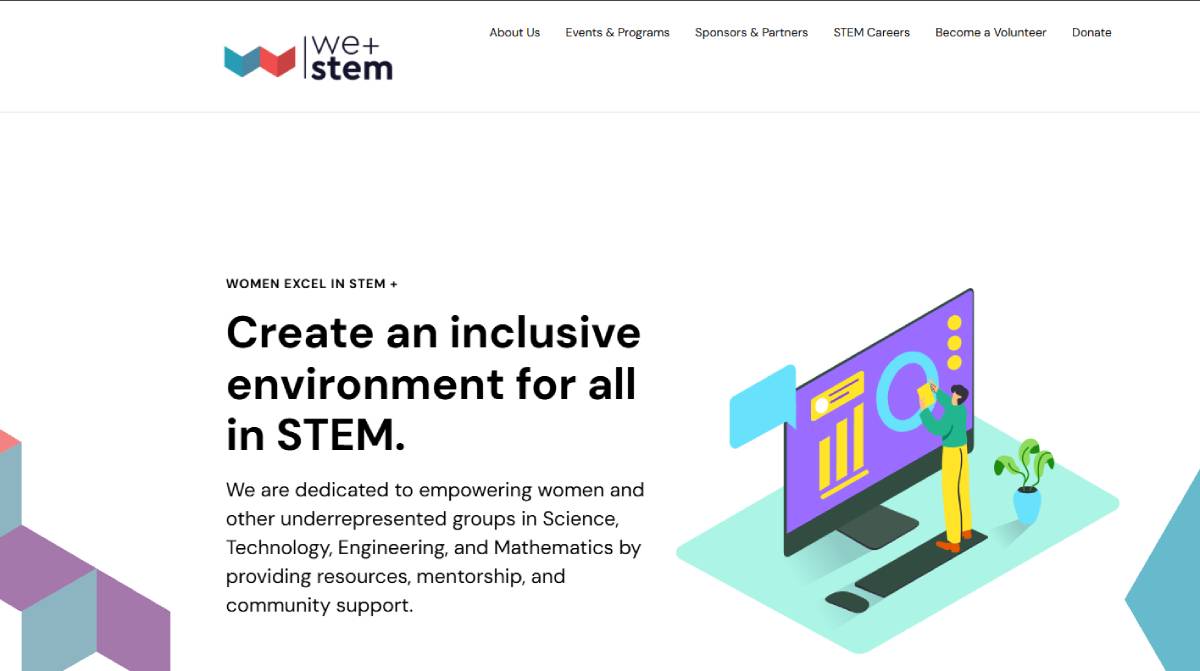
Luxembourg continues to face challenges in improving female representation across science, technology, engineering, and mathematics (STEM), despite ongoing initiatives to promote diversity. The issue carries significant implications for innovation, economic competitiveness, and workforce development as governments and businesses worldwide compete for highly skilled technical talent.
Industry leaders and education advocates have highlighted the need for stronger efforts to attract, support, and retain women in STEM careers across Luxembourg. While awareness initiatives and educational programs have expanded in recent years, women remain underrepresented in many technical professions and leadership positions. Experts argue that addressing gender imbalance requires sustained collaboration between schools, universities, employers, and policymakers.
Organizations are increasingly investing in mentorship programs, inclusive workplace cultures, flexible career pathways, and leadership development to encourage greater female participation. The discussion reinforces that diversity is becoming a strategic priority for strengthening innovation capacity and meeting future workforce demands.
The challenge reflects a broader global effort to improve gender diversity within STEM industries, which remain essential drivers of economic growth, technological innovation, and digital transformation. Despite increased educational opportunities, women continue to be underrepresented in engineering, computer science, artificial intelligence, and other high-growth technical sectors across many advanced economies.
Governments, universities, and multinational companies have introduced scholarship programs, mentorship initiatives, and diversity policies aimed at closing the gender gap. However, cultural perceptions, limited representation in leadership roles, and unconscious workplace bias continue to affect career progression for many women.
For Luxembourg, strengthening female participation in STEM is particularly important as the country expands its technology, cybersecurity, fintech, and research sectors. A more inclusive talent pipeline would enhance innovation, improve competitiveness, and help address long-term skills shortages in strategic industries.
Industry experts emphasize that increasing female participation in STEM requires long-term structural change rather than isolated recruitment campaigns. Analysts argue that encouraging girls to pursue science and technology education from an early age, combined with stronger mentoring and career development opportunities, can significantly improve workforce diversity.
Business leaders also stress that inclusive corporate cultures are essential for retaining female talent and developing future leaders. Flexible working arrangements, equal advancement opportunities, and visible female role models are increasingly viewed as key factors in building more balanced organizations.
Experts further suggest that companies with diverse leadership teams often demonstrate stronger innovation, better decision-making, and improved financial performance, reinforcing the business case for greater gender inclusion across technical industries.
For businesses, improving gender diversity in STEM can strengthen innovation, broaden talent pipelines, and enhance organizational performance. Companies may increasingly invest in inclusive recruitment practices, leadership development programs, and workplace policies designed to attract and retain highly skilled female professionals.
Investors are also paying closer attention to environmental, social, and governance (ESG) performance, making workforce diversity an increasingly important corporate metric. Policymakers, meanwhile, may continue expanding education initiatives, public-private partnerships, and incentives that encourage women to pursue STEM careers. Successfully addressing the gender gap could improve national competitiveness while supporting sustainable economic growth.
Luxembourg's progress in expanding female participation in STEM will depend on sustained collaboration between educators, employers, and government institutions. Decision-makers should monitor workforce diversity trends, education outcomes, and corporate inclusion initiatives as demand for technical talent continues to rise. Building a more inclusive STEM ecosystem is expected to remain a strategic priority for strengthening innovation and long-term economic resilience.
Source: Silicon Luxembourg
Date: July 2026


