



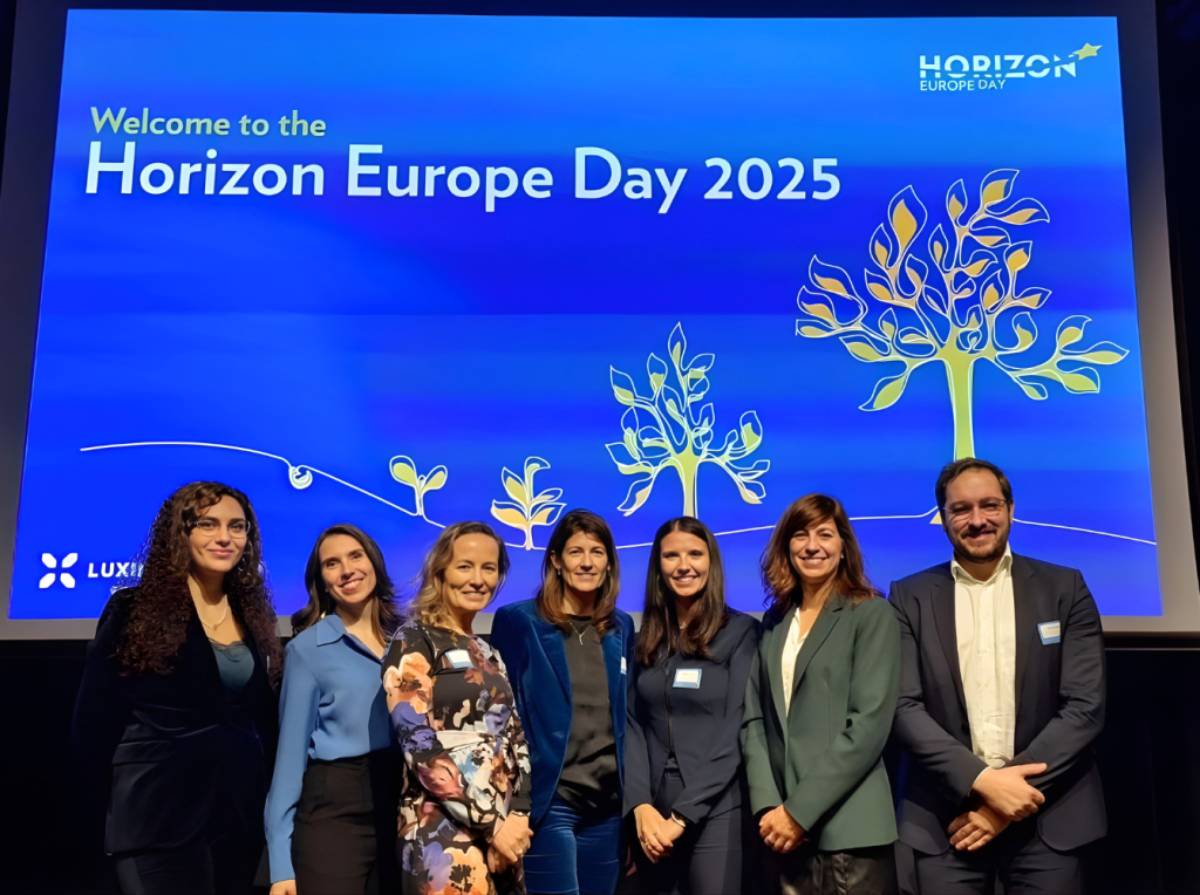
Luxembourg has reaffirmed its growing influence within the European Union's research and innovation ecosystem, highlighting stronger collaboration, increased participation in EU-funded programmes, and long-term investment in science and technology. The developments reinforce the country's ambition to become a leading innovation hub supporting Europe's competitiveness, digital transformation, and sustainable economic growth.
Discussions during Horizon Day 2026 emphasized Luxembourg's expanding participation in European research initiatives and its commitment to strengthening collaboration between academia, startups, industry, and public institutions.
Key priorities include increasing access to Horizon Europe funding, supporting cross-border innovation partnerships, accelerating technology commercialization, and encouraging greater participation from businesses and research organizations. Stakeholders also highlighted the importance of fostering scientific excellence while translating research into commercially viable products and services.
The event reinforced Luxembourg's strategy of positioning itself as an active contributor to Europe's long-term innovation agenda through international cooperation and knowledge-driven economic development.
Research and innovation have become central pillars of the European Union's long-term economic strategy as policymakers seek to strengthen technological sovereignty, industrial competitiveness, and sustainable growth. Through Horizon Europe the EU's flagship research and innovation programme billions of euros continue to support collaborative projects across advanced technologies, healthcare, climate solutions, digital infrastructure, artificial intelligence, and space research.
Although relatively small in size, Luxembourg has steadily expanded its research capabilities through sustained investment in universities, public research institutes, technology companies, and innovation clusters. The country has also cultivated strong international partnerships that enable researchers and businesses to participate in multinational projects while attracting highly skilled talent.
As geopolitical competition intensifies around emerging technologies, European nations increasingly view research collaboration as both an economic and strategic priority, making Luxembourg's growing role particularly significant within the broader European innovation landscape.
Innovation experts emphasize that international collaboration has become essential for addressing increasingly complex scientific and technological challenges. Cross-border research partnerships enable organizations to share expertise, accelerate commercialization, and reduce development costs while improving access to global markets.
Officials participating in Horizon Day highlighted Luxembourg's continued commitment to expanding research excellence through stronger engagement with Horizon Europe and other EU innovation programmes. They also stressed the importance of connecting research institutions with industry to ensure scientific discoveries generate measurable economic and societal benefits.
Analysts note that countries capable of integrating academic research, startup innovation, corporate investment, and public policy are generally better positioned to compete in fast-evolving technology sectors. Luxembourg's collaborative innovation model is increasingly viewed as an example of how smaller economies can achieve significant global influence through strategic specialization and international cooperation.
For businesses, stronger participation in European research programmes creates opportunities to access funding, collaborate with leading research institutions, and accelerate technology development. Startups and scaleups may also benefit from expanded innovation networks that facilitate commercialization and international market expansion.
Investors are likely to view increased research collaboration as supportive of long-term technology growth across sectors including artificial intelligence, cybersecurity, healthtech, advanced manufacturing, and clean technologies. Policymakers are expected to continue strengthening incentives that encourage public-private partnerships while supporting knowledge transfer between academia and industry.
For executives, innovation partnerships are becoming increasingly important drivers of sustainable competitive advantage. Luxembourg is expected to deepen its engagement with Horizon Europe and future EU research initiatives while expanding collaboration across emerging technology sectors. Business leaders should monitor new funding opportunities, international research partnerships, and commercialization programmes that could accelerate innovation and investment. As Europe strengthens its technological capabilities, Luxembourg is well positioned to play an increasingly influential role within the continent's research and innovation ecosystem.
Source: Silicon Luxembourg
Date: July 10, 2026


