
Microsoft Build Unveils AI Developer Ecosystem

At Build 2026, Microsoft unveiled seven key announcements centered on artificial intelligence, cloud infrastructure, and developer platforms.

June 3, 2026
|
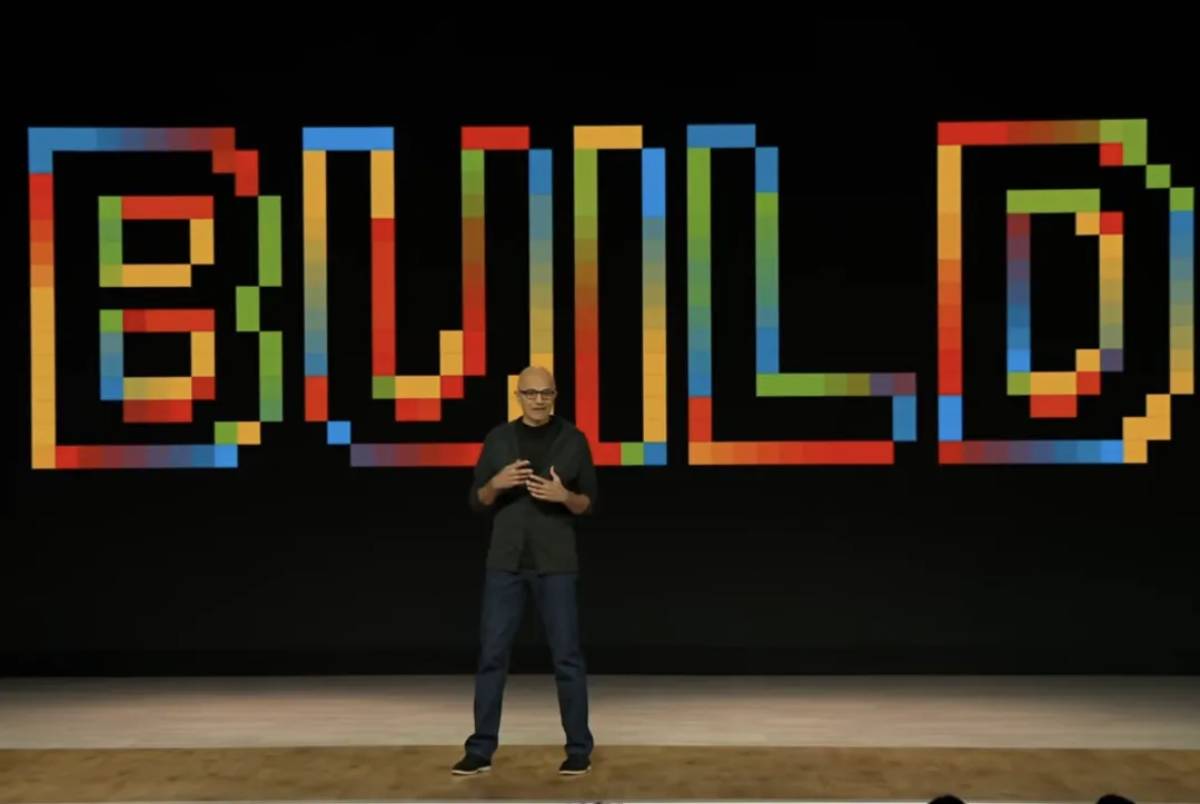
Image Source:  The Verge

A significant shift in enterprise computing strategy was outlined at Microsoft Build 2026, where the company introduced a suite of AI-focused announcements. The updates reinforce its push toward agentic computing, deeper cloud integration, and AI-native developer tooling, reshaping how enterprises build, deploy, and scale digital systems globally.

At Build 2026, Microsoft unveiled seven key announcements centered on artificial intelligence, cloud infrastructure, and developer platforms. The updates include expanded Azure AI capabilities, broader integration of AI copilots across enterprise products, and new frameworks designed for building autonomous AI agents.

The company also introduced enhancements aimed at simplifying AI application deployment and strengthening enterprise security across cloud environments. Interoperability improvements across Microsoft’s ecosystem were also emphasized.

Together, these announcements highlight a coordinated strategy to embed AI across the full technology stack, positioning Microsoft’s cloud and software offerings as foundational infrastructure for enterprise AI adoption.

The strategy outlined by Microsoft reflects a wider industry transformation where artificial intelligence is becoming the core layer of modern computing systems. Across the global technology sector, enterprises are rapidly shifting from traditional software architectures toward AI-native platforms capable of automating complex workflows.

Microsoft has been steadily advancing this transition through its integration of AI copilots into productivity tools and expansion of Azure’s machine learning infrastructure. The Build conference has historically served as a roadmap for developer strategy, but recent editions increasingly focus on AI orchestration and autonomous systems.

This evolution is occurring amid heightened competition among hyperscale cloud providers, all racing to define the standards for enterprise AI deployment. As organizations adopt generative AI at scale, demand is rising for secure, scalable, and interoperable platforms capable of supporting agent-based computing environments.

Analysts view the announcements from Microsoft as a continuation of its strategy to dominate the enterprise AI stack through platform integration rather than isolated product releases. Experts suggest the company is positioning Azure as the central backbone for AI-driven enterprise workflows.

Industry specialists highlight that the expansion of AI agent frameworks could significantly change enterprise software development, shifting it toward orchestration-based models where systems coordinate tasks autonomously. Developer reactions indicate strong interest in simplified tooling and faster deployment pathways for AI-native applications.

However, experts also note potential challenges, including governance complexity, operational reliability, and compliance risks associated with autonomous AI systems. While Microsoft emphasizes productivity and efficiency gains, analysts caution that enterprise adoption will depend heavily on trust, cost structure, and regulatory alignment across different jurisdictions.

For businesses, the shift signals a move toward AI-native enterprise operations, where development cycles are increasingly driven by automated systems and integrated cloud platforms. This may reduce engineering overhead while increasing dependency on large-scale cloud ecosystems.

For investors, Microsoft continues to strengthen its positioning as a core infrastructure provider in the global AI economy, with cloud-AI integration becoming central to growth expectations.

From a policy standpoint, the rise of autonomous AI agents raises important questions around accountability, data security, and regulatory oversight. Governments may need to update digital governance frameworks to address risks associated with automated decision-making in enterprise environments.

The next phase for Microsoft will depend on how effectively its Build 2026 vision translates into real-world enterprise adoption. Key areas to monitor include Azure AI expansion, agent-based workflow maturity, and developer ecosystem growth. Competitive pressure across hyperscale providers will remain strong, and execution will determine how firmly Microsoft maintains its leadership in the evolving AI platform landscape.

Source: The Verge
Date: June 3, 2026

  • Featured tools
Murf Ai
Free

Murf AI Review – Advanced AI Voice Generator for Realistic Voiceovers

#
Text to Speech
Learn more
Ai Fiesta
Paid

AI Fiesta is an all-in-one productivity platform that gives users access to multiple leading AI models through a single interface. It includes features like prompt enhancement, image generation, audio transcription and side-by-side model comparison.

#
Copywriting
#
Art Generator
Learn more

Learn more about future of AI

Join 80,000+ Ai enthusiast getting weekly updates on exciting AI tools.
Thank you! Your submission has been received!
Oops! Something went wrong while submitting the form.

Microsoft Build Unveils AI Developer Ecosystem

June 3, 2026

At Build 2026, Microsoft unveiled seven key announcements centered on artificial intelligence, cloud infrastructure, and developer platforms.

Image Source:  The Verge

A significant shift in enterprise computing strategy was outlined at Microsoft Build 2026, where the company introduced a suite of AI-focused announcements. The updates reinforce its push toward agentic computing, deeper cloud integration, and AI-native developer tooling, reshaping how enterprises build, deploy, and scale digital systems globally.

At Build 2026, Microsoft unveiled seven key announcements centered on artificial intelligence, cloud infrastructure, and developer platforms. The updates include expanded Azure AI capabilities, broader integration of AI copilots across enterprise products, and new frameworks designed for building autonomous AI agents.

The company also introduced enhancements aimed at simplifying AI application deployment and strengthening enterprise security across cloud environments. Interoperability improvements across Microsoft’s ecosystem were also emphasized.

Together, these announcements highlight a coordinated strategy to embed AI across the full technology stack, positioning Microsoft’s cloud and software offerings as foundational infrastructure for enterprise AI adoption.

The strategy outlined by Microsoft reflects a wider industry transformation where artificial intelligence is becoming the core layer of modern computing systems. Across the global technology sector, enterprises are rapidly shifting from traditional software architectures toward AI-native platforms capable of automating complex workflows.

Microsoft has been steadily advancing this transition through its integration of AI copilots into productivity tools and expansion of Azure’s machine learning infrastructure. The Build conference has historically served as a roadmap for developer strategy, but recent editions increasingly focus on AI orchestration and autonomous systems.

This evolution is occurring amid heightened competition among hyperscale cloud providers, all racing to define the standards for enterprise AI deployment. As organizations adopt generative AI at scale, demand is rising for secure, scalable, and interoperable platforms capable of supporting agent-based computing environments.

Analysts view the announcements from Microsoft as a continuation of its strategy to dominate the enterprise AI stack through platform integration rather than isolated product releases. Experts suggest the company is positioning Azure as the central backbone for AI-driven enterprise workflows.

Industry specialists highlight that the expansion of AI agent frameworks could significantly change enterprise software development, shifting it toward orchestration-based models where systems coordinate tasks autonomously. Developer reactions indicate strong interest in simplified tooling and faster deployment pathways for AI-native applications.

However, experts also note potential challenges, including governance complexity, operational reliability, and compliance risks associated with autonomous AI systems. While Microsoft emphasizes productivity and efficiency gains, analysts caution that enterprise adoption will depend heavily on trust, cost structure, and regulatory alignment across different jurisdictions.

For businesses, the shift signals a move toward AI-native enterprise operations, where development cycles are increasingly driven by automated systems and integrated cloud platforms. This may reduce engineering overhead while increasing dependency on large-scale cloud ecosystems.

For investors, Microsoft continues to strengthen its positioning as a core infrastructure provider in the global AI economy, with cloud-AI integration becoming central to growth expectations.

From a policy standpoint, the rise of autonomous AI agents raises important questions around accountability, data security, and regulatory oversight. Governments may need to update digital governance frameworks to address risks associated with automated decision-making in enterprise environments.

The next phase for Microsoft will depend on how effectively its Build 2026 vision translates into real-world enterprise adoption. Key areas to monitor include Azure AI expansion, agent-based workflow maturity, and developer ecosystem growth. Competitive pressure across hyperscale providers will remain strong, and execution will determine how firmly Microsoft maintains its leadership in the evolving AI platform landscape.

Source: The Verge
Date: June 3, 2026

Promote Your Tool

Copy Embed Code

Similar Blogs

June 3, 2026
|

UK Flags Risk in Palantir Contracts

UK lawmakers have reportedly described government reliance on contracts with Palantir Technologies as a “point of weakness,” urging greater oversight of procurement practices involving sensitive data systems.
Read more
June 3, 2026
|

Zak Brown Balances Racing Leadership Passion

Zak Brown, CEO of McLaren, expressed that he still experiences “fear of missing out” when it comes to being behind the wheel of racing cars, despite his executive responsibilities.
Read more
June 3, 2026
|

Apple Samsung Lead Tablet Competition

The latest tablet rankings and market analysis show continued dominance by Apple in the premium segment, driven by its iPad lineup, while Samsung maintains strong competition across multiple price tiers with its Galaxy Tab series.
Read more
June 3, 2026
|

Grassroots Track AI Data Risks

Erin Brockovich is supporting the creation of a community-driven database aimed at documenting concerns related to data center development across the United States.
Read more
June 3, 2026
|

Anthropic IPO Signals AI Capital Shift

Anthropic is reportedly evaluating early steps toward an IPO as it seeks to secure long-term funding for large-scale AI model development and infrastructure expansion.
Read more
June 3, 2026
|

Apple Vision Pro Gets visionOS Boost

Apple is reportedly focusing on expanding visionOS capabilities to reinvigorate its spatial computing platform centered around Vision Pro.
Read more