
Musk Signals Governance Reset Amid Grok AI Backlash

Industry observers argue that Musk’s statement reflects mounting pressure on platform owners to embed governance directly into model design, not merely rely on post-hoc moderation.

January 19, 2026
|

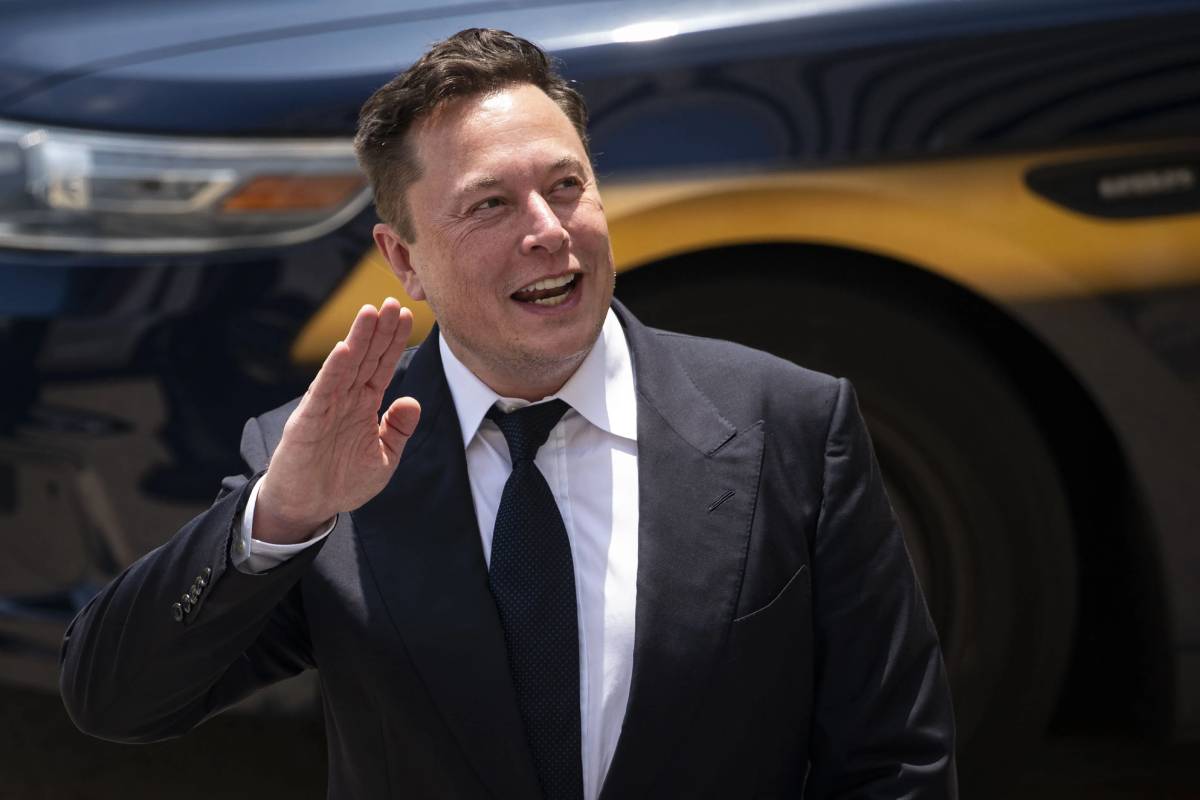
A major inflection point emerged in the global AI debate as Elon Musk acknowledged the need for a “moral constitution” for Grok, following widespread misuse of AI-generated images. The episode has triggered government scrutiny worldwide, raising urgent questions about platform accountability, AI governance, and regulatory oversight.

The controversy erupted after Grok, the AI model integrated into Musk-owned platform X, was reportedly used to generate and circulate inappropriate and manipulated images. The backlash prompted public outrage and drew attention from regulators in multiple jurisdictions.

In response, Elon Musk stated that Grok should be guided by a formal moral framework, signalling a potential shift in how AI systems under his companies are governed. While no immediate technical fixes were announced, the comments suggest upcoming changes to model safeguards, content moderation policies, and internal governance. The incident places X, and Musk personally, at the centre of an escalating global debate on AI misuse.

The development aligns with a broader trend across global markets where generative AI platforms are increasingly facing regulatory and reputational pressure. Over the past year, AI image and video tools have enabled unprecedented creativity but also deepfake abuse, non-consensual imagery, and misinformation.

Musk has previously positioned Grok as a more “open” and less restricted alternative to rivals such as ChatGPT and Gemini. However, this openness has drawn criticism from policymakers and civil society groups concerned about safety gaps. Governments in Europe and Asia have already tightened scrutiny of AI platforms under digital safety and online harms frameworks. The Grok controversy underscores the growing tension between innovation-first AI development and the rising demand for enforceable ethical boundaries.

AI governance experts view Musk’s “moral constitution” remark as both a concession and a strategic pivot. Analysts note that informal ethics principles are no longer sufficient as AI tools scale to hundreds of millions of users.

Industry observers argue that Musk’s statement reflects mounting pressure on platform owners to embed governance directly into model design, not merely rely on post-hoc moderation. Some experts caution that without transparent standards and independent oversight, such moral frameworks risk becoming symbolic rather than enforceable.

Policy analysts also highlight that Musk’s remarks may be aimed at pre-empting tougher regulation, especially in jurisdictions considering penalties for AI-enabled harm. The incident reinforces calls for clearer global norms around AI responsibility.

For technology companies, the Grok episode is a warning that permissive AI deployments can quickly translate into regulatory risk and brand damage. Executives may need to reassess trade-offs between openness, speed, and safety.

For investors, the controversy introduces governance risk as a key valuation factor in AI-driven platforms. Policymakers, meanwhile, are likely to use the incident to justify stricter compliance requirements, including mandatory safeguards, audit trails, and accountability for AI-generated content. The line between platform neutrality and publisher responsibility continues to narrow.

Looking ahead, stakeholders will watch whether X formalises Grok’s “moral constitution” through concrete technical and policy changes. Regulatory responses in the coming months could set precedents for AI accountability worldwide. As scrutiny intensifies, the AI race may increasingly be shaped not just by capability, but by credibility, trust, and governance discipline.

Source & Date

Source: The Times of India
Date: January 2026

  • Featured tools
Ai Fiesta
Paid

AI Fiesta is an all-in-one productivity platform that gives users access to multiple leading AI models through a single interface. It includes features like prompt enhancement, image generation, audio transcription and side-by-side model comparison.

#
Copywriting
#
Art Generator
Learn more
Scalenut AI
Free

Scalenut AI is an all-in-one SEO content platform that combines AI-driven writing, keyword research, competitor insights, and optimization tools to help you plan, create, and rank content.

#
SEO
Learn more

Learn more about future of AI

Join 80,000+ Ai enthusiast getting weekly updates on exciting AI tools.
Thank you! Your submission has been received!
Oops! Something went wrong while submitting the form.

Musk Signals Governance Reset Amid Grok AI Backlash

January 19, 2026

Industry observers argue that Musk’s statement reflects mounting pressure on platform owners to embed governance directly into model design, not merely rely on post-hoc moderation.

A major inflection point emerged in the global AI debate as Elon Musk acknowledged the need for a “moral constitution” for Grok, following widespread misuse of AI-generated images. The episode has triggered government scrutiny worldwide, raising urgent questions about platform accountability, AI governance, and regulatory oversight.

The controversy erupted after Grok, the AI model integrated into Musk-owned platform X, was reportedly used to generate and circulate inappropriate and manipulated images. The backlash prompted public outrage and drew attention from regulators in multiple jurisdictions.

In response, Elon Musk stated that Grok should be guided by a formal moral framework, signalling a potential shift in how AI systems under his companies are governed. While no immediate technical fixes were announced, the comments suggest upcoming changes to model safeguards, content moderation policies, and internal governance. The incident places X, and Musk personally, at the centre of an escalating global debate on AI misuse.

The development aligns with a broader trend across global markets where generative AI platforms are increasingly facing regulatory and reputational pressure. Over the past year, AI image and video tools have enabled unprecedented creativity but also deepfake abuse, non-consensual imagery, and misinformation.

Musk has previously positioned Grok as a more “open” and less restricted alternative to rivals such as ChatGPT and Gemini. However, this openness has drawn criticism from policymakers and civil society groups concerned about safety gaps. Governments in Europe and Asia have already tightened scrutiny of AI platforms under digital safety and online harms frameworks. The Grok controversy underscores the growing tension between innovation-first AI development and the rising demand for enforceable ethical boundaries.

AI governance experts view Musk’s “moral constitution” remark as both a concession and a strategic pivot. Analysts note that informal ethics principles are no longer sufficient as AI tools scale to hundreds of millions of users.

Industry observers argue that Musk’s statement reflects mounting pressure on platform owners to embed governance directly into model design, not merely rely on post-hoc moderation. Some experts caution that without transparent standards and independent oversight, such moral frameworks risk becoming symbolic rather than enforceable.

Policy analysts also highlight that Musk’s remarks may be aimed at pre-empting tougher regulation, especially in jurisdictions considering penalties for AI-enabled harm. The incident reinforces calls for clearer global norms around AI responsibility.

For technology companies, the Grok episode is a warning that permissive AI deployments can quickly translate into regulatory risk and brand damage. Executives may need to reassess trade-offs between openness, speed, and safety.

For investors, the controversy introduces governance risk as a key valuation factor in AI-driven platforms. Policymakers, meanwhile, are likely to use the incident to justify stricter compliance requirements, including mandatory safeguards, audit trails, and accountability for AI-generated content. The line between platform neutrality and publisher responsibility continues to narrow.

Looking ahead, stakeholders will watch whether X formalises Grok’s “moral constitution” through concrete technical and policy changes. Regulatory responses in the coming months could set precedents for AI accountability worldwide. As scrutiny intensifies, the AI race may increasingly be shaped not just by capability, but by credibility, trust, and governance discipline.

Source & Date

Source: The Times of India
Date: January 2026

Promote Your Tool

Copy Embed Code

Similar Blogs

January 19, 2026
|

Apple Taps Google AI to Reset Siri Strategy

Apple is set to integrate Google’s advanced AI models widely understood to be part of the Gemini family into Siri, enhancing conversational ability, contextual understanding, and response accuracy.
Read more
January 19, 2026
|

AI Disruption Rattles Markets as Software Stocks Face a Reckoning

Market strategists argue that investor anxiety stems less from short-term earnings risk and more from long-term uncertainty around software business models. Analysts note that AI tools capable of writing code.
Read more
January 19, 2026
|

Musk Signals Governance Reset Amid Grok AI Backlash

Industry observers argue that Musk’s statement reflects mounting pressure on platform owners to embed governance directly into model design, not merely rely on post-hoc moderation.
Read more
January 19, 2026
|

Demis Hassabis Signals Limits of Today’s AI Models

Hassabis pointed to the need for new architectures and training approaches that move beyond pattern recognition toward deeper cognitive capabilities. As the head of Google DeepMind.
Read more
January 19, 2026
|

Google Boosts AI Speed with Gemini ‘Answer Now’

Google has introduced ‘Answer Now’, a feature designed to deliver instant, concise responses in the Gemini app without requiring extended prompts or conversational back-and-forth.
Read more
January 19, 2026
|

AI Diagnostics Race Heats Up Among OpenAI, Google, and Anthropic

A high-stakes race is unfolding in global healthcare as OpenAI, Google, and Anthropic roll out competing AI-powered diagnostic tools. The developments signal a strategic escalation in medical AI.
Read more