



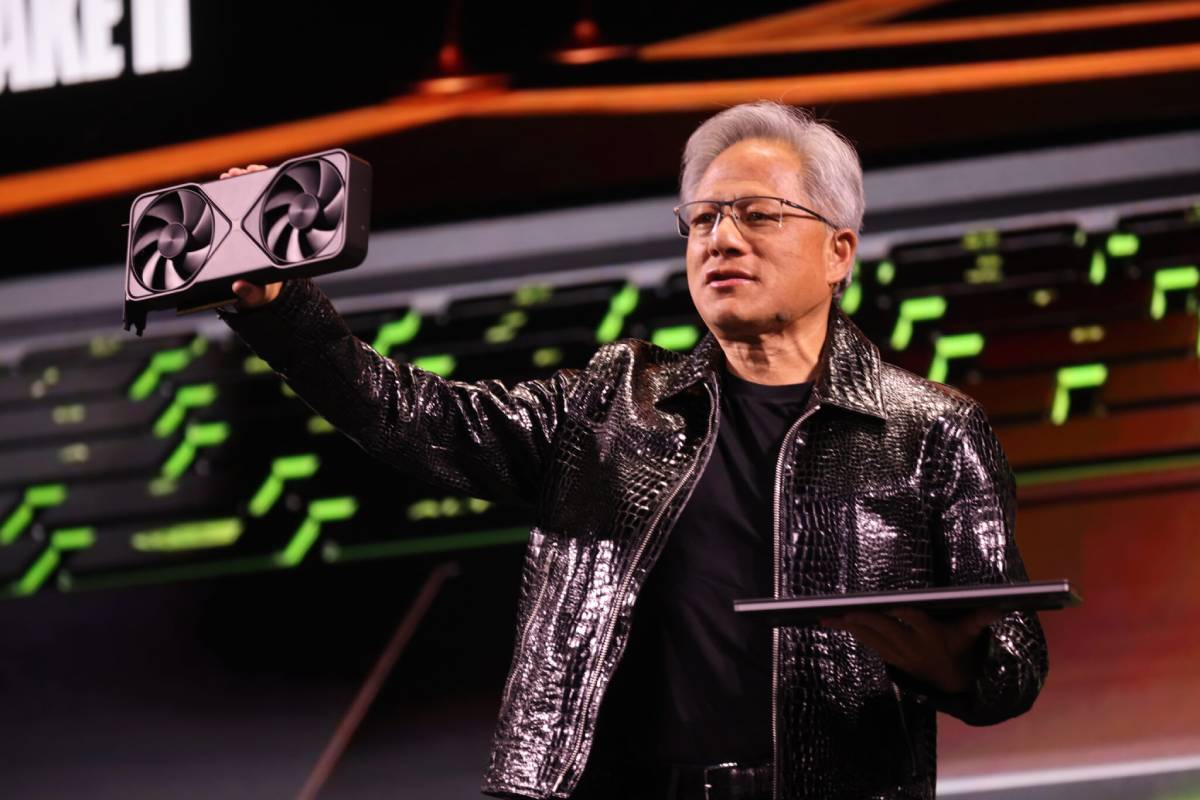
A structural shift is emerging for NVIDIA as its aggressive pivot toward AI infrastructure begins to strain its traditional gaming hardware base. The development signals changing priorities within the semiconductor giant, with implications for consumer markets, AI platforms, and global GPU supply dynamics.
NVIDIA is facing growing tension between its rapidly expanding AI business and its legacy gaming segment. While demand for AI accelerators has surged, gaming consumers have raised concerns over pricing, product availability, and perceived neglect of the GeForce GPU ecosystem.
The company’s strategic focus has increasingly shifted toward data center AI workloads, which now represent a dominant revenue driver. Key stakeholders include gamers, AI developers, cloud providers, and enterprise customers. The imbalance in supply prioritization has fueled debate over whether NVIDIA can sustain loyalty across both high-growth AI markets and its established consumer base.
The semiconductor industry is undergoing a significant transformation driven by artificial intelligence workloads. NVIDIA has become a central player in this shift, with its GPUs powering large-scale AI training and inference systems across global cloud infrastructure.
This development aligns with a broader trend across global markets where AI demand is reshaping hardware allocation priorities. Historically, NVIDIA built its reputation through the gaming industry, particularly with its GeForce GPU lineup, which established a strong consumer following.
However, the explosive growth of AI platforms has redirected production capacity toward data center chips, creating supply constraints and pricing pressures in the gaming segment. This structural shift reflects a broader industry evolution where enterprise AI demand is increasingly outpacing consumer hardware considerations.
Industry analysts suggest that NVIDIA is navigating a complex balancing act between two high-value markets. Experts note that AI-driven revenue growth has significantly outpaced gaming, making data center infrastructure a strategic priority.
However, analysts caution that long-term brand equity in consumer markets remains important, particularly as gaming continues to serve as a foundational ecosystem for GPU innovation. Some experts argue that weakening engagement with gamers could erode NVIDIA’s cultural influence and product loyalty over time.
Industry observers also highlight that supply chain allocation decisions are increasingly shaping user sentiment. While NVIDIA continues to invest in both segments, the perception of prioritization toward AI is becoming a growing narrative within the gaming community.
For businesses, NVIDIA’s strategic shift underscores the growing dominance of AI workloads in shaping semiconductor supply allocation. Companies dependent on GPUs may face continued pricing volatility and availability constraints.
Investors are likely to evaluate whether NVIDIA can sustain growth across both AI and consumer markets without diluting its brand strength. The tension between these segments could influence future revenue diversification strategies across the semiconductor industry.
From a policy perspective, increasing concentration of AI compute capacity within a few major players may raise concerns about market balance and supply chain resilience. Regulators may also monitor pricing dynamics in critical computing hardware markets as AI demand continues to expand.
Looking ahead, NVIDIA will need to carefully manage allocation between its AI and gaming divisions. Decision-makers should watch supply trends in consumer GPUs, AI infrastructure demand, and pricing stability. The key uncertainty lies in whether NVIDIA can maintain equilibrium across two rapidly diverging markets while sustaining growth leadership in the global semiconductor landscape.
Source: CNBC
Date: April 18, 2026


