



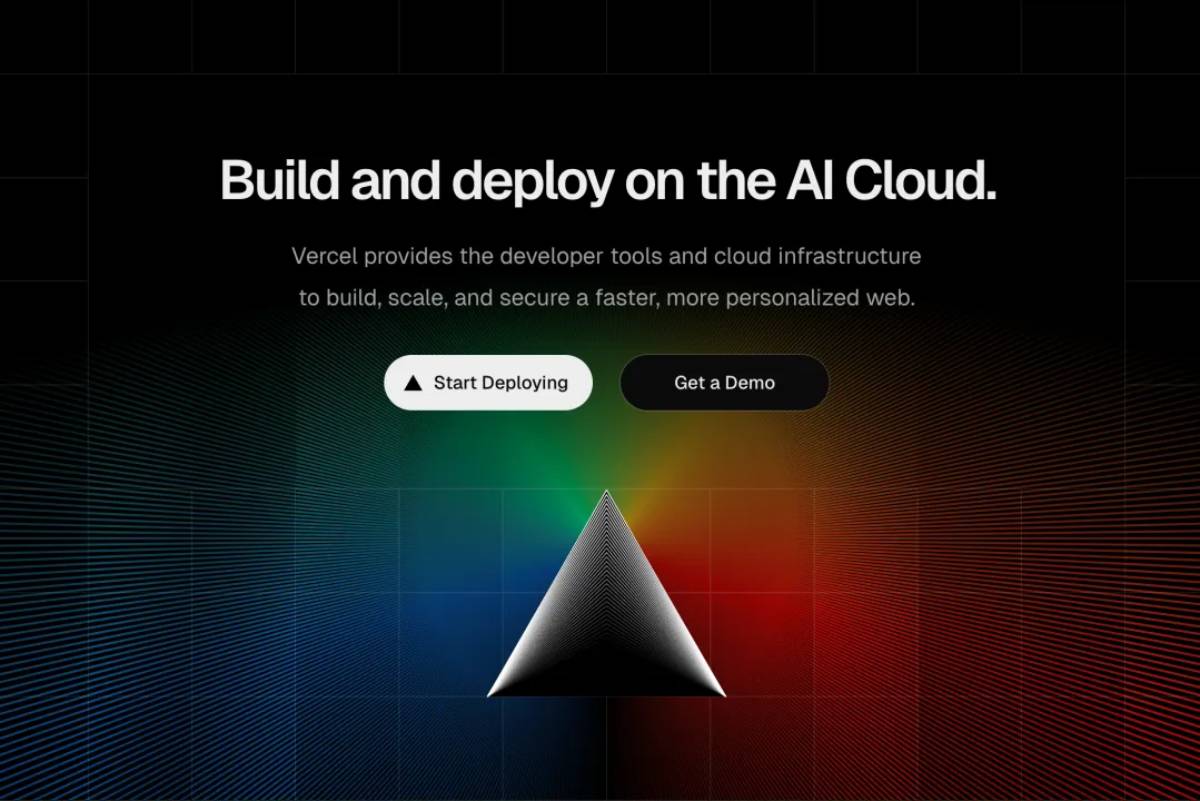
A significant cybersecurity incident has impacted Vercel, exposing vulnerabilities in cloud development infrastructure. The breach underscores escalating risks facing software supply chains and cloud-native platforms, with implications for enterprise developers, digital infrastructure providers, and global cybersecurity frameworks.
Vercel has reportedly experienced a security breach affecting parts of its cloud development platform, raising concerns about the resilience of modern application deployment systems. The incident highlights potential exposure within tools widely used by developers to build and host web applications.
Key stakeholders include software developers, enterprise clients, cybersecurity professionals, and cloud infrastructure providers. While technical details of the breach remain limited, the event underscores increasing targeting of development environments as attack surfaces. The incident also reflects broader concerns about the security of cloud-native ecosystems that underpin large portions of the modern internet infrastructure.
Cloud development platforms like Vercel have become central to modern software engineering, enabling rapid deployment of web applications and scalable digital services. These platforms are integral to the broader shift toward cloud-native architecture and DevOps-driven development workflows.
This development aligns with a broader trend across global markets where cybersecurity threats are increasingly targeting infrastructure layers rather than just end-user systems. As organizations accelerate digital transformation, attackers are focusing on developer tools, APIs, and cloud environments that serve as entry points to larger ecosystems.
Historically, cybersecurity incidents have often targeted consumer applications or enterprise databases. However, the current shift reflects a more sophisticated threat landscape where attackers exploit trusted development pipelines to gain broader system access. This evolution raises concerns about systemic risk across cloud-based ecosystems.
Cybersecurity analysts suggest that breaches involving platforms like Vercel highlight the growing importance of securing the software supply chain. Experts note that modern development environments are deeply interconnected, making them attractive targets for attackers seeking scalable access points.
Security professionals emphasize that even minor vulnerabilities in cloud deployment tools can have cascading effects across thousands of applications. Analysts also point out that the rise of automated deployment pipelines increases both efficiency and exposure.
Industry observers argue that companies must adopt a “security-first” development approach, integrating continuous monitoring and threat detection into cloud workflows. While official technical disclosures remain limited, experts broadly agree that the incident reflects a wider escalation in attacks targeting developer ecosystems.
For businesses, the breach highlights the need to reassess cloud security strategies, particularly in development and deployment environments. Organizations relying on platforms like Vercel may need to strengthen access controls, audit dependencies, and enhance monitoring systems.
Investors could view the incident as a reminder of rising cybersecurity risks in cloud infrastructure companies, potentially influencing risk assessments across the sector. Demand for secure-by-design platforms may increase as enterprises prioritize resilience.
From a policy standpoint, regulators may intensify scrutiny of cloud service providers and software supply chain security standards. Governments could push for stricter compliance frameworks to mitigate systemic cyber risk across critical digital infrastructure.
Looking ahead, the response from Vercel and the broader cloud industry will be closely monitored. Decision-makers should watch for disclosure details, remediation measures, and potential security upgrades. The key uncertainty lies in whether this incident represents an isolated breach or part of a broader escalation in attacks targeting developer infrastructure across cloud ecosystems.
Source: The Verge
Date: April 2026


