
Nvidia Expands Edge AI With IGX Thor

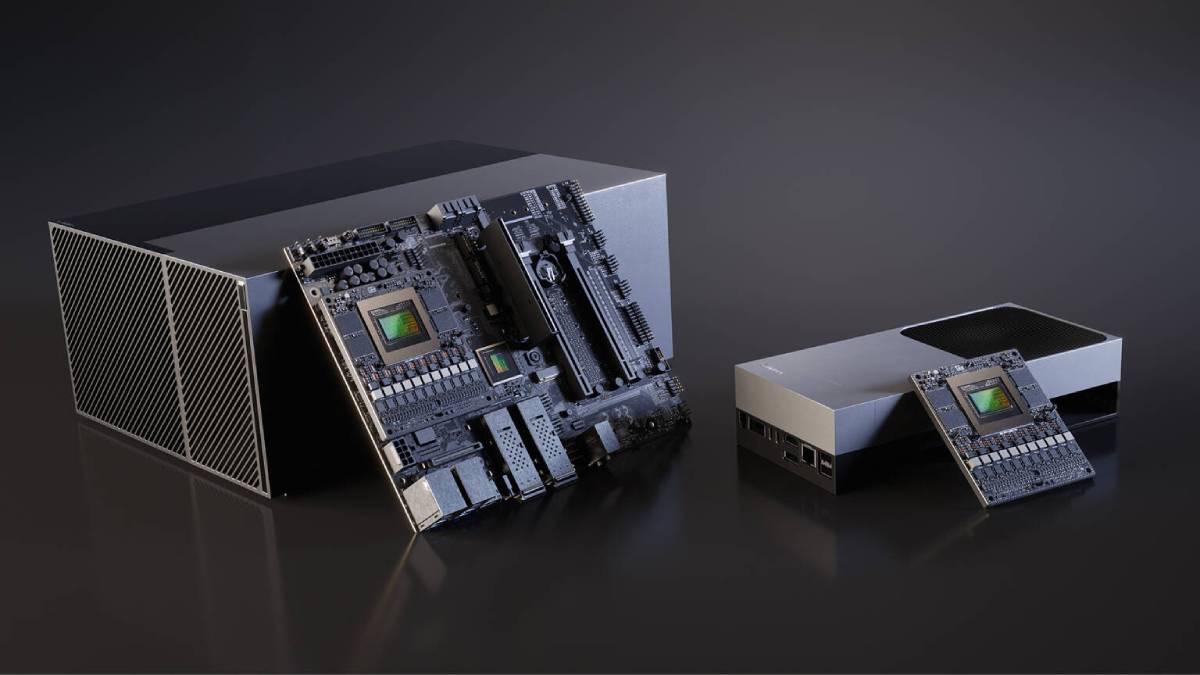
Nvidia introduced IGX Thor as a high-performance edge computing platform designed for mission-critical environments such as hospitals, factories, and autonomous machines.

March 24, 2026
|
Image credit: https://developer.nvidia.com/

A major development unfolded as Nvidia unveiled its IGX Thor platform, targeting industrial automation, healthcare, and robotics at the edge. The move signals a strategic expansion beyond data centers, with implications for real-time computing, enterprise transformation, and global competition in next-generation intelligent systems.

Nvidia introduced IGX Thor as a high-performance edge computing platform designed for mission-critical environments such as hospitals, factories, and autonomous machines. The platform integrates advanced GPU capabilities with secure, real-time processing to support applications requiring low latency and high reliability. It is aimed at sectors including medical imaging, robotic surgery, industrial inspection, and autonomous robotics.

Nvidia emphasized enterprise-grade safety, cybersecurity, and long lifecycle support, positioning IGX Thor as a foundational layer for edge deployments. The launch reflects growing demand for decentralized computing, where data processing occurs closer to the source rather than in centralized cloud infrastructure.

The development aligns with a broader trend across global markets where edge computing is emerging as a critical complement to cloud-based architectures. As industries digitize operations, the need for real-time decision-making has intensified, particularly in sectors where latency and reliability are mission-critical.

Nvidia has steadily expanded beyond its core data center business into edge and embedded systems, building on platforms like Jetson and IGX. This shift reflects the growing importance of deploying AI capabilities directly within physical environments factories, hospitals, and transportation systems.

Geopolitically, edge computing is also gaining importance as nations prioritize data sovereignty and localized processing. By enabling on-site computation, companies can reduce reliance on cross-border data flows and improve security compliance. Nvidia’s IGX Thor thus positions the company to capture a significant share of this rapidly evolving infrastructure layer.

Industry analysts view Nvidia’s IGX Thor launch as a strategic move to extend its dominance from centralized data centers to distributed computing environments. Experts note that edge AI systems require not only raw performance but also deterministic reliability, safety certifications, and robust security frameworks.

Market observers suggest that Nvidia’s ability to combine hardware acceleration with integrated software ecosystems gives it a competitive edge in regulated industries like healthcare and manufacturing. Corporate leaders in robotics and industrial automation are expected to benefit from standardized platforms that reduce development complexity and deployment timelines.

At the same time, experts caution that adoption may depend on cost structures, interoperability with legacy systems, and regulatory approvals—particularly in medical applications where compliance requirements are stringent.

For global executives, the shift toward edge computing platforms like IGX Thor could redefine operational strategies across manufacturing, healthcare, and logistics. Businesses may increasingly invest in localized infrastructure to enable real-time analytics and automation.

Investors are likely to see expanded revenue opportunities in edge hardware, software integration, and industry-specific solutions. Meanwhile, governments may prioritize policies that support edge deployments to enhance national resilience, cybersecurity, and data governance.

Regulators will also need to address safety and compliance frameworks, especially in sectors where edge AI systems directly interact with humans, such as medical devices and autonomous robotics.

Looking ahead, Nvidia’s success with IGX Thor will depend on enterprise adoption across key industries and its ability to build strong ecosystem partnerships. As edge computing demand accelerates, competition is expected to intensify from both semiconductor firms and specialized hardware providers.

Decision-makers should monitor integration challenges, regulatory developments, and evolving use cases. The next phase of computing will increasingly be defined by how effectively intelligence moves from the cloud to the edge.

Source: Nvidia Developer Blog
Date: March 24, 2026

  • Featured tools
Hostinger Website Builder
Paid

Hostinger Website Builder is a drag-and-drop website creator bundled with hosting and AI-powered tools, designed for businesses, blogs and small shops with minimal technical effort.It makes launching a site fast and affordable, with templates, responsive design and built-in hosting all in one.

#
Productivity
#
Startup Tools
#
Ecommerce
Learn more
Alli AI
Free

Alli AI is an all-in-one, AI-powered SEO automation platform that streamlines on-page optimization, site auditing, speed improvements, schema generation, internal linking, and ranking insights.

#
SEO
Learn more

Learn more about future of AI

Join 80,000+ Ai enthusiast getting weekly updates on exciting AI tools.
Thank you! Your submission has been received!
Oops! Something went wrong while submitting the form.

Nvidia Expands Edge AI With IGX Thor

March 24, 2026

Nvidia introduced IGX Thor as a high-performance edge computing platform designed for mission-critical environments such as hospitals, factories, and autonomous machines.

Image credit: https://developer.nvidia.com/

A major development unfolded as Nvidia unveiled its IGX Thor platform, targeting industrial automation, healthcare, and robotics at the edge. The move signals a strategic expansion beyond data centers, with implications for real-time computing, enterprise transformation, and global competition in next-generation intelligent systems.

Nvidia introduced IGX Thor as a high-performance edge computing platform designed for mission-critical environments such as hospitals, factories, and autonomous machines. The platform integrates advanced GPU capabilities with secure, real-time processing to support applications requiring low latency and high reliability. It is aimed at sectors including medical imaging, robotic surgery, industrial inspection, and autonomous robotics.

Nvidia emphasized enterprise-grade safety, cybersecurity, and long lifecycle support, positioning IGX Thor as a foundational layer for edge deployments. The launch reflects growing demand for decentralized computing, where data processing occurs closer to the source rather than in centralized cloud infrastructure.

The development aligns with a broader trend across global markets where edge computing is emerging as a critical complement to cloud-based architectures. As industries digitize operations, the need for real-time decision-making has intensified, particularly in sectors where latency and reliability are mission-critical.

Nvidia has steadily expanded beyond its core data center business into edge and embedded systems, building on platforms like Jetson and IGX. This shift reflects the growing importance of deploying AI capabilities directly within physical environments factories, hospitals, and transportation systems.

Geopolitically, edge computing is also gaining importance as nations prioritize data sovereignty and localized processing. By enabling on-site computation, companies can reduce reliance on cross-border data flows and improve security compliance. Nvidia’s IGX Thor thus positions the company to capture a significant share of this rapidly evolving infrastructure layer.

Industry analysts view Nvidia’s IGX Thor launch as a strategic move to extend its dominance from centralized data centers to distributed computing environments. Experts note that edge AI systems require not only raw performance but also deterministic reliability, safety certifications, and robust security frameworks.

Market observers suggest that Nvidia’s ability to combine hardware acceleration with integrated software ecosystems gives it a competitive edge in regulated industries like healthcare and manufacturing. Corporate leaders in robotics and industrial automation are expected to benefit from standardized platforms that reduce development complexity and deployment timelines.

At the same time, experts caution that adoption may depend on cost structures, interoperability with legacy systems, and regulatory approvals—particularly in medical applications where compliance requirements are stringent.

For global executives, the shift toward edge computing platforms like IGX Thor could redefine operational strategies across manufacturing, healthcare, and logistics. Businesses may increasingly invest in localized infrastructure to enable real-time analytics and automation.

Investors are likely to see expanded revenue opportunities in edge hardware, software integration, and industry-specific solutions. Meanwhile, governments may prioritize policies that support edge deployments to enhance national resilience, cybersecurity, and data governance.

Regulators will also need to address safety and compliance frameworks, especially in sectors where edge AI systems directly interact with humans, such as medical devices and autonomous robotics.

Looking ahead, Nvidia’s success with IGX Thor will depend on enterprise adoption across key industries and its ability to build strong ecosystem partnerships. As edge computing demand accelerates, competition is expected to intensify from both semiconductor firms and specialized hardware providers.

Decision-makers should monitor integration challenges, regulatory developments, and evolving use cases. The next phase of computing will increasingly be defined by how effectively intelligence moves from the cloud to the edge.

Source: Nvidia Developer Blog
Date: March 24, 2026

Promote Your Tool

Copy Embed Code

Similar Blogs

March 24, 2026
|

Oracle Reengineers Apps for Autonomous AI Agents

Oracle announced upgrades to its enterprise software suite, enabling AI agents to execute tasks across finance and procurement workflows.
Read more
March 24, 2026
|

Zuckerberg AI Playbook Signals New Leadership Model

At Meta, Zuckerberg is increasingly integrating AI tools into daily workflows, using them to enhance productivity, decision-making, and strategic planning.
Read more
March 24, 2026
|

Cisco Unveils AI Security Push for Autonomous Agents

Cisco introduced advanced security offerings designed to address risks associated with autonomous AI agents interacting across networks and systems. The initiative focuses on safeguarding enterprise environments where AI systems can independently execute tasks.
Read more
March 24, 2026
|

US AI Contract Shake-Up Raises Safeguard Concerns

The controversial clause, highlighted in policy discussions and reporting, alters federal AI contracting standards by reducing or eliminating certain compliance and oversight requirements.
Read more
March 24, 2026
|

AI Contracts Spotlight Legal Risks in Enterprise Adoption

At a recent industry-focused session hosted by IPWatchdog, legal professionals emphasized the rising complexity of AI-related contracts. Speakers highlighted how terms around data ownership, liability, and model transparency are becoming critical negotiation points.
Read more
March 24, 2026
|

Microsoft Bolsters AI Ambitions With Strategic Hire

Microsoft has appointed Ali Farhadi to a senior role within its AI organization, strengthening its research and development capabilities. Farhadi previously led the Allen Institute for AI, a prominent nonprofit focused on advancing artificial intelligence research.
Read more