
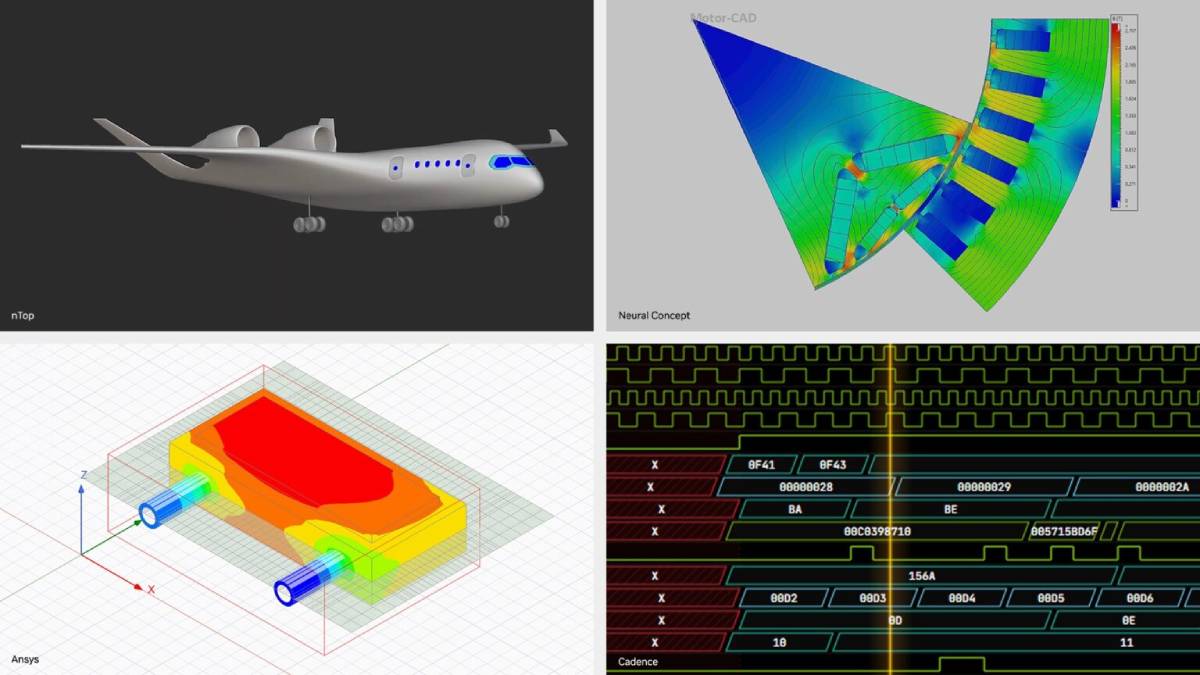
NVIDIA Powers Industrial AI Autonomous Shift

NVIDIA announced that industrial software leaders are leveraging NemoClaw, a framework designed to create secure and autonomous AI agents capable of executing engineering-related tasks.

June 3, 2026
|
Image Source:  NVIDIA Blog

A major development unfolded in the industrial technology sector as leading software providers adopted NVIDIA’s NemoClaw framework to build secure, autonomous AI engineers capable of supporting complex engineering and industrial workflows. The initiative signals a significant step toward AI-driven automation in industrial design, manufacturing, and operations, with broad implications for productivity, competitiveness, and workforce transformation.

NVIDIA announced that industrial software leaders are leveraging NemoClaw, a framework designed to create secure and autonomous AI agents capable of executing engineering-related tasks. The technology aims to enable AI systems to assist with design processes, simulations, documentation, software development, and industrial operations while maintaining enterprise-grade security controls.

The initiative reflects growing demand for AI agents that can move beyond simple assistance and perform specialized technical work with limited human intervention. Industrial software companies are integrating these capabilities into platforms used across manufacturing, energy, infrastructure, automotive, aerospace, and engineering sectors.

The collaboration highlights the increasing convergence of artificial intelligence, industrial software, and advanced computing infrastructure as organizations pursue greater operational efficiency and innovation.

The development aligns with a broader trend across global markets where artificial intelligence is evolving from a productivity enhancing tool into an autonomous operational capability. While early enterprise AI deployments focused on content generation, customer support, and workflow automation, the next phase centers on intelligent agents capable of performing specialized professional tasks.

Industrial sectors have emerged as a particularly important frontier for AI adoption. Engineering, manufacturing, and infrastructure industries generate vast amounts of technical data and rely on complex processes that can benefit from automation and intelligent decision support. As a result, technology providers are increasingly developing AI systems capable of handling domain-specific tasks traditionally performed by highly skilled professionals.

The emergence of autonomous engineering agents also reflects the growing maturity of AI models and computing infrastructure. Advances in reasoning capabilities, simulation technologies, and accelerated computing have expanded the range of tasks that AI systems can perform reliably.

At a geopolitical level, industrial AI is becoming a strategic asset as nations seek to strengthen manufacturing competitiveness, supply-chain resilience, and technological leadership.

Industry experts view the development as a significant milestone in the evolution of enterprise AI. Analysts note that autonomous engineering agents represent a shift from AI systems that merely assist human workers to systems capable of executing complex technical workflows independently under defined governance frameworks.

Technology strategists argue that industrial AI adoption is increasingly being driven by labor shortages, productivity pressures, and the need to accelerate innovation cycles. Organizations are searching for ways to reduce development timelines while maintaining quality, compliance, and operational safety.

Market observers also highlight the importance of security. As AI agents gain access to sensitive engineering data, intellectual property, and operational systems, enterprises are prioritizing secure architectures that provide oversight, transparency, and control mechanisms.

Many analysts believe autonomous engineering systems could become one of the most commercially significant applications of AI, potentially transforming how products are designed, tested, manufactured, and maintained across industries.

For businesses, the emergence of autonomous AI engineers could significantly improve productivity, reduce development costs, and accelerate time-to-market for new products and services. Organizations that successfully integrate these capabilities may gain substantial competitive advantages.

Investors are likely to view industrial AI as a high-growth segment within the broader AI economy. Demand for engineering automation, simulation platforms, digital twins, and accelerated computing infrastructure could create new market opportunities.

For policymakers, the rise of autonomous technical systems raises important questions regarding workforce adaptation, safety standards, intellectual property protection, and accountability. Regulatory frameworks may need to evolve as AI assumes a larger role in critical industrial processes.

For executives, the trend underscores the importance of evaluating how autonomous AI capabilities can be integrated into long-term digital transformation strategies. Decision-makers should monitor the adoption of autonomous engineering agents across key industries, particularly in manufacturing, energy, aerospace, and infrastructure sectors. Success will depend on reliability, security, governance, and measurable productivity improvements.

As AI systems become increasingly capable of performing specialized technical work, the distinction between human expertise and machine-assisted execution may continue to narrow. The next industrial transformation could be defined not by automation alone, but by the emergence of autonomous digital workforces operating alongside human teams.

Source: NVIDIA Blog
Date:
June 2026

  • Featured tools
WellSaid Ai
Free

WellSaid AI is an advanced text-to-speech platform that transforms written text into lifelike, human-quality voiceovers.

#
Text to Speech
Learn more
Beautiful AI
Free

Beautiful AI is an AI-powered presentation platform that automates slide design and formatting, enabling users to create polished, on-brand presentations quickly.

#
Presentation
Learn more

Learn more about future of AI

Join 80,000+ Ai enthusiast getting weekly updates on exciting AI tools.
Thank you! Your submission has been received!
Oops! Something went wrong while submitting the form.

NVIDIA Powers Industrial AI Autonomous Shift

June 3, 2026

NVIDIA announced that industrial software leaders are leveraging NemoClaw, a framework designed to create secure and autonomous AI agents capable of executing engineering-related tasks.

Image Source:  NVIDIA Blog

A major development unfolded in the industrial technology sector as leading software providers adopted NVIDIA’s NemoClaw framework to build secure, autonomous AI engineers capable of supporting complex engineering and industrial workflows. The initiative signals a significant step toward AI-driven automation in industrial design, manufacturing, and operations, with broad implications for productivity, competitiveness, and workforce transformation.

NVIDIA announced that industrial software leaders are leveraging NemoClaw, a framework designed to create secure and autonomous AI agents capable of executing engineering-related tasks. The technology aims to enable AI systems to assist with design processes, simulations, documentation, software development, and industrial operations while maintaining enterprise-grade security controls.

The initiative reflects growing demand for AI agents that can move beyond simple assistance and perform specialized technical work with limited human intervention. Industrial software companies are integrating these capabilities into platforms used across manufacturing, energy, infrastructure, automotive, aerospace, and engineering sectors.

The collaboration highlights the increasing convergence of artificial intelligence, industrial software, and advanced computing infrastructure as organizations pursue greater operational efficiency and innovation.

The development aligns with a broader trend across global markets where artificial intelligence is evolving from a productivity enhancing tool into an autonomous operational capability. While early enterprise AI deployments focused on content generation, customer support, and workflow automation, the next phase centers on intelligent agents capable of performing specialized professional tasks.

Industrial sectors have emerged as a particularly important frontier for AI adoption. Engineering, manufacturing, and infrastructure industries generate vast amounts of technical data and rely on complex processes that can benefit from automation and intelligent decision support. As a result, technology providers are increasingly developing AI systems capable of handling domain-specific tasks traditionally performed by highly skilled professionals.

The emergence of autonomous engineering agents also reflects the growing maturity of AI models and computing infrastructure. Advances in reasoning capabilities, simulation technologies, and accelerated computing have expanded the range of tasks that AI systems can perform reliably.

At a geopolitical level, industrial AI is becoming a strategic asset as nations seek to strengthen manufacturing competitiveness, supply-chain resilience, and technological leadership.

Industry experts view the development as a significant milestone in the evolution of enterprise AI. Analysts note that autonomous engineering agents represent a shift from AI systems that merely assist human workers to systems capable of executing complex technical workflows independently under defined governance frameworks.

Technology strategists argue that industrial AI adoption is increasingly being driven by labor shortages, productivity pressures, and the need to accelerate innovation cycles. Organizations are searching for ways to reduce development timelines while maintaining quality, compliance, and operational safety.

Market observers also highlight the importance of security. As AI agents gain access to sensitive engineering data, intellectual property, and operational systems, enterprises are prioritizing secure architectures that provide oversight, transparency, and control mechanisms.

Many analysts believe autonomous engineering systems could become one of the most commercially significant applications of AI, potentially transforming how products are designed, tested, manufactured, and maintained across industries.

For businesses, the emergence of autonomous AI engineers could significantly improve productivity, reduce development costs, and accelerate time-to-market for new products and services. Organizations that successfully integrate these capabilities may gain substantial competitive advantages.

Investors are likely to view industrial AI as a high-growth segment within the broader AI economy. Demand for engineering automation, simulation platforms, digital twins, and accelerated computing infrastructure could create new market opportunities.

For policymakers, the rise of autonomous technical systems raises important questions regarding workforce adaptation, safety standards, intellectual property protection, and accountability. Regulatory frameworks may need to evolve as AI assumes a larger role in critical industrial processes.

For executives, the trend underscores the importance of evaluating how autonomous AI capabilities can be integrated into long-term digital transformation strategies. Decision-makers should monitor the adoption of autonomous engineering agents across key industries, particularly in manufacturing, energy, aerospace, and infrastructure sectors. Success will depend on reliability, security, governance, and measurable productivity improvements.

As AI systems become increasingly capable of performing specialized technical work, the distinction between human expertise and machine-assisted execution may continue to narrow. The next industrial transformation could be defined not by automation alone, but by the emergence of autonomous digital workforces operating alongside human teams.

Source: NVIDIA Blog
Date:
June 2026

Promote Your Tool

Copy Embed Code

Similar Blogs

June 4, 2026
|

Amazon Ring Faces Facial Recognition Scrutiny

Amazon’s Ring division is facing allegations that its facial recognition and AI-based monitoring features may violate privacy laws.
Read more
June 4, 2026
|

Microsoft Ends Office 2019 Mac Support

Microsoft has confirmed that Office 2019 for Mac will no longer receive a necessary update, limiting user functionality to read-only mode for certain file operations.
Read more
June 4, 2026
|

Apple iPhone Fold Enters Foldable Race

The anticipated iPhone Fold is expected to represent Apple’s first entry into the foldable smartphone category, a segment currently dominated by competing Android manufacturers.
Read more
June 4, 2026
|

Polaroid Launches Go Gen 3 Camera

The new Polaroid Go Generation 3 camera introduces incremental upgrades to the company’s compact instant camera lineup, focusing on portability, ease of use, and enhanced image output.
Read more
June 4, 2026
|

Supernatural VR Fitness Returns Independent Platform

Supernatural, a leading VR fitness application, is re-emerging as a standalone platform outside of major corporate ownership.
Read more
June 4, 2026
|

AI Progress Reveals Limits Transformation Promise

Recent analysis around AI development points to a widening gap between expectations and measurable economic outcomes. While models continue to improve in reasoning, generation, and automation tasks.
Read more