
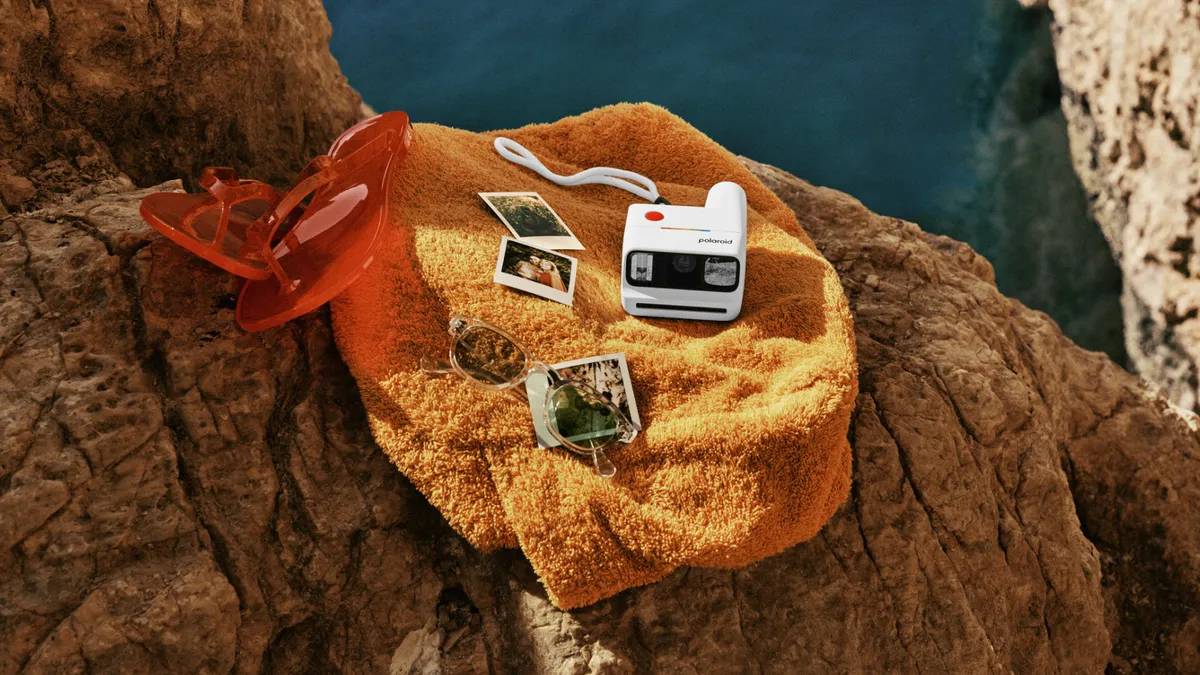
Polaroid Launches Go Gen 3 Camera

The new Polaroid Go Generation 3 camera introduces incremental upgrades to the company’s compact instant camera lineup, focusing on portability, ease of use, and enhanced image output.

June 4, 2026
|

Polaroid has unveiled its Go Generation 3 instant camera, marking a continued push into compact analog-inspired photography for modern consumers. The launch highlights a renewed global interest in tactile imaging experiences, as digital fatigue drives demand for physical, instant-format photography products across lifestyle and consumer electronics markets.

The new Polaroid Go Generation 3 camera introduces incremental upgrades to the company’s compact instant camera lineup, focusing on portability, ease of use, and enhanced image output. The device is designed for casual users seeking lightweight, travel-friendly photography tools that produce immediate physical prints.

The launch continues Polaroid’s strategy of targeting younger consumers and lifestyle-oriented audiences who value nostalgia-driven products. The camera fits into the broader Go ecosystem, which includes accessories and film formats tailored for compact usage. The release strengthens Polaroid’s positioning in the niche but resilient instant photography segment, where design and experience often outweigh technical complexity.

Instant photography has experienced a sustained revival over the past decade, driven by consumer interest in analog aesthetics and physical media experiences. Despite the dominance of smartphone photography, brands like Polaroid have maintained relevance by repositioning instant cameras as lifestyle and creative expression tools rather than professional imaging devices.

This resurgence aligns with broader market trends where consumers increasingly seek tangible experiences in response to digital saturation. The instant camera category has evolved into a hybrid space combining retro appeal with modern convenience, particularly targeting Gen Z and millennial users.

Historically, Polaroid’s legacy in instant imaging has provided strong brand equity, allowing it to compete effectively in a niche segment despite technological disruption. The Go series reflects an ongoing strategy to modernise compact instant photography while preserving the core experiential value of physical print-based imaging.

Industry analysts suggest that Polaroid’s continued investment in compact instant cameras reflects stable demand in a niche but emotionally driven market segment. Experts note that while the category is not high-growth in traditional terms, it benefits from strong brand loyalty and consistent consumer interest in experiential products.

Market observers argue that instant photography thrives on nostalgia economics, where perceived emotional value outweighs functional superiority. While official messaging from Polaroid typically emphasises creativity, accessibility, and self-expression, analysts highlight that sustained product refresh cycles are essential to maintaining relevance among younger demographics.

Consumer electronics commentators also note that social media culture has indirectly supported instant photography demand, as users seek physical artefacts that contrast with digital content streams. This hybrid cultural and commercial dynamic continues to sustain the category despite broader smartphone dominance.

For consumer electronics brands, the launch reinforces the viability of niche, experience-driven product categories in a highly digitalised market. Companies that successfully combine nostalgia with modern usability can maintain loyal consumer segments even in saturated industries.

For investors, Polaroid’s strategy signals that premium positioning and brand heritage remain valuable assets in differentiated hardware markets. For consumers, the expansion of instant camera offerings provides more accessible entry points into analog-style photography. From a policy standpoint, the development carries minimal regulatory implications but highlights broader cultural shifts toward physical media consumption and reduced digital dependency in certain lifestyle categories.

Going forward, Polaroid is expected to continue iterating on its Go lineup, potentially expanding accessories and hybrid digital-instant integrations. Market success will depend on sustaining emotional appeal while improving usability and affordability. The instant photography segment is likely to remain stable, supported by lifestyle-driven demand rather than technological disruption. The key challenge will be maintaining relevance in a smartphone-dominated imaging landscape.

Source: CNET
Date: June 4, 2026

  • Featured tools
Outplay AI
Free

Outplay AI is a dynamic sales engagement platform combining AI-powered outreach, multi-channel automation, and performance tracking to help teams optimize conversion and pipeline generation.

#
Sales
Learn more
Murf Ai
Free

Murf AI Review – Advanced AI Voice Generator for Realistic Voiceovers

#
Text to Speech
Learn more

Learn more about future of AI

Join 80,000+ Ai enthusiast getting weekly updates on exciting AI tools.
Thank you! Your submission has been received!
Oops! Something went wrong while submitting the form.

Polaroid Launches Go Gen 3 Camera

June 4, 2026

The new Polaroid Go Generation 3 camera introduces incremental upgrades to the company’s compact instant camera lineup, focusing on portability, ease of use, and enhanced image output.

Polaroid has unveiled its Go Generation 3 instant camera, marking a continued push into compact analog-inspired photography for modern consumers. The launch highlights a renewed global interest in tactile imaging experiences, as digital fatigue drives demand for physical, instant-format photography products across lifestyle and consumer electronics markets.

The new Polaroid Go Generation 3 camera introduces incremental upgrades to the company’s compact instant camera lineup, focusing on portability, ease of use, and enhanced image output. The device is designed for casual users seeking lightweight, travel-friendly photography tools that produce immediate physical prints.

The launch continues Polaroid’s strategy of targeting younger consumers and lifestyle-oriented audiences who value nostalgia-driven products. The camera fits into the broader Go ecosystem, which includes accessories and film formats tailored for compact usage. The release strengthens Polaroid’s positioning in the niche but resilient instant photography segment, where design and experience often outweigh technical complexity.

Instant photography has experienced a sustained revival over the past decade, driven by consumer interest in analog aesthetics and physical media experiences. Despite the dominance of smartphone photography, brands like Polaroid have maintained relevance by repositioning instant cameras as lifestyle and creative expression tools rather than professional imaging devices.

This resurgence aligns with broader market trends where consumers increasingly seek tangible experiences in response to digital saturation. The instant camera category has evolved into a hybrid space combining retro appeal with modern convenience, particularly targeting Gen Z and millennial users.

Historically, Polaroid’s legacy in instant imaging has provided strong brand equity, allowing it to compete effectively in a niche segment despite technological disruption. The Go series reflects an ongoing strategy to modernise compact instant photography while preserving the core experiential value of physical print-based imaging.

Industry analysts suggest that Polaroid’s continued investment in compact instant cameras reflects stable demand in a niche but emotionally driven market segment. Experts note that while the category is not high-growth in traditional terms, it benefits from strong brand loyalty and consistent consumer interest in experiential products.

Market observers argue that instant photography thrives on nostalgia economics, where perceived emotional value outweighs functional superiority. While official messaging from Polaroid typically emphasises creativity, accessibility, and self-expression, analysts highlight that sustained product refresh cycles are essential to maintaining relevance among younger demographics.

Consumer electronics commentators also note that social media culture has indirectly supported instant photography demand, as users seek physical artefacts that contrast with digital content streams. This hybrid cultural and commercial dynamic continues to sustain the category despite broader smartphone dominance.

For consumer electronics brands, the launch reinforces the viability of niche, experience-driven product categories in a highly digitalised market. Companies that successfully combine nostalgia with modern usability can maintain loyal consumer segments even in saturated industries.

For investors, Polaroid’s strategy signals that premium positioning and brand heritage remain valuable assets in differentiated hardware markets. For consumers, the expansion of instant camera offerings provides more accessible entry points into analog-style photography. From a policy standpoint, the development carries minimal regulatory implications but highlights broader cultural shifts toward physical media consumption and reduced digital dependency in certain lifestyle categories.

Going forward, Polaroid is expected to continue iterating on its Go lineup, potentially expanding accessories and hybrid digital-instant integrations. Market success will depend on sustaining emotional appeal while improving usability and affordability. The instant photography segment is likely to remain stable, supported by lifestyle-driven demand rather than technological disruption. The key challenge will be maintaining relevance in a smartphone-dominated imaging landscape.

Source: CNET
Date: June 4, 2026

Promote Your Tool

Copy Embed Code

Similar Blogs

June 4, 2026
|

Amazon Ring Faces Facial Recognition Scrutiny

Amazon’s Ring division is facing allegations that its facial recognition and AI-based monitoring features may violate privacy laws.
Read more
June 4, 2026
|

Microsoft Ends Office 2019 Mac Support

Microsoft has confirmed that Office 2019 for Mac will no longer receive a necessary update, limiting user functionality to read-only mode for certain file operations.
Read more
June 4, 2026
|

Apple iPhone Fold Enters Foldable Race

The anticipated iPhone Fold is expected to represent Apple’s first entry into the foldable smartphone category, a segment currently dominated by competing Android manufacturers.
Read more
June 4, 2026
|

Polaroid Launches Go Gen 3 Camera

The new Polaroid Go Generation 3 camera introduces incremental upgrades to the company’s compact instant camera lineup, focusing on portability, ease of use, and enhanced image output.
Read more
June 4, 2026
|

Supernatural VR Fitness Returns Independent Platform

Supernatural, a leading VR fitness application, is re-emerging as a standalone platform outside of major corporate ownership.
Read more
June 4, 2026
|

AI Progress Reveals Limits Transformation Promise

Recent analysis around AI development points to a widening gap between expectations and measurable economic outcomes. While models continue to improve in reasoning, generation, and automation tasks.
Read more