
NVIDIA Signals China Reopening For US AI Chips

Speaking amid intensifying global competition in artificial intelligence infrastructure, NVIDIA CEO Jensen Huang indicated optimism that China could become more open to importing advanced AI chips from US firms.

May 19, 2026
|
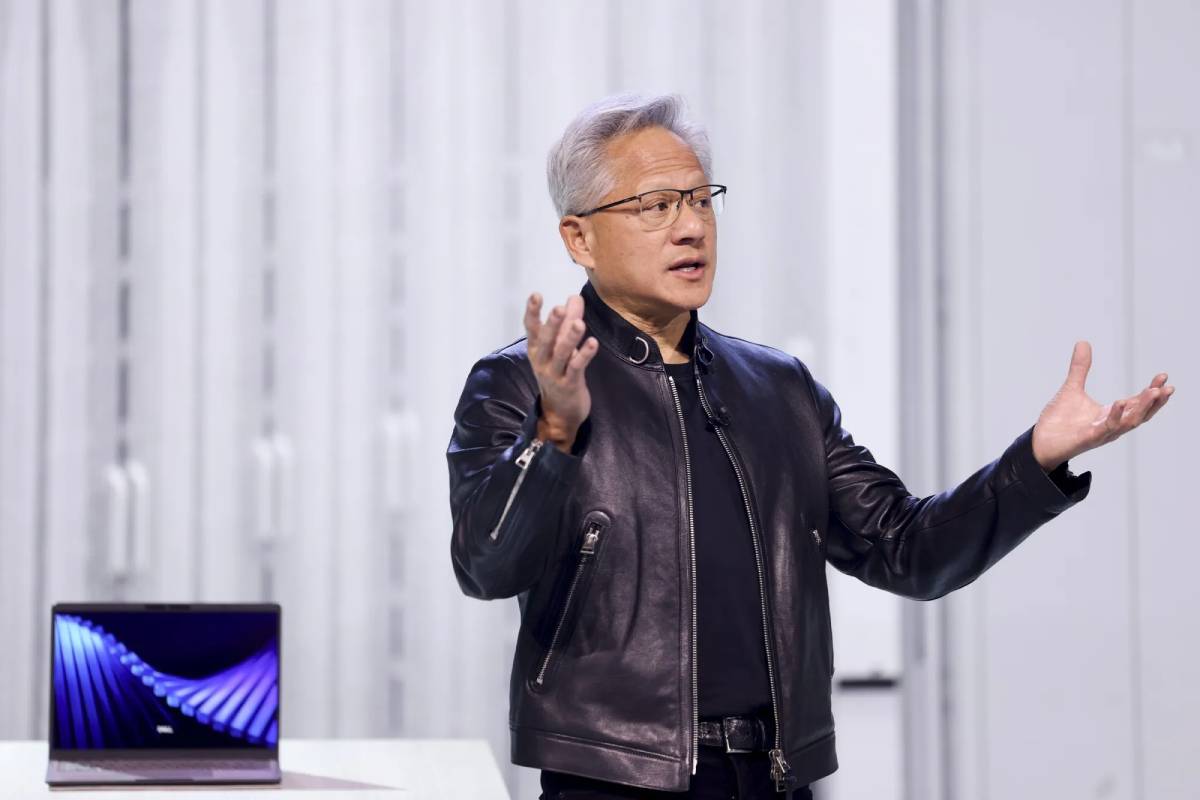
Image Source: Bloomberg Report

A significant geopolitical and technological signal emerged as Jensen Huang suggested that China may reopen its market to American AI chips. The comments arrive amid ongoing US-China technology tensions, carrying major implications for semiconductor trade, global AI competition, and multinational technology supply chains.

Speaking amid intensifying global competition in artificial intelligence infrastructure, NVIDIA CEO Jensen Huang indicated optimism that China could become more open to importing advanced AI chips from US firms. The remarks come after prolonged restrictions and geopolitical tensions that reshaped semiconductor trade between Washington and Beijing.

NVIDIA has been heavily affected by export controls limiting shipments of advanced AI processors to China, one of the world’s largest technology markets. Huang’s comments suggest industry expectations that commercial pressures and demand for AI computing may eventually encourage greater market access and renewed semiconductor trade flows between the two global powers.

The semiconductor sector has become one of the central battlegrounds in US-China strategic competition. Over recent years, Washington introduced export controls targeting advanced AI chips and semiconductor technologies, citing national security concerns and efforts to limit China’s access to cutting-edge computing capabilities.

NVIDIA, which dominates the global AI accelerator market, has faced restrictions on selling some of its most advanced processors to Chinese customers. In response, China accelerated domestic semiconductor investment while expanding efforts to build self-sufficient AI infrastructure ecosystems.

The development aligns with a broader trend where AI technologies are increasingly intertwined with geopolitics, trade policy, and industrial strategy. Control over advanced semiconductors is now viewed by governments as strategically important not only for economic growth, but also for military, cybersecurity, and technological leadership objectives.

Industry analysts interpret Huang’s comments as a reflection of mounting commercial pressure to stabilize semiconductor trade between the United States and China. Experts argue that global AI growth may be difficult to sustain if one of the world’s largest technology markets remains partially isolated from leading chip suppliers.

Technology strategists note that Chinese demand for AI infrastructure remains enormous despite export restrictions. Analysts also emphasize that semiconductor firms continue seeking ways to balance regulatory compliance with maintaining access to international growth markets.

Geopolitical observers caution, however, that any reopening of AI chip trade would likely remain subject to evolving national security frameworks and export oversight mechanisms. The semiconductor industry increasingly operates within a complex environment where commercial interests, diplomatic relations, and strategic competition are deeply interconnected.

For businesses, renewed semiconductor access between the US and China could ease supply constraints and accelerate deployment of AI infrastructure across global markets. Technology firms operating internationally may benefit from more stable semiconductor trade conditions and broader access to AI computing resources.

For investors, Huang’s remarks reinforce the central role of geopolitics in shaping semiconductor valuations and long-term AI infrastructure growth. For policymakers, the issue highlights the challenge of balancing economic competitiveness with national security objectives. Analysts warn that governments may continue refining export control policies as AI chips become increasingly critical to strategic technological leadership and digital sovereignty.

Looking ahead, markets will closely watch whether regulatory conditions evolve to permit expanded AI chip trade between the United States and China. Decision-makers will also monitor broader diplomatic developments and potential shifts in semiconductor policy. Key uncertainties include export control enforcement, domestic Chinese chip development progress, and whether geopolitical tensions continue reshaping the future structure of the global AI economy.

Source: Bloomberg Report
Date: May 18, 2026

  • Featured tools
Beautiful AI
Free

Beautiful AI is an AI-powered presentation platform that automates slide design and formatting, enabling users to create polished, on-brand presentations quickly.

#
Presentation
Learn more
Upscayl AI
Free

Upscayl AI is a free, open-source AI-powered tool that enhances and upscales images to higher resolutions. It transforms blurry or low-quality visuals into sharp, detailed versions with ease.

#
Productivity
Learn more

Learn more about future of AI

Join 80,000+ Ai enthusiast getting weekly updates on exciting AI tools.
Thank you! Your submission has been received!
Oops! Something went wrong while submitting the form.

NVIDIA Signals China Reopening For US AI Chips

May 19, 2026

Speaking amid intensifying global competition in artificial intelligence infrastructure, NVIDIA CEO Jensen Huang indicated optimism that China could become more open to importing advanced AI chips from US firms.

Image Source: Bloomberg Report

A significant geopolitical and technological signal emerged as Jensen Huang suggested that China may reopen its market to American AI chips. The comments arrive amid ongoing US-China technology tensions, carrying major implications for semiconductor trade, global AI competition, and multinational technology supply chains.

Speaking amid intensifying global competition in artificial intelligence infrastructure, NVIDIA CEO Jensen Huang indicated optimism that China could become more open to importing advanced AI chips from US firms. The remarks come after prolonged restrictions and geopolitical tensions that reshaped semiconductor trade between Washington and Beijing.

NVIDIA has been heavily affected by export controls limiting shipments of advanced AI processors to China, one of the world’s largest technology markets. Huang’s comments suggest industry expectations that commercial pressures and demand for AI computing may eventually encourage greater market access and renewed semiconductor trade flows between the two global powers.

The semiconductor sector has become one of the central battlegrounds in US-China strategic competition. Over recent years, Washington introduced export controls targeting advanced AI chips and semiconductor technologies, citing national security concerns and efforts to limit China’s access to cutting-edge computing capabilities.

NVIDIA, which dominates the global AI accelerator market, has faced restrictions on selling some of its most advanced processors to Chinese customers. In response, China accelerated domestic semiconductor investment while expanding efforts to build self-sufficient AI infrastructure ecosystems.

The development aligns with a broader trend where AI technologies are increasingly intertwined with geopolitics, trade policy, and industrial strategy. Control over advanced semiconductors is now viewed by governments as strategically important not only for economic growth, but also for military, cybersecurity, and technological leadership objectives.

Industry analysts interpret Huang’s comments as a reflection of mounting commercial pressure to stabilize semiconductor trade between the United States and China. Experts argue that global AI growth may be difficult to sustain if one of the world’s largest technology markets remains partially isolated from leading chip suppliers.

Technology strategists note that Chinese demand for AI infrastructure remains enormous despite export restrictions. Analysts also emphasize that semiconductor firms continue seeking ways to balance regulatory compliance with maintaining access to international growth markets.

Geopolitical observers caution, however, that any reopening of AI chip trade would likely remain subject to evolving national security frameworks and export oversight mechanisms. The semiconductor industry increasingly operates within a complex environment where commercial interests, diplomatic relations, and strategic competition are deeply interconnected.

For businesses, renewed semiconductor access between the US and China could ease supply constraints and accelerate deployment of AI infrastructure across global markets. Technology firms operating internationally may benefit from more stable semiconductor trade conditions and broader access to AI computing resources.

For investors, Huang’s remarks reinforce the central role of geopolitics in shaping semiconductor valuations and long-term AI infrastructure growth. For policymakers, the issue highlights the challenge of balancing economic competitiveness with national security objectives. Analysts warn that governments may continue refining export control policies as AI chips become increasingly critical to strategic technological leadership and digital sovereignty.

Looking ahead, markets will closely watch whether regulatory conditions evolve to permit expanded AI chip trade between the United States and China. Decision-makers will also monitor broader diplomatic developments and potential shifts in semiconductor policy. Key uncertainties include export control enforcement, domestic Chinese chip development progress, and whether geopolitical tensions continue reshaping the future structure of the global AI economy.

Source: Bloomberg Report
Date: May 18, 2026

Promote Your Tool

Copy Embed Code

Similar Blogs

June 19, 2026
|

Apple iPhone Camera Controls Expand AI

The report outlines how users can modify or disable AI-assisted camera functions on Apple iPhone devices, particularly features that influence image processing and computational enhancements.
Read more
June 19, 2026
|

Samsung Expands Galaxy AI Controls Push

The guide details how users can adjust or disable AI-driven features on Samsung Galaxy smartphones, including tools integrated into Samsung Galaxy smartphones.
Read more
June 19, 2026
|

Google Expands Smart Home Ecosystem

The latest compilation of Google voice commands focuses on how users can interact with Google Assistant and connected smart home systems. Commands span entertainment, home automation, productivity, navigation.
Read more
June 19, 2026
|

AI Dating Apps Face User Backlash

Survey data indicates that while adoption of AI-based dating assistants and companion tools is increasing, user sentiment is becoming increasingly polarized.
Read more
June 19, 2026
|

Apple Signals Price Hikes Amid Cost Pressures

Apple CEO Tim Cook indicated that escalating costs tied to components such as memory, advanced processors, and logistics are becoming structurally embedded across the company’s manufacturing pipeline.
Read more
June 19, 2026
|

Adobe Embeds AI Assistants Across Tools

Adobe is positioning these assistants as task-oriented agents capable of handling repetitive editing workflows such as object removal.
Read more