
OpenAI Codex Expands Mobile AI Platform

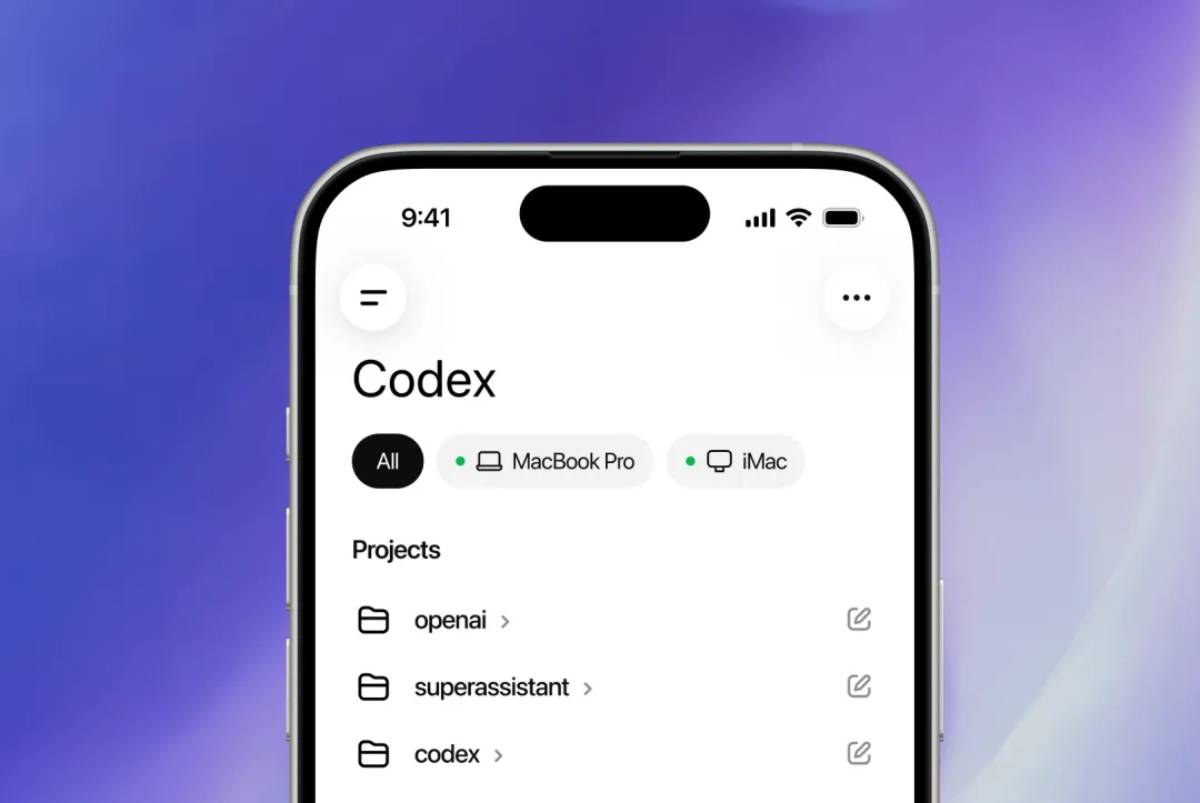
OpenAI has introduced Codex functionality within the ChatGPT mobile app, enabling users to generate, modify, and assist with coding tasks directly from smartphones.

May 15, 2026
|
Image Source: The Verge

A significant advancement in mobile artificial intelligence tools has emerged as OpenAI integrates its Codex coding capabilities directly into the ChatGPT mobile application. The development signals a strategic shift toward transforming mobile AI assistants into full-fledged software development environments, with implications for developers, enterprises, and the broader global software ecosystem.

OpenAI has introduced Codex functionality within the ChatGPT mobile app, enabling users to generate, modify, and assist with coding tasks directly from smartphones. The integration expands ChatGPT’s role beyond conversational AI into active software engineering support, allowing developers to write code snippets, debug programs, and prototype applications on mobile devices. The feature is currently being rolled out as part of a preview phase across iOS and Android platforms.

The move reflects OpenAI’s broader strategy to embed AI-assisted programming tools across multiple form factors, including desktop environments, cloud-based systems, and now mobile ecosystems. The development intensifies competition in the AI developer tools market, where firms like Microsoft and Google are also rapidly expanding AI-assisted coding capabilities within their platforms.

The development aligns with a broader transformation in the global software industry, where artificial intelligence is increasingly becoming a core layer in the software development lifecycle. AI-powered coding assistants are reshaping how developers write, test, and deploy applications, significantly reducing development time and lowering barriers to entry.

Over the past few years, tools such as GitHub Copilot and similar AI-driven platforms have demonstrated strong adoption among developers, signaling a structural shift toward “AI-native programming environments.” The integration of Codex into mobile platforms represents the next stage of this evolution, extending AI development capabilities beyond traditional desktop IDEs.

This shift is also tied to broader trends in cloud computing, edge AI, and developer ecosystem competition. Technology companies are increasingly seeking to lock developers into integrated ecosystems that combine AI models, cloud infrastructure, and application deployment tools.

The geopolitical and economic context is also relevant. As AI becomes central to productivity and software creation, countries and corporations are investing heavily in developer infrastructure as a strategic asset, viewing software talent and AI tooling as key drivers of future economic competitiveness.

Industry analysts suggest that integrating Codex into mobile platforms could significantly expand the accessibility of software development, enabling non-traditional developers and professionals outside the tech industry to build and modify applications more easily.

Experts argue that mobile-first AI development tools could reshape workflows in industries such as education, business operations, and field services, where on-the-go coding and automation may become increasingly valuable.

Technology observers also highlight that this move strengthens OpenAI’s position in the rapidly growing AI developer tools market, directly competing with ecosystem-integrated offerings from Microsoft and Google. Analysts note that control over developer workflows is becoming a critical competitive advantage in the AI era.

At the same time, some experts caution that expanding powerful coding tools to mobile devices raises new challenges around security, code quality, and responsible usage. Concerns include potential misuse, unverified code deployment, and the need for stronger safeguards in AI-generated software environments.

For businesses, the integration of AI coding tools into mobile platforms could significantly accelerate software development cycles, enabling faster prototyping, automation, and deployment across industries. Companies may increasingly adopt AI-assisted development as a standard productivity tool for technical and non-technical teams alike.

Investors are likely to view AI developer platforms as a high-growth segment within the broader artificial intelligence ecosystem. Firms that successfully integrate AI into end-to-end development workflows may gain strong competitive positioning in enterprise software markets.

For policymakers, the expansion of AI coding tools raises important questions around software security, intellectual property, and accountability for AI-generated code. Regulatory frameworks may need to evolve to address risks associated with automated software creation and deployment at scale.

The evolution of ChatGPT into a mobile AI development platform signals a broader shift toward ubiquitous software creation tools powered by artificial intelligence. Decision-makers will closely watch adoption rates, developer response, and enterprise integration patterns. The future of software development may increasingly be defined by AI-first environments that blur the boundaries between coding, automation, and natural language interaction.

Source: The Verge
Date: May 15, 2026

  • Featured tools
Outplay AI
Free

Outplay AI is a dynamic sales engagement platform combining AI-powered outreach, multi-channel automation, and performance tracking to help teams optimize conversion and pipeline generation.

#
Sales
Learn more
Wonder AI
Free

Wonder AI is a versatile AI-powered creative platform that generates text, images, and audio with minimal input, designed for fast storytelling, visual creation, and audio content generation

#
Art Generator
Learn more

Learn more about future of AI

Join 80,000+ Ai enthusiast getting weekly updates on exciting AI tools.
Thank you! Your submission has been received!
Oops! Something went wrong while submitting the form.

OpenAI Codex Expands Mobile AI Platform

May 15, 2026

OpenAI has introduced Codex functionality within the ChatGPT mobile app, enabling users to generate, modify, and assist with coding tasks directly from smartphones.

Image Source: The Verge

A significant advancement in mobile artificial intelligence tools has emerged as OpenAI integrates its Codex coding capabilities directly into the ChatGPT mobile application. The development signals a strategic shift toward transforming mobile AI assistants into full-fledged software development environments, with implications for developers, enterprises, and the broader global software ecosystem.

OpenAI has introduced Codex functionality within the ChatGPT mobile app, enabling users to generate, modify, and assist with coding tasks directly from smartphones. The integration expands ChatGPT’s role beyond conversational AI into active software engineering support, allowing developers to write code snippets, debug programs, and prototype applications on mobile devices. The feature is currently being rolled out as part of a preview phase across iOS and Android platforms.

The move reflects OpenAI’s broader strategy to embed AI-assisted programming tools across multiple form factors, including desktop environments, cloud-based systems, and now mobile ecosystems. The development intensifies competition in the AI developer tools market, where firms like Microsoft and Google are also rapidly expanding AI-assisted coding capabilities within their platforms.

The development aligns with a broader transformation in the global software industry, where artificial intelligence is increasingly becoming a core layer in the software development lifecycle. AI-powered coding assistants are reshaping how developers write, test, and deploy applications, significantly reducing development time and lowering barriers to entry.

Over the past few years, tools such as GitHub Copilot and similar AI-driven platforms have demonstrated strong adoption among developers, signaling a structural shift toward “AI-native programming environments.” The integration of Codex into mobile platforms represents the next stage of this evolution, extending AI development capabilities beyond traditional desktop IDEs.

This shift is also tied to broader trends in cloud computing, edge AI, and developer ecosystem competition. Technology companies are increasingly seeking to lock developers into integrated ecosystems that combine AI models, cloud infrastructure, and application deployment tools.

The geopolitical and economic context is also relevant. As AI becomes central to productivity and software creation, countries and corporations are investing heavily in developer infrastructure as a strategic asset, viewing software talent and AI tooling as key drivers of future economic competitiveness.

Industry analysts suggest that integrating Codex into mobile platforms could significantly expand the accessibility of software development, enabling non-traditional developers and professionals outside the tech industry to build and modify applications more easily.

Experts argue that mobile-first AI development tools could reshape workflows in industries such as education, business operations, and field services, where on-the-go coding and automation may become increasingly valuable.

Technology observers also highlight that this move strengthens OpenAI’s position in the rapidly growing AI developer tools market, directly competing with ecosystem-integrated offerings from Microsoft and Google. Analysts note that control over developer workflows is becoming a critical competitive advantage in the AI era.

At the same time, some experts caution that expanding powerful coding tools to mobile devices raises new challenges around security, code quality, and responsible usage. Concerns include potential misuse, unverified code deployment, and the need for stronger safeguards in AI-generated software environments.

For businesses, the integration of AI coding tools into mobile platforms could significantly accelerate software development cycles, enabling faster prototyping, automation, and deployment across industries. Companies may increasingly adopt AI-assisted development as a standard productivity tool for technical and non-technical teams alike.

Investors are likely to view AI developer platforms as a high-growth segment within the broader artificial intelligence ecosystem. Firms that successfully integrate AI into end-to-end development workflows may gain strong competitive positioning in enterprise software markets.

For policymakers, the expansion of AI coding tools raises important questions around software security, intellectual property, and accountability for AI-generated code. Regulatory frameworks may need to evolve to address risks associated with automated software creation and deployment at scale.

The evolution of ChatGPT into a mobile AI development platform signals a broader shift toward ubiquitous software creation tools powered by artificial intelligence. Decision-makers will closely watch adoption rates, developer response, and enterprise integration patterns. The future of software development may increasingly be defined by AI-first environments that blur the boundaries between coding, automation, and natural language interaction.

Source: The Verge
Date: May 15, 2026

Promote Your Tool

Copy Embed Code

Similar Blogs

June 8, 2026
|

Legora Tech Chief Slams Tokenmaxxing AI Debate Intensifies

The chief technology officer of Legora publicly criticized the emerging practice known as “tokenmaxxing,” describing it as an inefficient and misguided approach to encouraging artificial intelligence usage.
Read more
June 8, 2026
|

JPMorgan Boosts AI Strategy Leadership Hire

JPMorgan Chase has reportedly hired Nomura’s international AI strategy chief to strengthen its global artificial intelligence roadmap.
Read more
June 8, 2026
|

Chrome AI Strategy Sparks Privacy Debate

Reports indicate that Google Chrome may have downloaded a substantial AI model estimated at several gigabytes onto user systems without explicit user awareness.
Read more
June 8, 2026
|

Altman Trump Meeting Raises AI Stakes

Sam Altman reportedly met with Donald Trump following discussion around a recent U.S. executive order on artificial intelligence that, according to reports, imposes limited direct requirements on industry players.
Read more
June 8, 2026
|

Apple AI Settlement Opens User Claims Window

Apple has agreed to a $250 million settlement addressing claims tied to AI-driven iPhone functionalities and user impact concerns. Eligible users may now file claims within a defined submission window.
Read more
June 8, 2026
|

Microsoft AI Expansion Sparks Backlash Energy Impact

During a recent event where Microsoft showcased its latest AI advancements, protesters gathered outside opposing the expansion of large-scale AI data centers.
Read more