



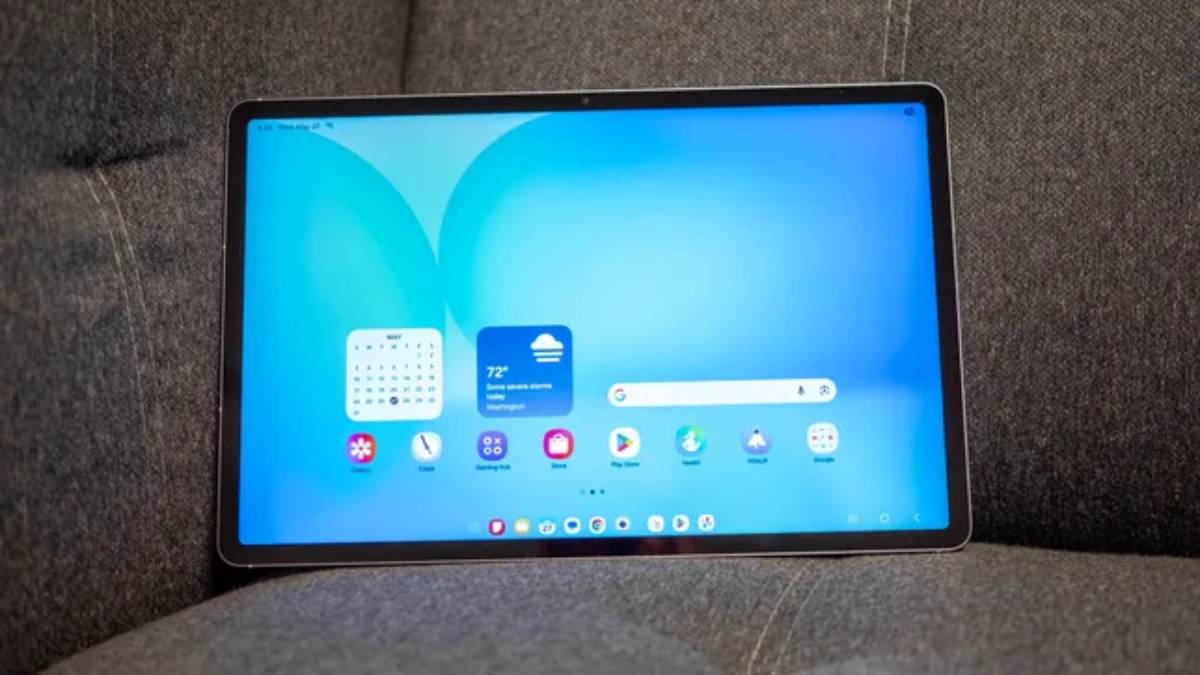
A strategic product expansion from Samsung has positioned the Galaxy Tab S10 FE Plus as a value-focused addition to its tablet lineup. The device targets productivity-oriented consumers seeking premium-like features at a lower price point, reflecting growing competition in the mid-tier tablet segment across global consumer electronics markets.
The Galaxy Tab S10 FE Plus, reviewed by CNET, highlights Samsung’s continued push into the mid-range tablet category. The device offers a large display, stylus support, and productivity-focused software features typically associated with higher-end models.
The review notes that while the tablet does not compete directly with flagship devices, it delivers a balanced performance suitable for work, media consumption, and light creative tasks. The launch reinforces Samsung’s strategy of segmenting its tablet portfolio to address both premium and cost-sensitive users in a slowing global tablet market where replacement cycles are lengthening.
The introduction of the Galaxy Tab S10 FE Plus reflects broader dynamics in the global tablet industry, where manufacturers are increasingly focusing on value segmentation to sustain demand. As premium device upgrades slow, companies like Samsung are expanding mid-tier offerings to capture users seeking productivity features without flagship pricing.
The tablet market has evolved significantly since its peak growth phase, with demand now driven by hybrid work, digital education, and content consumption. This shift has encouraged OEMs to integrate stylus support, desktop-like interfaces, and AI-assisted productivity tools into mid-range devices.
Historically, Samsung has maintained a strong presence across multiple price tiers, competing with Apple in premium segments while defending market share in affordable categories. The FE (Fan Edition) strategy reflects this dual approach, blending cost efficiency with core flagship experiences for broader market reach.
Industry analysts suggest that Samsung is leveraging its FE lineup to strengthen ecosystem lock-in while addressing price-sensitive demand segments. Experts note that mid-tier tablets are becoming increasingly important as enterprises and educational institutions adopt large-scale device deployment strategies.
Technology reviewers highlight that the Galaxy Tab S10 FE Plus delivers strong value in terms of display quality, battery life, and productivity features, though it naturally lacks the performance headroom of premium tablets. Analysts also point out that Samsung’s software ecosystem, including multitasking tools and stylus integration, remains a key differentiator.
Market observers emphasize that the tablet category is now highly dependent on niche demand rather than mass consumer upgrades. While Samsung does not publicly disclose detailed segment breakdowns, industry commentary suggests that FE models play a critical role in maintaining volume sales in an otherwise mature hardware market.
For businesses, the Galaxy Tab S10 FE Plus reinforces the importance of mid-range device strategy in maintaining hardware market share amid slowing upgrade cycles. Enterprises may increasingly adopt such devices for cost-effective workforce digitization, particularly in education, logistics, and field operations.
For investors, Samsung’s diversified portfolio strategy helps stabilize revenue streams across premium and value segments. For consumers, the device expands access to productivity-grade features at lower price points, improving affordability in the tablet ecosystem.
From a broader industry perspective, competition in the mid-tier segment is intensifying, pushing manufacturers to differentiate through software ecosystems, stylus capabilities, and AI-enhanced productivity tools.
The success of Samsung’s Galaxy Tab S10 FE Plus will depend on pricing competitiveness, enterprise adoption, and long-term software support. Future demand will likely hinge on hybrid work trends and education sector uptake. As the tablet market stabilizes, mid-range devices are expected to remain a key growth driver, particularly for users seeking productivity features without flagship-level investment.
Source: CNET
Date: June 3, 2026


