



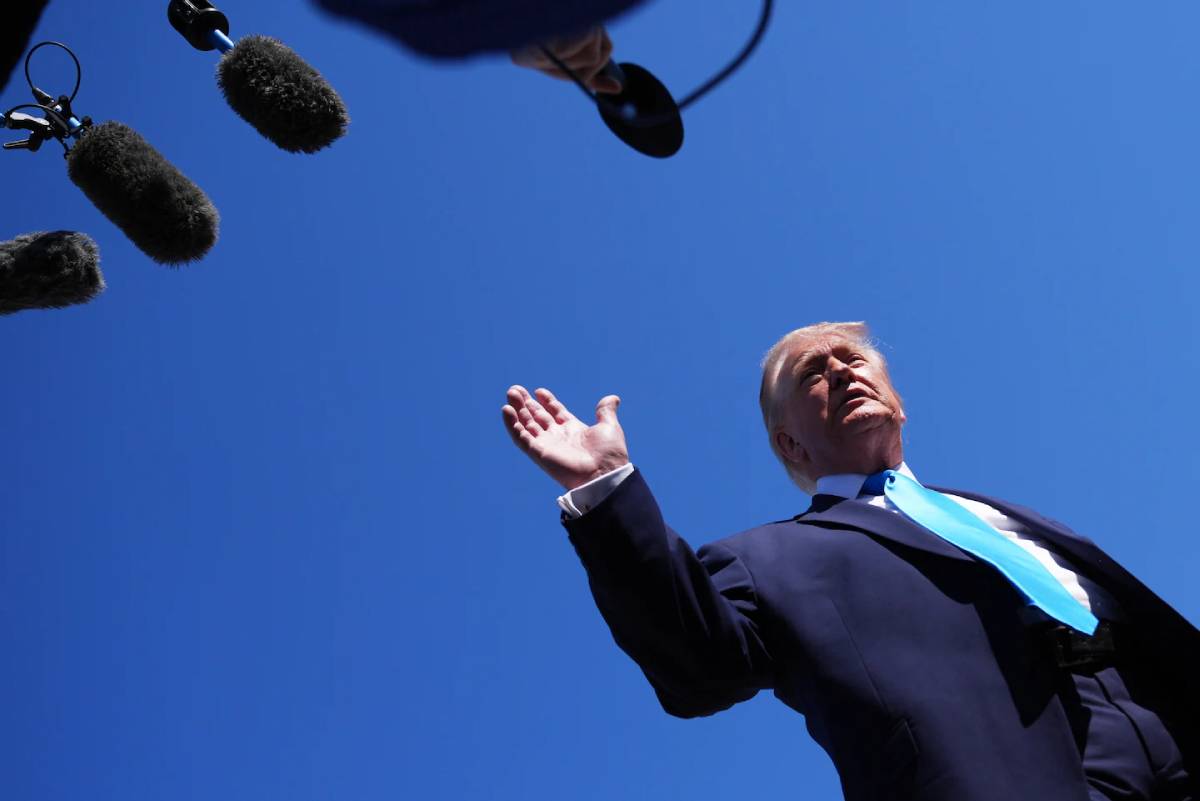
Intense lobbying from major technology firms and industry leaders reportedly contributed to the suspension of a planned White House executive order on artificial intelligence. The episode highlights the growing influence of Silicon Valley in shaping U.S. AI policy and underscores escalating tensions between regulatory oversight and the technology sector’s push for innovation flexibility.
According to reports, the Trump administration was preparing an executive order focused on artificial intelligence governance before the initiative was abruptly halted following industry intervention. Technology executives and policy advocates reportedly raised concerns that the proposed framework could slow innovation, increase compliance burdens, and weaken America’s competitive position against China.
The discussions occurred amid broader debates around AI safety, national security, and economic competitiveness. The expected order was believed to include provisions tied to oversight, procurement standards, and federal AI deployment practices. The reversal signals how rapidly evolving AI policy is becoming intertwined with corporate lobbying, geopolitical strategy, and domestic economic priorities.
Artificial intelligence regulation has emerged as one of the defining policy battlegrounds for governments and technology companies worldwide. In the United States, policymakers are attempting to balance national security concerns, labor disruption risks, and misinformation threats against the economic benefits of rapid AI deployment. Silicon Valley firms have increasingly argued that overly restrictive regulation could undermine American leadership in the global AI race, particularly as China accelerates investment in state-backed AI infrastructure.
The debate mirrors earlier tensions surrounding internet governance and social media regulation, where innovation often outpaced legislative frameworks. Over the past two years, executive orders and voluntary safety commitments have become interim tools while lawmakers struggle to establish comprehensive AI legislation. The latest episode demonstrates how fragmented and politically sensitive AI governance remains.
Policy analysts suggest the halted order reflects the growing leverage of technology companies in Washington’s AI decision-making process. Some experts argue that industry involvement is necessary because regulators lack technical expertise and risk introducing impractical rules. Others warn that allowing dominant firms to shape policy too heavily could weaken accountability and create regulatory capture. National security observers emphasize that AI governance increasingly overlaps with cybersecurity, defense readiness, and global technological influence.
Industry leaders have consistently advocated for “innovation-friendly” regulation focused on transparency and standards rather than restrictive licensing models. Meanwhile, governance experts note that uncertainty around federal AI policy may create operational challenges for businesses seeking long-term compliance clarity across multiple jurisdictions.
For technology companies, the delay may provide temporary relief from potentially burdensome compliance measures and preserve flexibility for AI product deployment. Investors are likely to interpret the move as supportive of continued rapid expansion across AI infrastructure and software markets.
However, prolonged regulatory uncertainty may complicate strategic planning for enterprises operating in heavily regulated sectors such as finance, healthcare, and defense. Policymakers could face increasing pressure to establish clearer federal standards as states and international regulators advance their own frameworks. The broader implication is that AI governance may evolve through negotiated compromise between governments and major technology firms rather than through unilateral regulatory mandates.
The debate over federal AI regulation is expected to intensify as election-year politics, national security concerns, and commercial competition converge. Businesses should closely monitor whether the administration revises the proposal or pursues narrower sector-specific measures instead. The next phase of AI governance in the United States will likely depend on how policymakers balance innovation incentives with mounting demands for oversight, transparency, and accountability.
Source: The Washington Post
Date: May 2026


