
Swiss Summit Ends With Strong Security

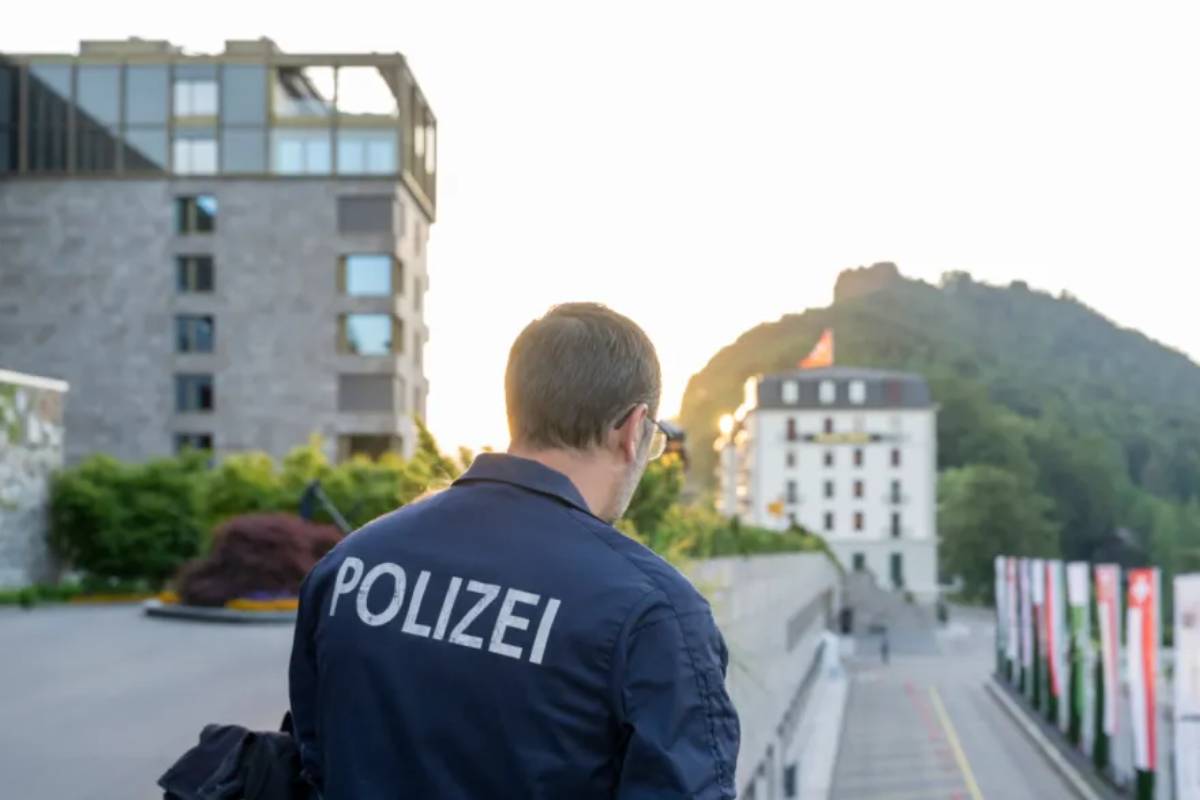
The Canton of Nidwalden and Swiss federal authorities have concluded that security arrangements during the Bürgenstock summit were highly effective.

June 25, 2026
|
Image Source: Swissinfo

Swiss authorities have expressed satisfaction with the overall security performance during the high-profile Bürgenstock diplomatic summit. The event, which brought together international stakeholders for sensitive discussions, was conducted without major incidents, reinforcing Switzerland’s reputation as a secure and stable venue for global diplomacy and high-level negotiations.

The Canton of Nidwalden and Swiss federal authorities have concluded that security arrangements during the Bürgenstock summit were highly effective. The summit required extensive coordination between local law enforcement, federal security agencies, and international protection units to ensure the safety of delegates and surrounding infrastructure.

Authorities reported that the operation proceeded smoothly, with no significant disruptions recorded throughout the event. The large-scale security deployment included traffic management, restricted access zones, surveillance operations, and coordination with private security partners at the venue.

The summit brought significant logistical demands to the region, including temporary restrictions on public access and the redirection of hotel and transport services. Despite these constraints, officials described the execution as efficient and well-managed.

The development aligns with a broader trend across global markets where high-level diplomatic summits are increasingly hosted in secure, neutral, and privately managed venues. Switzerland, in particular, has long positioned itself as a global hub for international negotiations due to its political neutrality and strong security infrastructure.

The Bürgenstock summit is part of a continuing pattern of Switzerland hosting sensitive diplomatic engagements involving multiple global stakeholders. These events require advanced coordination between cantonal authorities, federal agencies, and international security services.

Historically, Switzerland has hosted numerous peace talks and multilateral discussions, reinforcing its role as a trusted intermediary in global diplomacy. The increasing complexity of modern geopolitical tensions has further elevated the importance of secure and controlled environments for international dialogue.

At the same time, such events place significant operational pressure on local infrastructure, requiring careful balancing between public access, tourism, and security imperatives.

Security analysts note that Switzerland’s ability to successfully manage large-scale diplomatic security operations reinforces its global reputation as a reliable host for international summits. The absence of major incidents is often viewed as a key indicator of operational success in such high-risk environments.

Governance experts highlight that multi-agency coordination is essential for events of this scale, particularly when multiple international delegations are involved. The Bürgenstock summit is seen as an example of effective collaboration between local and federal authorities.

Political observers emphasize that Switzerland’s neutrality plays a critical role in enabling it to host sensitive negotiations, as it reduces perceived bias and enhances trust among participating parties.

Security policy specialists also point out that modern summit protection increasingly relies on integrated systems combining physical security, digital surveillance, and intelligence sharing across jurisdictions.

Tourism and hospitality analysts add that while such events create short-term disruptions, they often enhance the long-term prestige of host locations, strengthening their positioning in the global events and luxury travel markets.

For Switzerland, the successful execution of the summit reinforces its strategic value as a global diplomatic hub, potentially attracting future high-profile negotiations and international events.

For the hospitality and tourism sector, the event demonstrates both opportunity and disruption, as security requirements can temporarily limit commercial activity while simultaneously boosting global visibility.

For policymakers, the outcome highlights the importance of continued investment in security infrastructure and inter-agency coordination capabilities to support large-scale international engagements.

For global stakeholders, Switzerland’s performance strengthens confidence in its ability to host sensitive negotiations in a stable and secure environment. Switzerland is likely to continue serving as a preferred location for international diplomatic summits, particularly as geopolitical complexity increases. Future events may require even more advanced security coordination and infrastructure planning.

Decision-makers should monitor how Switzerland evolves its summit hosting framework, particularly in balancing security efficiency with economic and tourism impacts. The Bürgenstock outcome reinforces its long-term positioning in global diplomacy.

Source: Swissinfo
Date: June 25, 2026

  • Featured tools
WellSaid Ai
Free

WellSaid AI is an advanced text-to-speech platform that transforms written text into lifelike, human-quality voiceovers.

#
Text to Speech
Learn more
Kreateable AI
Free

Kreateable AI is a white-label, AI-driven design platform that enables logo generation, social media posts, ads, and more for businesses, agencies, and service providers.

#
Logo Generator
Learn more

Learn more about future of AI

Join 80,000+ Ai enthusiast getting weekly updates on exciting AI tools.
Thank you! Your submission has been received!
Oops! Something went wrong while submitting the form.

Swiss Summit Ends With Strong Security

June 25, 2026

The Canton of Nidwalden and Swiss federal authorities have concluded that security arrangements during the Bürgenstock summit were highly effective.

Image Source: Swissinfo

Swiss authorities have expressed satisfaction with the overall security performance during the high-profile Bürgenstock diplomatic summit. The event, which brought together international stakeholders for sensitive discussions, was conducted without major incidents, reinforcing Switzerland’s reputation as a secure and stable venue for global diplomacy and high-level negotiations.

The Canton of Nidwalden and Swiss federal authorities have concluded that security arrangements during the Bürgenstock summit were highly effective. The summit required extensive coordination between local law enforcement, federal security agencies, and international protection units to ensure the safety of delegates and surrounding infrastructure.

Authorities reported that the operation proceeded smoothly, with no significant disruptions recorded throughout the event. The large-scale security deployment included traffic management, restricted access zones, surveillance operations, and coordination with private security partners at the venue.

The summit brought significant logistical demands to the region, including temporary restrictions on public access and the redirection of hotel and transport services. Despite these constraints, officials described the execution as efficient and well-managed.

The development aligns with a broader trend across global markets where high-level diplomatic summits are increasingly hosted in secure, neutral, and privately managed venues. Switzerland, in particular, has long positioned itself as a global hub for international negotiations due to its political neutrality and strong security infrastructure.

The Bürgenstock summit is part of a continuing pattern of Switzerland hosting sensitive diplomatic engagements involving multiple global stakeholders. These events require advanced coordination between cantonal authorities, federal agencies, and international security services.

Historically, Switzerland has hosted numerous peace talks and multilateral discussions, reinforcing its role as a trusted intermediary in global diplomacy. The increasing complexity of modern geopolitical tensions has further elevated the importance of secure and controlled environments for international dialogue.

At the same time, such events place significant operational pressure on local infrastructure, requiring careful balancing between public access, tourism, and security imperatives.

Security analysts note that Switzerland’s ability to successfully manage large-scale diplomatic security operations reinforces its global reputation as a reliable host for international summits. The absence of major incidents is often viewed as a key indicator of operational success in such high-risk environments.

Governance experts highlight that multi-agency coordination is essential for events of this scale, particularly when multiple international delegations are involved. The Bürgenstock summit is seen as an example of effective collaboration between local and federal authorities.

Political observers emphasize that Switzerland’s neutrality plays a critical role in enabling it to host sensitive negotiations, as it reduces perceived bias and enhances trust among participating parties.

Security policy specialists also point out that modern summit protection increasingly relies on integrated systems combining physical security, digital surveillance, and intelligence sharing across jurisdictions.

Tourism and hospitality analysts add that while such events create short-term disruptions, they often enhance the long-term prestige of host locations, strengthening their positioning in the global events and luxury travel markets.

For Switzerland, the successful execution of the summit reinforces its strategic value as a global diplomatic hub, potentially attracting future high-profile negotiations and international events.

For the hospitality and tourism sector, the event demonstrates both opportunity and disruption, as security requirements can temporarily limit commercial activity while simultaneously boosting global visibility.

For policymakers, the outcome highlights the importance of continued investment in security infrastructure and inter-agency coordination capabilities to support large-scale international engagements.

For global stakeholders, Switzerland’s performance strengthens confidence in its ability to host sensitive negotiations in a stable and secure environment. Switzerland is likely to continue serving as a preferred location for international diplomatic summits, particularly as geopolitical complexity increases. Future events may require even more advanced security coordination and infrastructure planning.

Decision-makers should monitor how Switzerland evolves its summit hosting framework, particularly in balancing security efficiency with economic and tourism impacts. The Bürgenstock outcome reinforces its long-term positioning in global diplomacy.

Source: Swissinfo
Date: June 25, 2026

Promote Your Tool

Copy Embed Code

Similar Blogs

June 25, 2026
|

AI Healthcare Unlocks Transformation Potential

AI applications in healthcare are expanding across multiple domains, including clinical decision support, medical imaging, drug discovery, and patient management systems.
Read more
June 25, 2026
|

Helical Raises $10M for AI Drug Lab

The funding round will enable Helical to scale its virtual AI lab infrastructure, which simulates complex biological processes for drug discovery.
Read more
June 25, 2026
|

Digital Healthtech Faces Investor Pressure

The guidance highlights that digital health startups must now demonstrate stronger clinical validation, data security standards, and measurable patient outcomes to secure investor confidence.
Read more
June 25, 2026
|

Luxembourg Space Strategy Turns Decade

Over the past ten years, Luxembourg has systematically developed its space sector through targeted investments, policy frameworks, and partnerships with private space companies.
Read more
June 25, 2026
|

G7 Disrupts Geneva Trade Fair

The EPHJ trade fair, which brings together stakeholders from the watchmaking, microtechnology, and precision engineering sectors, experienced lower-than-expected attendance this year.
Read more
June 25, 2026
|

Swiss Steam Tram Gains Heritage Protection

The steam tram, located in Bern, has been formally listed as a protected monument following approval from heritage authorities.
Read more