



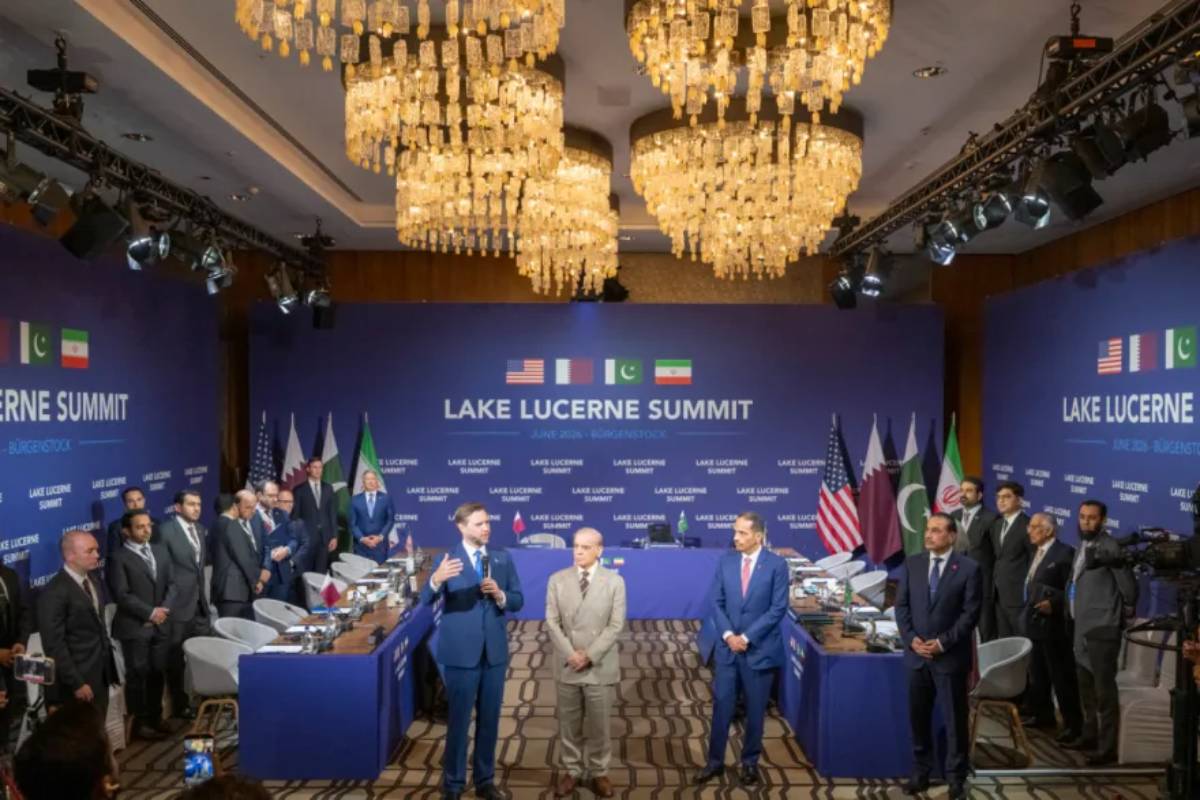
Switzerland has acknowledged “constructive progress” in recent Iran–US diplomatic discussions, underscoring renewed momentum in one of the world’s most sensitive geopolitical negotiations. The development signals cautious optimism for de-escalation, with implications for global security dynamics, energy markets, and international diplomatic alignment across major power blocs.
Swiss authorities, acting as facilitators of neutral diplomacy, reported positive signals emerging from Iran–US discussions held in a structured diplomatic setting. While no formal agreement has been announced, the characterization of “constructive progress” suggests incremental movement in dialogue between the two sides.
The talks are part of broader international efforts to reduce tensions surrounding sanctions, nuclear concerns, and regional stability in the Middle East. Switzerland’s role as a neutral intermediary continues to position it as a key diplomatic channel for sensitive negotiations. The development reflects cautious but notable engagement between Washington and Tehran amid ongoing geopolitical friction.
Iran–US relations have remained strained for decades, shaped by sanctions regimes, nuclear program disputes, and regional security conflicts. Diplomatic efforts have periodically broken down and restarted, often mediated by neutral parties such as Switzerland, which has historically served as a diplomatic intermediary for the United States in Iran-related matters.
The latest round of discussions comes at a time of heightened global geopolitical fragmentation, where energy security, Middle Eastern stability, and nuclear non-proliferation remain central concerns for international policymakers. Past agreements, including the Joint Comprehensive Plan of Action (JCPOA), demonstrated both the potential and fragility of diplomatic engagement in this domain.
Against this backdrop, even incremental progress is closely watched by governments, investors, and global institutions due to its potential ripple effects on oil markets, regional alliances, and international sanctions policy.
Geopolitical analysts suggest that Switzerland’s framing of “constructive progress” typically indicates cautious optimism rather than substantive breakthroughs. Experts emphasize that such diplomatic language often reflects agreement on dialogue continuity rather than resolution of core disputes.
Foreign policy observers note that even limited engagement between Iran and the United States can help reduce escalation risks in the Middle East, particularly in volatile energy corridors. However, analysts also warn that structural mistrust between the two sides remains a significant barrier to long-term agreements.
While no direct high-level quotations from negotiators were disclosed, diplomatic experts highlight Switzerland’s continued importance as a neutral facilitator in global conflict mediation. The absence of breakdown in talks is itself being interpreted as a stabilizing signal in an otherwise tense geopolitical environment.
For global energy markets, even modest diplomatic progress between Iran and the US can influence oil price expectations, sanctions risk premiums, and regional supply chain stability. Businesses operating in energy, logistics, and international trade are likely to monitor developments closely.
From a policy standpoint, governments may reassess diplomatic positioning and sanctions frameworks depending on future negotiation outcomes. Investors typically treat such signals as early indicators of reduced geopolitical risk, even if structural uncertainty remains.
For corporate leaders, the key takeaway is that geopolitical diplomacy is re-emerging as a critical driver of macroeconomic stability, particularly in energy-sensitive sectors and emerging markets.
Future developments will depend on whether dialogue translates into structured negotiation frameworks or remains exploratory in nature. Key indicators include follow-up meetings, formal proposals, and participation of broader international stakeholders. While uncertainty remains high, continued engagement reduces the immediate risk of escalation. Markets and policymakers will closely watch whether diplomatic momentum can be sustained beyond preliminary progress signals.
Source: Swissinfo
Date: June 23, 2026


