



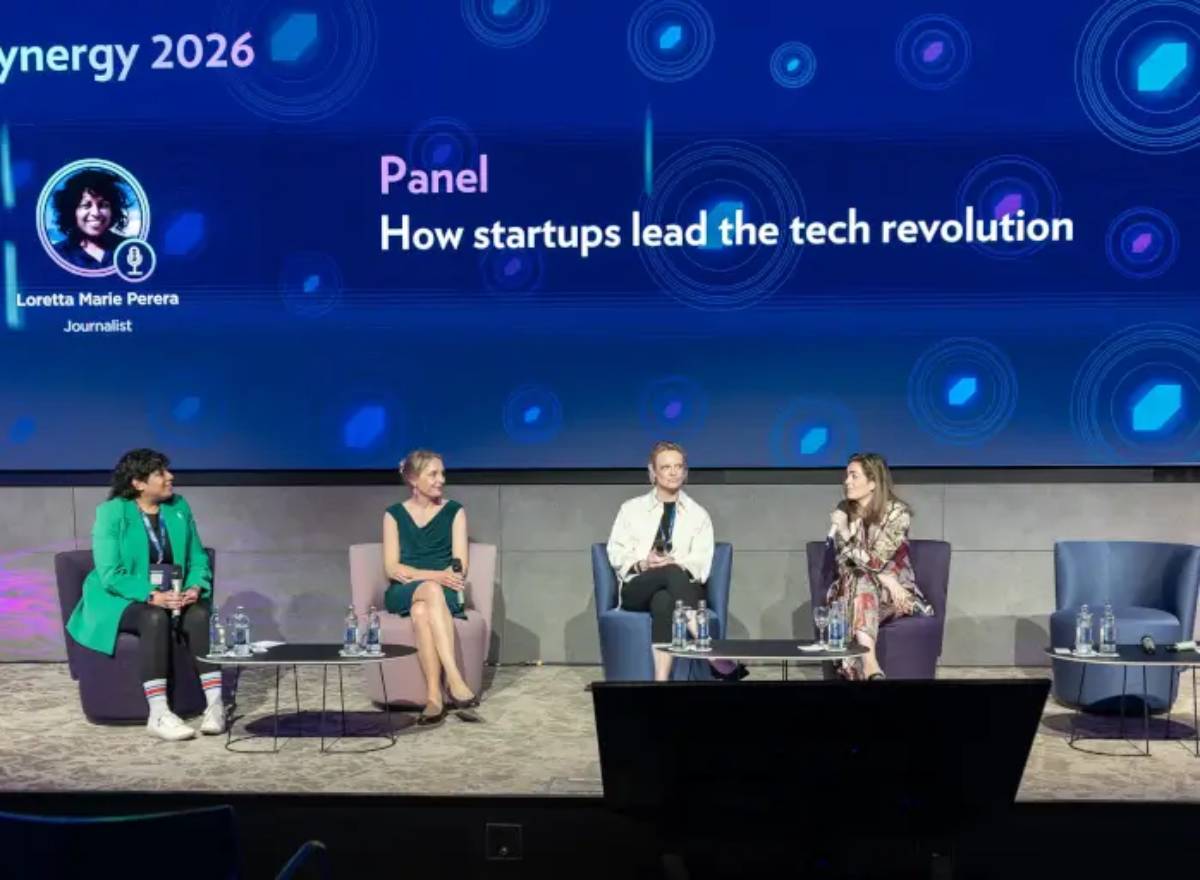
Europe’s artificial intelligence startup ecosystem is increasingly defining itself around trust, governance, and strategic execution rather than pure scale alone. As global competition intensifies, founders, investors, and policymakers are focusing on how European AI ventures can leverage regulatory credibility and responsible innovation to compete on the world stage.
The discussion highlights the growing importance of trust as a strategic asset within Europe’s AI ecosystem. Startup founders and ecosystem stakeholders are emphasizing transparency, ethical AI deployment, regulatory alignment, and long-term business sustainability as critical success factors.
European AI startups are increasingly positioning themselves around responsible innovation rather than pursuing growth at all costs. The conversation also underscores the role of strategic planning, investor confidence, and ecosystem collaboration in helping startups navigate a highly competitive global market.
As AI investment continues to accelerate worldwide, Europe is seeking to strengthen its position by building companies that combine technological excellence with strong governance and accountability frameworks.
The global AI race has become one of the defining economic and technological competitions of the decade. While the United States and China continue to dominate funding volumes, computational infrastructure, and large-scale AI development, Europe has increasingly sought differentiation through regulatory leadership and responsible innovation.
The introduction of the European Union AI Act and broader digital governance initiatives reflects the region’s commitment to creating trustworthy AI ecosystems. European policymakers argue that transparency, accountability, and consumer protection can become strategic advantages rather than barriers to innovation.
At the same time, AI startups face growing pressure to secure funding, attract talent, and scale internationally. The challenge for Europe is balancing innovation speed with governance requirements while ensuring that startups remain globally competitive. This tension has become a central theme across the continent’s entrepreneurial and investment communities.
Industry experts increasingly argue that trust is becoming a measurable business asset in the AI economy. Investors and enterprise customers are placing greater emphasis on explainability, data governance, compliance readiness, and ethical deployment practices when evaluating AI companies.
A startup ecosystem advisor noted that “technical capability alone is no longer sufficient; customers increasingly want confidence in how AI systems are built, governed, and monitored.” Analysts believe this trend could play to Europe’s strengths, particularly in sectors where regulation and trust are critical, such as healthcare, finance, cybersecurity, and public services.
Many ecosystem leaders also stress the importance of strategic execution. While Europe possesses strong research institutions and technical talent, experts contend that commercialization, market expansion, and capital access will ultimately determine whether European AI startups can compete effectively with larger international rivals.
For businesses, the shift toward trust-centered AI presents opportunities to differentiate products and services through transparency, security, and compliance. Organizations adopting AI solutions may increasingly favor providers that demonstrate strong governance standards.
For investors, the trend highlights the growing importance of evaluating not only technological innovation but also regulatory preparedness and long-term operational resilience. AI companies capable of balancing innovation with trust may command stronger market positioning.
From a policy perspective, the discussion reinforces Europe’s effort to establish global leadership in responsible AI development. Policymakers must ensure that regulations encourage innovation while avoiding excessive burdens that could limit startup growth and competitiveness.
Looking ahead, Europe’s AI ecosystem will be judged not only by the number of startups it creates but by its ability to scale globally competitive companies. Trust, governance, and strategic execution are expected to become increasingly important differentiators.
Decision-makers should monitor investment trends, regulatory developments, and international competitiveness indicators. The companies that successfully combine innovation with credibility may define Europe’s role in the next phase of the global AI economy.
Source: Startup Luxembourg
Date: June 23, 2026


