
US Tightens AI Security Oversight Rules

Consumers could ultimately benefit from enhanced safety measures, although tighter controls may also affect the pace of innovation and access to advanced AI capabilities.

June 17, 2026
|
Image Source:  Bloomberg

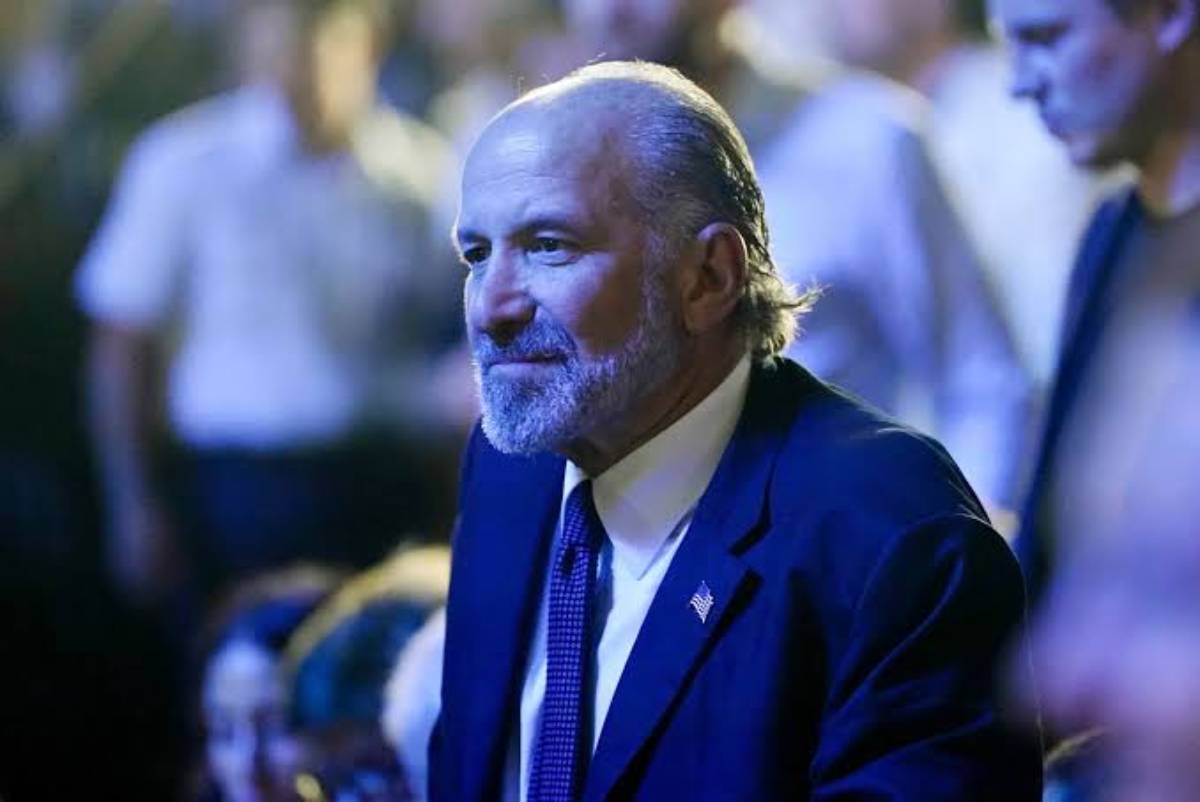
A significant policy development has emerged in the global AI race as reports indicate that U.S. Commerce Secretary Howard Lutnick warned AI company Anthropic about potential restrictions on advanced artificial intelligence models. The move highlights growing concerns among policymakers over national security, technology leadership, and the strategic implications of increasingly powerful AI systems, with consequences for technology firms, investors, and governments worldwide.

According to reports, Commerce Secretary Howard Lutnick sent a letter to Anthropic cautioning that the U.S. government may impose tighter controls on the development, deployment, or export of highly capable AI models. The communication reflects growing government attention toward frontier AI systems that could carry national security implications.

The development comes amid ongoing debates surrounding the governance of advanced AI technologies and the risks associated with unrestricted access to powerful models. Anthropic, one of the leading AI developers competing alongside OpenAI, Google, and xAI, has become a central participant in discussions around AI safety and responsible innovation.

The issue also intersects with broader geopolitical competition, particularly between the United States and China, where AI leadership is increasingly viewed as a strategic national priority. Potential restrictions could influence research collaboration, model deployment, and global technology competition.

The development aligns with a broader trend across global markets where governments are seeking greater oversight of advanced AI systems. As generative AI capabilities rapidly improve, policymakers have become increasingly concerned about cybersecurity risks, misinformation, military applications, and the potential misuse of highly sophisticated models.

Over the past several years, the United States has expanded export controls on advanced semiconductor technologies and AI-related hardware destined for strategic competitors. These measures were designed to preserve technological advantages while limiting access to critical computing resources.

At the same time, AI companies have accelerated investment in larger and more capable models, intensifying debates about regulation and safety. Anthropic has positioned itself as a prominent advocate for AI alignment and responsible development, making it a key participant in policy discussions surrounding frontier AI governance.

Historically, transformative technologies such as nuclear energy, telecommunications, and advanced computing have eventually attracted government oversight once their strategic significance became apparent. AI appears to be entering a similar phase of regulatory evolution.

Policy analysts view the reported letter as evidence that governments are moving beyond broad discussions of AI regulation toward more direct engagement with individual technology companies. Experts argue that advanced AI systems are increasingly being evaluated through both commercial and national security lenses.

Industry observers note that regulators face a difficult balancing act. Excessive restrictions could slow innovation and weaken competitiveness, while insufficient oversight may increase risks related to security, misuse, and societal disruption.

Many technology leaders have acknowledged the need for safety frameworks governing frontier AI systems. However, disagreements remain regarding how regulations should be implemented and which organizations should determine capability thresholds.

Geopolitical analysts suggest that AI governance is becoming intertwined with broader strategic competition among major powers. As a result, future policy decisions may increasingly resemble technology-export controls and national security regulations rather than traditional consumer-focused oversight frameworks.

The Anthropic case illustrates how AI firms now operate at the intersection of innovation, economic growth, and national security policy. For businesses, the development introduces additional uncertainty around AI investment strategies and product roadmaps. Companies building applications on advanced foundation models may need to account for evolving regulatory requirements and potential restrictions on model availability.

Investors are likely to monitor policy developments closely, as regulatory actions could influence valuations, growth trajectories, and competitive dynamics across the AI sector. Greater government involvement may benefit firms with strong compliance capabilities while creating challenges for smaller innovators.

From a policy perspective, the situation signals a shift toward more active oversight of frontier AI technologies. Governments may increasingly evaluate AI systems according to national security considerations, requiring organizations to strengthen governance, transparency, and risk-management frameworks.

Consumers could ultimately benefit from enhanced safety measures, although tighter controls may also affect the pace of innovation and access to advanced AI capabilities. Attention will now focus on whether the U.S. government formalizes new rules governing advanced AI models and how leading developers respond. Policymakers, investors, and technology executives will watch for further guidance regarding capability thresholds, export controls, and safety standards.

As AI becomes increasingly central to economic competitiveness and national security, regulatory engagement is expected to deepen. The challenge for decision-makers will be balancing innovation leadership with safeguards designed to manage the risks of rapidly advancing artificial intelligence.

Source: Bloomberg
Date:
June 2026

  • Featured tools
WellSaid Ai
Free

WellSaid AI is an advanced text-to-speech platform that transforms written text into lifelike, human-quality voiceovers.

#
Text to Speech
Learn more
Tome AI
Free

Tome AI is an AI-powered storytelling and presentation tool designed to help users create compelling narratives and presentations quickly and efficiently. It leverages advanced AI technologies to generate content, images, and animations based on user input.

#
Presentation
#
Startup Tools
Learn more

Learn more about future of AI

Join 80,000+ Ai enthusiast getting weekly updates on exciting AI tools.
Thank you! Your submission has been received!
Oops! Something went wrong while submitting the form.

US Tightens AI Security Oversight Rules

June 17, 2026

Consumers could ultimately benefit from enhanced safety measures, although tighter controls may also affect the pace of innovation and access to advanced AI capabilities.

Image Source:  Bloomberg

A significant policy development has emerged in the global AI race as reports indicate that U.S. Commerce Secretary Howard Lutnick warned AI company Anthropic about potential restrictions on advanced artificial intelligence models. The move highlights growing concerns among policymakers over national security, technology leadership, and the strategic implications of increasingly powerful AI systems, with consequences for technology firms, investors, and governments worldwide.

According to reports, Commerce Secretary Howard Lutnick sent a letter to Anthropic cautioning that the U.S. government may impose tighter controls on the development, deployment, or export of highly capable AI models. The communication reflects growing government attention toward frontier AI systems that could carry national security implications.

The development comes amid ongoing debates surrounding the governance of advanced AI technologies and the risks associated with unrestricted access to powerful models. Anthropic, one of the leading AI developers competing alongside OpenAI, Google, and xAI, has become a central participant in discussions around AI safety and responsible innovation.

The issue also intersects with broader geopolitical competition, particularly between the United States and China, where AI leadership is increasingly viewed as a strategic national priority. Potential restrictions could influence research collaboration, model deployment, and global technology competition.

The development aligns with a broader trend across global markets where governments are seeking greater oversight of advanced AI systems. As generative AI capabilities rapidly improve, policymakers have become increasingly concerned about cybersecurity risks, misinformation, military applications, and the potential misuse of highly sophisticated models.

Over the past several years, the United States has expanded export controls on advanced semiconductor technologies and AI-related hardware destined for strategic competitors. These measures were designed to preserve technological advantages while limiting access to critical computing resources.

At the same time, AI companies have accelerated investment in larger and more capable models, intensifying debates about regulation and safety. Anthropic has positioned itself as a prominent advocate for AI alignment and responsible development, making it a key participant in policy discussions surrounding frontier AI governance.

Historically, transformative technologies such as nuclear energy, telecommunications, and advanced computing have eventually attracted government oversight once their strategic significance became apparent. AI appears to be entering a similar phase of regulatory evolution.

Policy analysts view the reported letter as evidence that governments are moving beyond broad discussions of AI regulation toward more direct engagement with individual technology companies. Experts argue that advanced AI systems are increasingly being evaluated through both commercial and national security lenses.

Industry observers note that regulators face a difficult balancing act. Excessive restrictions could slow innovation and weaken competitiveness, while insufficient oversight may increase risks related to security, misuse, and societal disruption.

Many technology leaders have acknowledged the need for safety frameworks governing frontier AI systems. However, disagreements remain regarding how regulations should be implemented and which organizations should determine capability thresholds.

Geopolitical analysts suggest that AI governance is becoming intertwined with broader strategic competition among major powers. As a result, future policy decisions may increasingly resemble technology-export controls and national security regulations rather than traditional consumer-focused oversight frameworks.

The Anthropic case illustrates how AI firms now operate at the intersection of innovation, economic growth, and national security policy. For businesses, the development introduces additional uncertainty around AI investment strategies and product roadmaps. Companies building applications on advanced foundation models may need to account for evolving regulatory requirements and potential restrictions on model availability.

Investors are likely to monitor policy developments closely, as regulatory actions could influence valuations, growth trajectories, and competitive dynamics across the AI sector. Greater government involvement may benefit firms with strong compliance capabilities while creating challenges for smaller innovators.

From a policy perspective, the situation signals a shift toward more active oversight of frontier AI technologies. Governments may increasingly evaluate AI systems according to national security considerations, requiring organizations to strengthen governance, transparency, and risk-management frameworks.

Consumers could ultimately benefit from enhanced safety measures, although tighter controls may also affect the pace of innovation and access to advanced AI capabilities. Attention will now focus on whether the U.S. government formalizes new rules governing advanced AI models and how leading developers respond. Policymakers, investors, and technology executives will watch for further guidance regarding capability thresholds, export controls, and safety standards.

As AI becomes increasingly central to economic competitiveness and national security, regulatory engagement is expected to deepen. The challenge for decision-makers will be balancing innovation leadership with safeguards designed to manage the risks of rapidly advancing artificial intelligence.

Source: Bloomberg
Date:
June 2026

Promote Your Tool

Copy Embed Code

Similar Blogs

June 19, 2026
|

Apple iPhone Camera Controls Expand AI

The report outlines how users can modify or disable AI-assisted camera functions on Apple iPhone devices, particularly features that influence image processing and computational enhancements.
Read more
June 19, 2026
|

Samsung Expands Galaxy AI Controls Push

The guide details how users can adjust or disable AI-driven features on Samsung Galaxy smartphones, including tools integrated into Samsung Galaxy smartphones.
Read more
June 19, 2026
|

Google Expands Smart Home Ecosystem

The latest compilation of Google voice commands focuses on how users can interact with Google Assistant and connected smart home systems. Commands span entertainment, home automation, productivity, navigation.
Read more
June 19, 2026
|

AI Dating Apps Face User Backlash

Survey data indicates that while adoption of AI-based dating assistants and companion tools is increasing, user sentiment is becoming increasingly polarized.
Read more
June 19, 2026
|

Apple Signals Price Hikes Amid Cost Pressures

Apple CEO Tim Cook indicated that escalating costs tied to components such as memory, advanced processors, and logistics are becoming structurally embedded across the company’s manufacturing pipeline.
Read more
June 19, 2026
|

Adobe Embeds AI Assistants Across Tools

Adobe is positioning these assistants as task-oriented agents capable of handling repetitive editing workflows such as object removal.
Read more