



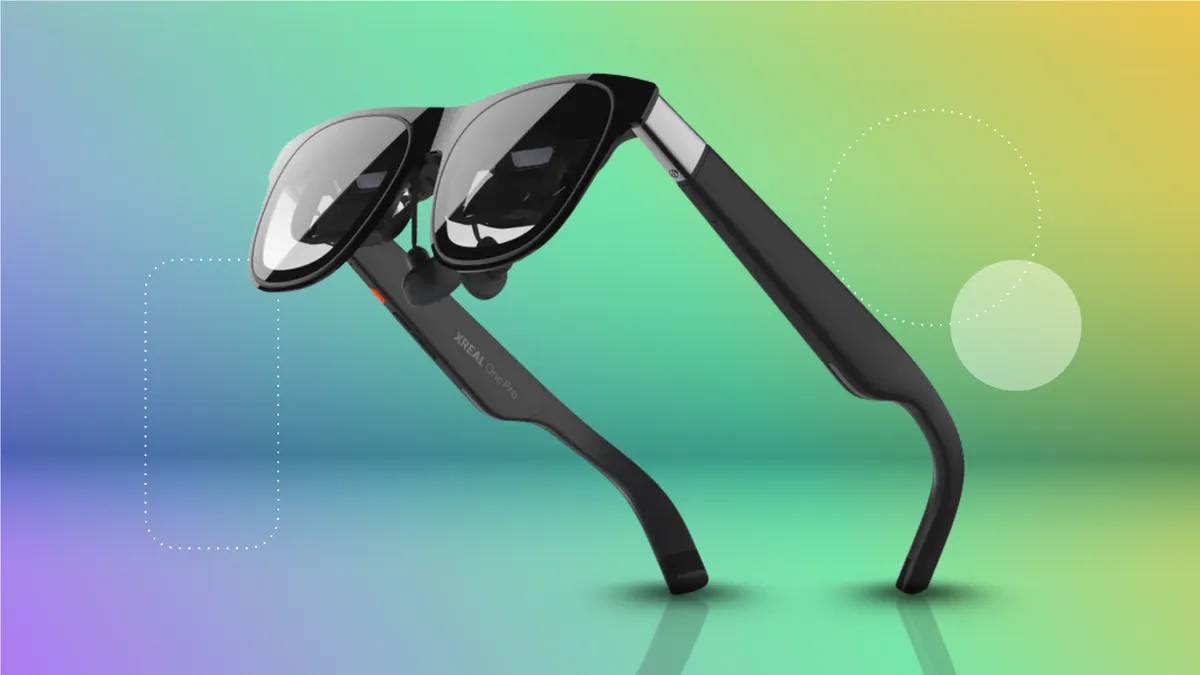
Xreal has implemented a permanent price reduction for its One Pro AR glasses, signaling a strategic push to expand adoption in the augmented reality market. The move highlights growing competition in immersive computing hardware, with implications for consumer technology pricing, spatial computing adoption, and device ecosystem growth.
Xreal has permanently reduced the price of its One Pro AR glasses, aiming to improve accessibility and broaden consumer adoption of its augmented reality ecosystem. The device is positioned as a lightweight alternative in the emerging spatial computing segment.
The price cut comes as AR and mixed reality hardware companies compete to scale user bases ahead of broader industry adoption. Xreal is targeting both consumer and developer segments, positioning its hardware as a gateway device for immersive applications.
The adjustment reflects increasing pricing pressure in the AR hardware market, where companies are balancing advanced capabilities with affordability to drive mainstream uptake. The development aligns with a broader trend across global markets where augmented reality and spatial computing are moving from niche innovation to early-stage mainstream adoption. Companies are increasingly focused on reducing hardware costs to accelerate user penetration.
Major players such as Meta, Apple, and Microsoft are investing heavily in mixed reality ecosystems, ranging from enterprise headsets to consumer-oriented AR devices. Historically, adoption of new computing paradigms has depended heavily on hardware affordability and ecosystem maturity. Early personal computers and smartphones followed similar trajectories, where price reductions played a critical role in scaling adoption.
AR glasses remain in an early adoption phase, with challenges including battery life, field of view limitations, and application ecosystems. Price adjustments are therefore a key lever for accelerating market expansion.
Industry analysts suggest that permanent price reductions signal a shift from premium positioning to mass-market strategy in the AR hardware sector. Experts note that affordability remains one of the biggest barriers to widespread adoption of AR glasses.
Technology observers highlight that companies like Xreal are attempting to build early ecosystems ahead of anticipated mainstream demand for spatial computing. Lower pricing may help stimulate developer interest and content creation.
However, analysts caution that hardware cost alone will not guarantee adoption. Success will depend on software ecosystems, use-case clarity, and integration with broader AI platforms and AI frameworks that enhance AR functionality.
Market experts also point out that competitive pressure from larger technology firms could further compress margins in the AR hardware segment. For businesses, the price reduction could accelerate experimentation with AR-based applications in training, retail, design, and remote collaboration. Companies may begin evaluating AR as a practical tool rather than an experimental technology.
For investors, the move reflects intensifying competition in spatial computing hardware, where scale and ecosystem development are becoming critical success factors. Policymakers may eventually consider standards for AR safety, data privacy, and user interaction in immersive environments.
For global executives, the shift underscores a transition toward more accessible immersive computing, where AR devices may become integrated into broader AI platforms and AI frameworks. Looking ahead, market response to the price cut will be closely monitored to assess demand elasticity in AR hardware. Adoption rates, developer engagement, and ecosystem expansion will determine long-term success.
Decision-makers should watch how AR devices integrate with AI platforms and AI frameworks, as convergence between immersive computing and artificial intelligence may define the next wave of consumer technology.
Source: CNET
Date: April 2026


