
China Manufacturing Drives Luxury Watch Reinvention

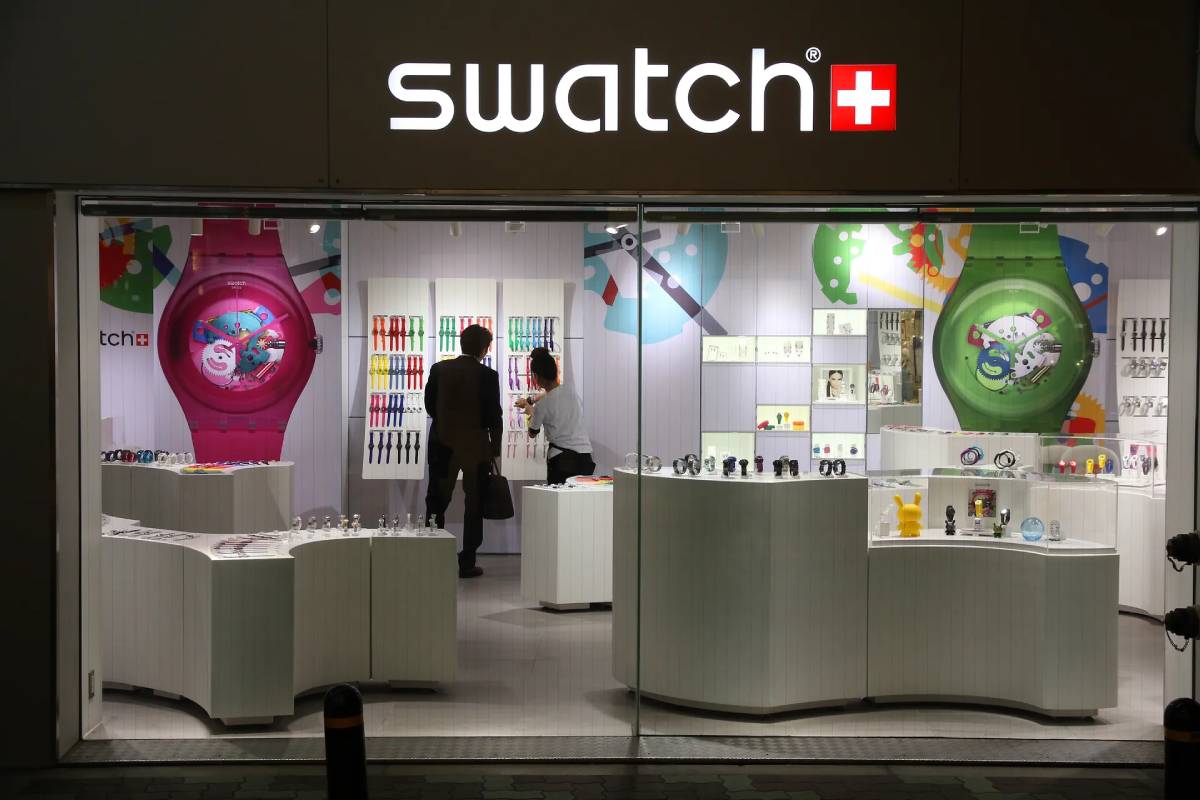
The discussion gained traction after online AI-generated concepts depicting a fictional Audemars Piguet–Swatch collaboration circulated widely across digital platforms.

May 15, 2026
|
Image Source: WIRED

A growing divide is emerging between Silicon Valley’s AI-driven design promises and China’s fast-moving manufacturing ecosystem, as the luxury watch sector confronts shifting consumer expectations and supply-chain realities. The debate intensified following speculation around a potential collaboration between Swiss luxury watchmaker Audemars Piguet and Swatch Group, highlighting how Chinese industrial capacity may increasingly outperform AI-led concept culture in delivering real consumer products. The development signals broader implications for global luxury manufacturing, intellectual property strategy, and high-end consumer markets.

The discussion gained traction after online AI-generated concepts depicting a fictional Audemars Piguet–Swatch collaboration circulated widely across digital platforms. While the viral imagery created significant consumer excitement, no official partnership was announced between the companies.

The episode nonetheless underscored a growing trend in which generative AI tools rapidly amplify speculative product concepts before brands can formally respond. Analysts note that Chinese manufacturers are now increasingly capable of translating viral digital concepts into physical prototypes within weeks, dramatically compressing traditional luxury product-development timelines.

Industry observers argue this shift reflects China’s strengthening role in advanced manufacturing, especially in precision engineering, consumer electronics integration, and rapid prototyping. The trend also raises concerns around trademark protection, counterfeit markets, and brand dilution for premium Western luxury companies operating in Asia and global digital marketplaces.

The development aligns with a broader transformation underway across global luxury and consumer-product industries, where AI-generated creativity is reshaping marketing cycles while manufacturing ecosystems race to commercialize demand faster than traditional brands can react.

In recent years, the Swiss watch industry has faced mounting pressure from changing consumer demographics, digital-native luxury buyers, and competition from smartwatches produced by firms such as Apple and Asian electronics manufacturers. Simultaneously, collaborations between luxury and mass-market brands—such as the widely successful MoonSwatch partnership between Omega and Swatch have demonstrated enormous commercial potential through accessible luxury products.

China’s manufacturing sector has also evolved significantly beyond low-cost production. Companies across Shenzhen and other industrial hubs now specialize in rapid prototyping, precision machining, and flexible small-batch manufacturing capable of responding to viral internet trends at unprecedented speed.

The rise of generative AI adds another layer to this ecosystem. AI can instantly create photorealistic product concepts that generate consumer demand, even when official products do not exist. This convergence between AI-driven imagination and China’s manufacturing agility is increasingly disrupting conventional luxury-brand control over product narratives and exclusivity.

Market analysts suggest the incident demonstrates how AI-generated content is beginning to influence consumer behavior independently of official corporate strategy. According to luxury-sector observers, viral speculative designs can now shape purchasing demand before brands finalize product roadmaps.

Experts in intellectual property law warn that luxury brands may face growing challenges protecting trademarks and visual identity as AI-generated concepts spread globally within hours. The ability of manufacturers to quickly replicate or approximate speculative designs further complicates enforcement efforts across international markets.

Industry strategists also point to a broader geopolitical dimension. China’s industrial ecosystem is increasingly moving up the value chain, combining manufacturing scale with design adaptability and digital commerce efficiency. Some analysts argue that this shift could weaken the historical dominance of European luxury houses over product timing and market exclusivity.

Meanwhile, executives across consumer industries are closely monitoring how AI-generated hype cycles affect inventory planning, product launches, and customer engagement strategies. The incident reinforces concerns that viral digital culture may increasingly dictate market momentum faster than traditional corporate communications teams can manage.

For global executives, the episode highlights the accelerating convergence of AI, digital consumer culture, and advanced manufacturing. Luxury brands may need to rethink intellectual-property frameworks, product-launch timelines, and digital engagement strategies as AI-generated concepts influence public expectations.

Investors are also likely to monitor how Chinese manufacturers continue expanding into premium and luxury-adjacent categories. Faster production cycles and agile prototyping could pressure established Western brands that rely heavily on scarcity and long development windows.

Policymakers and regulators may face increasing demands for updated rules governing AI-generated brand imagery, digital counterfeiting, and cross-border intellectual-property enforcement. Analysts warn that without stronger international coordination, generative AI could significantly complicate trademark protection and consumer authenticity standards across luxury industries.

The intersection of AI-generated design culture and China’s manufacturing acceleration is expected to intensify across fashion, luxury goods, electronics, and consumer products. Executives will likely watch whether major brands begin embracing AI-assisted co-creation models or move aggressively to strengthen legal protections around digital brand identity.

The broader question remains whether traditional luxury exclusivity can survive in an era where viral AI concepts and rapid manufacturing increasingly redefine consumer demand in real time.

Source: WIRED
Date: May 15, 2026

  • Featured tools
Upscayl AI
Free

Upscayl AI is a free, open-source AI-powered tool that enhances and upscales images to higher resolutions. It transforms blurry or low-quality visuals into sharp, detailed versions with ease.

#
Productivity
Learn more
Surfer AI
Free

Surfer AI is an AI-powered content creation assistant built into the Surfer SEO platform, designed to generate SEO-optimized articles from prompts, leveraging data from search results to inform tone, structure, and relevance.

#
SEO
Learn more

Learn more about future of AI

Join 80,000+ Ai enthusiast getting weekly updates on exciting AI tools.
Thank you! Your submission has been received!
Oops! Something went wrong while submitting the form.

China Manufacturing Drives Luxury Watch Reinvention

May 15, 2026

The discussion gained traction after online AI-generated concepts depicting a fictional Audemars Piguet–Swatch collaboration circulated widely across digital platforms.

Image Source: WIRED

A growing divide is emerging between Silicon Valley’s AI-driven design promises and China’s fast-moving manufacturing ecosystem, as the luxury watch sector confronts shifting consumer expectations and supply-chain realities. The debate intensified following speculation around a potential collaboration between Swiss luxury watchmaker Audemars Piguet and Swatch Group, highlighting how Chinese industrial capacity may increasingly outperform AI-led concept culture in delivering real consumer products. The development signals broader implications for global luxury manufacturing, intellectual property strategy, and high-end consumer markets.

The discussion gained traction after online AI-generated concepts depicting a fictional Audemars Piguet–Swatch collaboration circulated widely across digital platforms. While the viral imagery created significant consumer excitement, no official partnership was announced between the companies.

The episode nonetheless underscored a growing trend in which generative AI tools rapidly amplify speculative product concepts before brands can formally respond. Analysts note that Chinese manufacturers are now increasingly capable of translating viral digital concepts into physical prototypes within weeks, dramatically compressing traditional luxury product-development timelines.

Industry observers argue this shift reflects China’s strengthening role in advanced manufacturing, especially in precision engineering, consumer electronics integration, and rapid prototyping. The trend also raises concerns around trademark protection, counterfeit markets, and brand dilution for premium Western luxury companies operating in Asia and global digital marketplaces.

The development aligns with a broader transformation underway across global luxury and consumer-product industries, where AI-generated creativity is reshaping marketing cycles while manufacturing ecosystems race to commercialize demand faster than traditional brands can react.

In recent years, the Swiss watch industry has faced mounting pressure from changing consumer demographics, digital-native luxury buyers, and competition from smartwatches produced by firms such as Apple and Asian electronics manufacturers. Simultaneously, collaborations between luxury and mass-market brands—such as the widely successful MoonSwatch partnership between Omega and Swatch have demonstrated enormous commercial potential through accessible luxury products.

China’s manufacturing sector has also evolved significantly beyond low-cost production. Companies across Shenzhen and other industrial hubs now specialize in rapid prototyping, precision machining, and flexible small-batch manufacturing capable of responding to viral internet trends at unprecedented speed.

The rise of generative AI adds another layer to this ecosystem. AI can instantly create photorealistic product concepts that generate consumer demand, even when official products do not exist. This convergence between AI-driven imagination and China’s manufacturing agility is increasingly disrupting conventional luxury-brand control over product narratives and exclusivity.

Market analysts suggest the incident demonstrates how AI-generated content is beginning to influence consumer behavior independently of official corporate strategy. According to luxury-sector observers, viral speculative designs can now shape purchasing demand before brands finalize product roadmaps.

Experts in intellectual property law warn that luxury brands may face growing challenges protecting trademarks and visual identity as AI-generated concepts spread globally within hours. The ability of manufacturers to quickly replicate or approximate speculative designs further complicates enforcement efforts across international markets.

Industry strategists also point to a broader geopolitical dimension. China’s industrial ecosystem is increasingly moving up the value chain, combining manufacturing scale with design adaptability and digital commerce efficiency. Some analysts argue that this shift could weaken the historical dominance of European luxury houses over product timing and market exclusivity.

Meanwhile, executives across consumer industries are closely monitoring how AI-generated hype cycles affect inventory planning, product launches, and customer engagement strategies. The incident reinforces concerns that viral digital culture may increasingly dictate market momentum faster than traditional corporate communications teams can manage.

For global executives, the episode highlights the accelerating convergence of AI, digital consumer culture, and advanced manufacturing. Luxury brands may need to rethink intellectual-property frameworks, product-launch timelines, and digital engagement strategies as AI-generated concepts influence public expectations.

Investors are also likely to monitor how Chinese manufacturers continue expanding into premium and luxury-adjacent categories. Faster production cycles and agile prototyping could pressure established Western brands that rely heavily on scarcity and long development windows.

Policymakers and regulators may face increasing demands for updated rules governing AI-generated brand imagery, digital counterfeiting, and cross-border intellectual-property enforcement. Analysts warn that without stronger international coordination, generative AI could significantly complicate trademark protection and consumer authenticity standards across luxury industries.

The intersection of AI-generated design culture and China’s manufacturing acceleration is expected to intensify across fashion, luxury goods, electronics, and consumer products. Executives will likely watch whether major brands begin embracing AI-assisted co-creation models or move aggressively to strengthen legal protections around digital brand identity.

The broader question remains whether traditional luxury exclusivity can survive in an era where viral AI concepts and rapid manufacturing increasingly redefine consumer demand in real time.

Source: WIRED
Date: May 15, 2026

Promote Your Tool

Copy Embed Code

Similar Blogs

May 15, 2026
|

OpenAI Codex Expands Mobile AI Platform

OpenAI has introduced Codex functionality within the ChatGPT mobile app, enabling users to generate, modify, and assist with coding tasks directly from smartphones.
Read more
May 15, 2026
|

Musk Altman Legal Battle Escalates AI Governance

The legal dispute between Elon Musk and Sam Altman has reached closing arguments, marking a critical phase in a conflict centered on the mission and control of artificial intelligence development.
Read more
May 15, 2026
|

Motorola Fold Strategy Faces Mid-Market Pressure

Motorola’s Razr Fold has drawn attention for its positioning challenges, with reviewers noting that the device struggles to clearly define whether it is a flagship foldable or a mid-range alternative.
Read more
May 15, 2026
|

Insta360 Blends Nostalgia With Innovation

Insta360 has unveiled a new viewfinder accessory designed to give its action cameras a retro shooting experience, mimicking the look and feel of classic handheld photography devices while retaining modern digital capabilities.
Read more
May 15, 2026
|

Google I/O 2026 Showcases Next-Gen AI Ecosystem

Google has confirmed details for its Google I/O 2026 event, including how audiences can stream the keynote and what to expect from the presentation.
Read more
May 15, 2026
|

Chrome On-Device AI Sparks Transparency Questions

Reports indicate that Google Chrome may have quietly installed or enabled a large AI model on user devices as part of its broader push toward embedding artificial intelligence directly into the browser environment.
Read more