
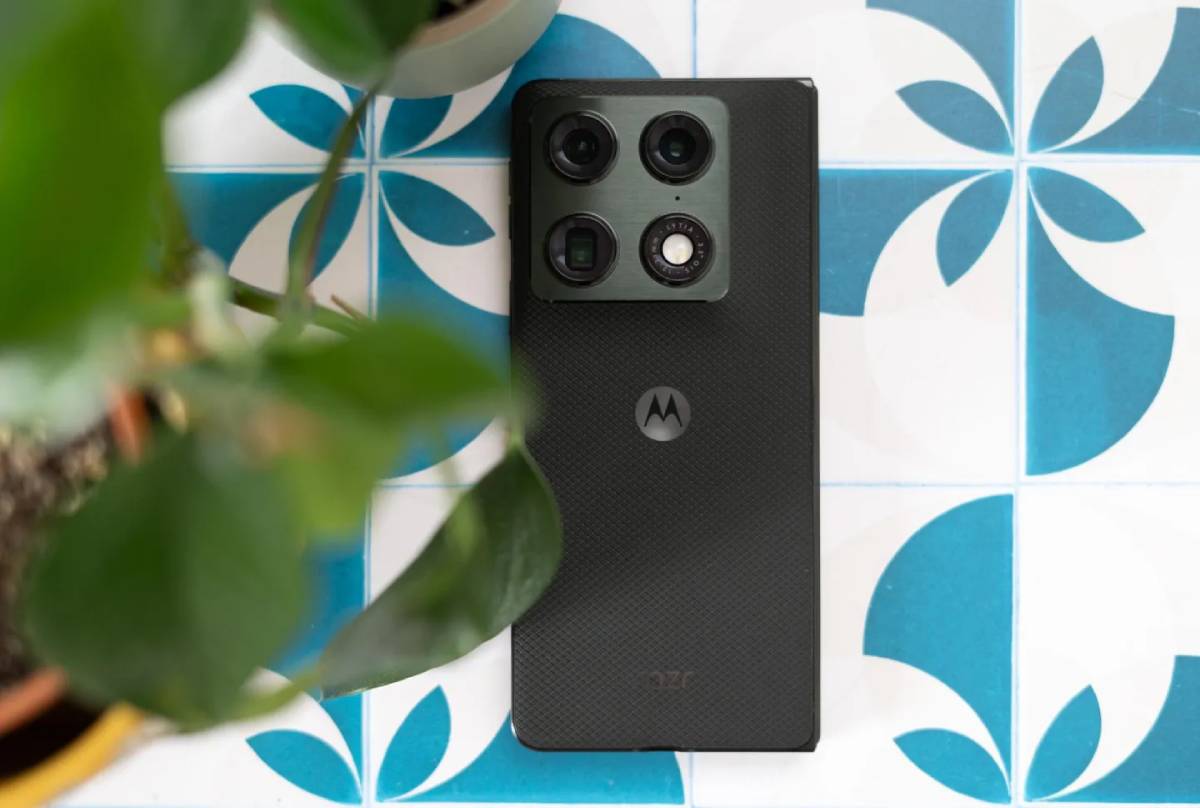
Motorola Fold Strategy Faces Mid-Market Pressure

Motorola’s Razr Fold has drawn attention for its positioning challenges, with reviewers noting that the device struggles to clearly define whether it is a flagship foldable or a mid-range alternative.

May 15, 2026
|
Image Source: The Verge

A notable development in the foldable smartphone segment has emerged as Motorola faces scrutiny over its Razr Fold device, which appears to be caught between premium aspirations and mid-tier performance expectations. The situation highlights intensifying competition in the foldable smartphone market, where manufacturers are still struggling to balance innovation, usability, battery efficiency, and pricing at scale.

Motorola’s Razr Fold has drawn attention for its positioning challenges, with reviewers noting that the device struggles to clearly define whether it is a flagship foldable or a mid-range alternative.

Key concerns include battery performance limitations, trade-offs in hardware optimization, and inconsistencies in delivering a fully premium foldable experience. While the device continues Motorola’s legacy in the clamshell foldable segment, it faces increasing pressure from competitors that have refined foldable designs across multiple generations.

The foldable smartphone market is currently dominated by companies such as Samsung Electronics, which has established a strong ecosystem with its Galaxy Z series, alongside emerging competition from Chinese manufacturers rapidly iterating on hinge technology, display durability, and pricing strategies.

The development aligns with a broader evolution in the global smartphone industry, where foldable devices are being positioned as the next major form factor innovation following the saturation of traditional slab smartphones.

Over the past five years, manufacturers have invested heavily in foldable display technology, flexible OLED panels, and advanced hinge mechanisms. However, widespread consumer adoption has remained limited due to concerns around durability, high pricing, and inconsistent battery performance compared to conventional smartphones.

Samsung Electronics has played a leading role in defining the foldable category, but competition is intensifying as brands attempt to refine form factors and expand price accessibility. Motorola, historically known for its iconic Razr brand, has attempted to leverage nostalgia while adapting to modern foldable expectations.

The broader industry context is shaped by slowing smartphone replacement cycles and a shift toward incremental innovation. As a result, foldables are increasingly viewed as a strategic growth category, particularly in premium segments where manufacturers seek higher margins and differentiation.

Industry analysts suggest that Motorola’s challenge reflects a broader identity crisis in the foldable segment, where manufacturers are still determining whether foldables should prioritize ultra-premium performance or mainstream affordability.

Experts note that battery performance remains one of the most critical constraints in foldable devices, as dual-screen architectures and flexible displays demand greater energy efficiency than traditional smartphones. This creates trade-offs that directly affect user experience and product positioning.

Technology observers also argue that while foldables generate strong consumer interest, they have yet to achieve the reliability and cost efficiency needed for mass-market adoption. Analysts believe that sustained improvements in hinge durability, software optimization, and power management will be essential for long-term success.

Market strategists highlight that Samsung’s continued dominance places additional pressure on competitors like Motorola to differentiate through design or pricing rather than raw technical superiority. However, without clear category leadership, mid-positioned devices risk losing visibility in an increasingly competitive ecosystem.

For businesses, Motorola’s positioning challenges underscore the difficulty of competing in a maturing foldable smartphone market where innovation cycles are expensive and consumer expectations remain high. Companies may need to reassess whether foldables should serve as flagship halo products or mass-market expansion devices.

Investors are likely to evaluate foldable strategies based on long-term scalability, production efficiency, and consumer adoption rates. Firms with stronger supply-chain integration and display technology partnerships may be better positioned to capture future growth.

For policymakers, the foldable segment does not present direct regulatory concerns but highlights broader issues in global electronics manufacturing competitiveness, supply chain resilience, and intellectual property protection in advanced display technologies.

The foldable smartphone market is expected to continue evolving as manufacturers refine designs and attempt to balance performance with affordability. Decision-makers will closely watch whether Motorola can clarify its product positioning or whether Samsung and Chinese competitors continue to define the category’s direction. The long-term trajectory of foldables will depend on whether the form factor can transition from novelty innovation to mainstream consumer necessity.

Source: The Verge
Date: May 15, 2026

  • Featured tools
Symphony Ayasdi AI
Free

SymphonyAI Sensa is an AI-powered surveillance and financial crime detection platform that surfaces hidden risk behavior through explainable, AI-driven analytics.

#
Finance
Learn more
Alli AI
Free

Alli AI is an all-in-one, AI-powered SEO automation platform that streamlines on-page optimization, site auditing, speed improvements, schema generation, internal linking, and ranking insights.

#
SEO
Learn more

Learn more about future of AI

Join 80,000+ Ai enthusiast getting weekly updates on exciting AI tools.
Thank you! Your submission has been received!
Oops! Something went wrong while submitting the form.

Motorola Fold Strategy Faces Mid-Market Pressure

May 15, 2026

Motorola’s Razr Fold has drawn attention for its positioning challenges, with reviewers noting that the device struggles to clearly define whether it is a flagship foldable or a mid-range alternative.

Image Source: The Verge

A notable development in the foldable smartphone segment has emerged as Motorola faces scrutiny over its Razr Fold device, which appears to be caught between premium aspirations and mid-tier performance expectations. The situation highlights intensifying competition in the foldable smartphone market, where manufacturers are still struggling to balance innovation, usability, battery efficiency, and pricing at scale.

Motorola’s Razr Fold has drawn attention for its positioning challenges, with reviewers noting that the device struggles to clearly define whether it is a flagship foldable or a mid-range alternative.

Key concerns include battery performance limitations, trade-offs in hardware optimization, and inconsistencies in delivering a fully premium foldable experience. While the device continues Motorola’s legacy in the clamshell foldable segment, it faces increasing pressure from competitors that have refined foldable designs across multiple generations.

The foldable smartphone market is currently dominated by companies such as Samsung Electronics, which has established a strong ecosystem with its Galaxy Z series, alongside emerging competition from Chinese manufacturers rapidly iterating on hinge technology, display durability, and pricing strategies.

The development aligns with a broader evolution in the global smartphone industry, where foldable devices are being positioned as the next major form factor innovation following the saturation of traditional slab smartphones.

Over the past five years, manufacturers have invested heavily in foldable display technology, flexible OLED panels, and advanced hinge mechanisms. However, widespread consumer adoption has remained limited due to concerns around durability, high pricing, and inconsistent battery performance compared to conventional smartphones.

Samsung Electronics has played a leading role in defining the foldable category, but competition is intensifying as brands attempt to refine form factors and expand price accessibility. Motorola, historically known for its iconic Razr brand, has attempted to leverage nostalgia while adapting to modern foldable expectations.

The broader industry context is shaped by slowing smartphone replacement cycles and a shift toward incremental innovation. As a result, foldables are increasingly viewed as a strategic growth category, particularly in premium segments where manufacturers seek higher margins and differentiation.

Industry analysts suggest that Motorola’s challenge reflects a broader identity crisis in the foldable segment, where manufacturers are still determining whether foldables should prioritize ultra-premium performance or mainstream affordability.

Experts note that battery performance remains one of the most critical constraints in foldable devices, as dual-screen architectures and flexible displays demand greater energy efficiency than traditional smartphones. This creates trade-offs that directly affect user experience and product positioning.

Technology observers also argue that while foldables generate strong consumer interest, they have yet to achieve the reliability and cost efficiency needed for mass-market adoption. Analysts believe that sustained improvements in hinge durability, software optimization, and power management will be essential for long-term success.

Market strategists highlight that Samsung’s continued dominance places additional pressure on competitors like Motorola to differentiate through design or pricing rather than raw technical superiority. However, without clear category leadership, mid-positioned devices risk losing visibility in an increasingly competitive ecosystem.

For businesses, Motorola’s positioning challenges underscore the difficulty of competing in a maturing foldable smartphone market where innovation cycles are expensive and consumer expectations remain high. Companies may need to reassess whether foldables should serve as flagship halo products or mass-market expansion devices.

Investors are likely to evaluate foldable strategies based on long-term scalability, production efficiency, and consumer adoption rates. Firms with stronger supply-chain integration and display technology partnerships may be better positioned to capture future growth.

For policymakers, the foldable segment does not present direct regulatory concerns but highlights broader issues in global electronics manufacturing competitiveness, supply chain resilience, and intellectual property protection in advanced display technologies.

The foldable smartphone market is expected to continue evolving as manufacturers refine designs and attempt to balance performance with affordability. Decision-makers will closely watch whether Motorola can clarify its product positioning or whether Samsung and Chinese competitors continue to define the category’s direction. The long-term trajectory of foldables will depend on whether the form factor can transition from novelty innovation to mainstream consumer necessity.

Source: The Verge
Date: May 15, 2026

Promote Your Tool

Copy Embed Code

Similar Blogs

May 15, 2026
|

OpenAI Codex Expands Mobile AI Platform

OpenAI has introduced Codex functionality within the ChatGPT mobile app, enabling users to generate, modify, and assist with coding tasks directly from smartphones.
Read more
May 15, 2026
|

Musk Altman Legal Battle Escalates AI Governance

The legal dispute between Elon Musk and Sam Altman has reached closing arguments, marking a critical phase in a conflict centered on the mission and control of artificial intelligence development.
Read more
May 15, 2026
|

Motorola Fold Strategy Faces Mid-Market Pressure

Motorola’s Razr Fold has drawn attention for its positioning challenges, with reviewers noting that the device struggles to clearly define whether it is a flagship foldable or a mid-range alternative.
Read more
May 15, 2026
|

Insta360 Blends Nostalgia With Innovation

Insta360 has unveiled a new viewfinder accessory designed to give its action cameras a retro shooting experience, mimicking the look and feel of classic handheld photography devices while retaining modern digital capabilities.
Read more
May 15, 2026
|

Google I/O 2026 Showcases Next-Gen AI Ecosystem

Google has confirmed details for its Google I/O 2026 event, including how audiences can stream the keynote and what to expect from the presentation.
Read more
May 15, 2026
|

Chrome On-Device AI Sparks Transparency Questions

Reports indicate that Google Chrome may have quietly installed or enabled a large AI model on user devices as part of its broader push toward embedding artificial intelligence directly into the browser environment.
Read more