



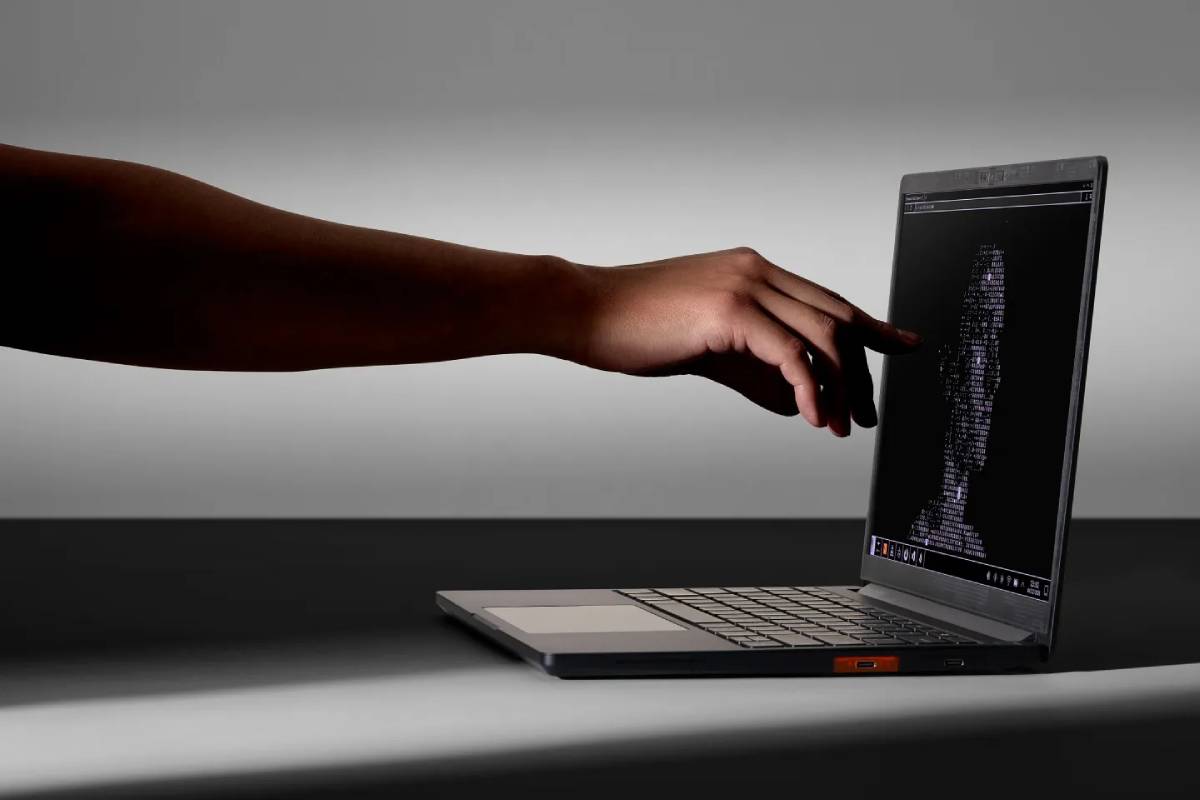
Framework has unveiled the Laptop 13 Pro, positioning it as a high-performance, modular alternative for Linux users seeking workstation-grade portability. The launch signals a strategic push into the premium developer and enterprise computing segment, challenging traditional laptop ecosystems with repairable and upgradeable design principles.
The Laptop 13 Pro introduces a refined hardware configuration optimized for Linux-based workflows, targeting developers, engineers, and enterprise users. It builds on Framework’s modular architecture, enabling users to upgrade components such as memory, storage, and ports without replacing the entire device.
Key stakeholders include Linux distribution communities, enterprise IT departments, and high-performance laptop users. The timing reflects growing demand for open-source-friendly hardware in professional environments.
Economically, the device positions Framework in competition with premium workstation laptops, aiming to capture users seeking flexibility, sustainability, and long-term hardware value in enterprise and developer ecosystems.
The launch reflects a broader shift in the computing industry toward open, modular, and repairable hardware systems. Traditionally, premium laptops have been dominated by vertically integrated ecosystems that limit customization and upgradeability.
Framework has differentiated itself by prioritizing modularity and sustainability, aligning with growing global concerns around electronic waste and device lifecycle management. The introduction of a Linux-focused premium device further expands its appeal to developer communities and enterprise IT environments that rely heavily on open-source systems.
Historically, Linux adoption has been strongest in server infrastructure and developer environments, but limited hardware optimization in consumer laptops has constrained broader usage. This product aims to bridge that gap by offering a high-performance, user-upgradable machine tailored specifically for professional Linux workflows.
Industry analysts view the Laptop 13 Pro as a strategic attempt to capture the underserved segment of Linux-first professionals seeking premium hardware. Experts suggest that combining modular design with enterprise-grade performance could strengthen Framework’s positioning in niche but high-value computing markets.
Technology observers note that demand for Linux-compatible laptops has grown among developers, data scientists, and cybersecurity professionals due to flexibility and control over system environments.
However, analysts caution that success will depend on ecosystem support, driver optimization, and enterprise adoption. While modularity is a key differentiator, performance parity with established workstation vendors will be critical. Industry voices also emphasize that enterprise procurement cycles may determine long-term viability in corporate environments.
For global executives, the Laptop 13 Pro signals increasing demand for customizable and sustainable enterprise hardware. Organizations may consider modular laptops to reduce total cost of ownership and extend device lifecycles.
Investors are likely to monitor Framework’s expansion into the premium workstation segment as competition intensifies in the developer hardware market.
From a policy perspective, modular computing supports broader sustainability objectives by reducing e-waste and encouraging repairability standards. Regulatory attention may grow around right-to-repair frameworks, particularly as companies like Framework demonstrate commercially viable alternatives to traditional sealed-device ecosystems.
Looking ahead, Framework’s success will depend on enterprise adoption, performance benchmarks, and Linux ecosystem optimization. Decision-makers should watch for partnerships with enterprise IT providers and software distribution platforms.
As demand for open, flexible computing environments grows, modular workstation laptops could gain traction in developer-heavy industries and sustainability-focused organizations.
Source: The Verge
Date: April 2026


