



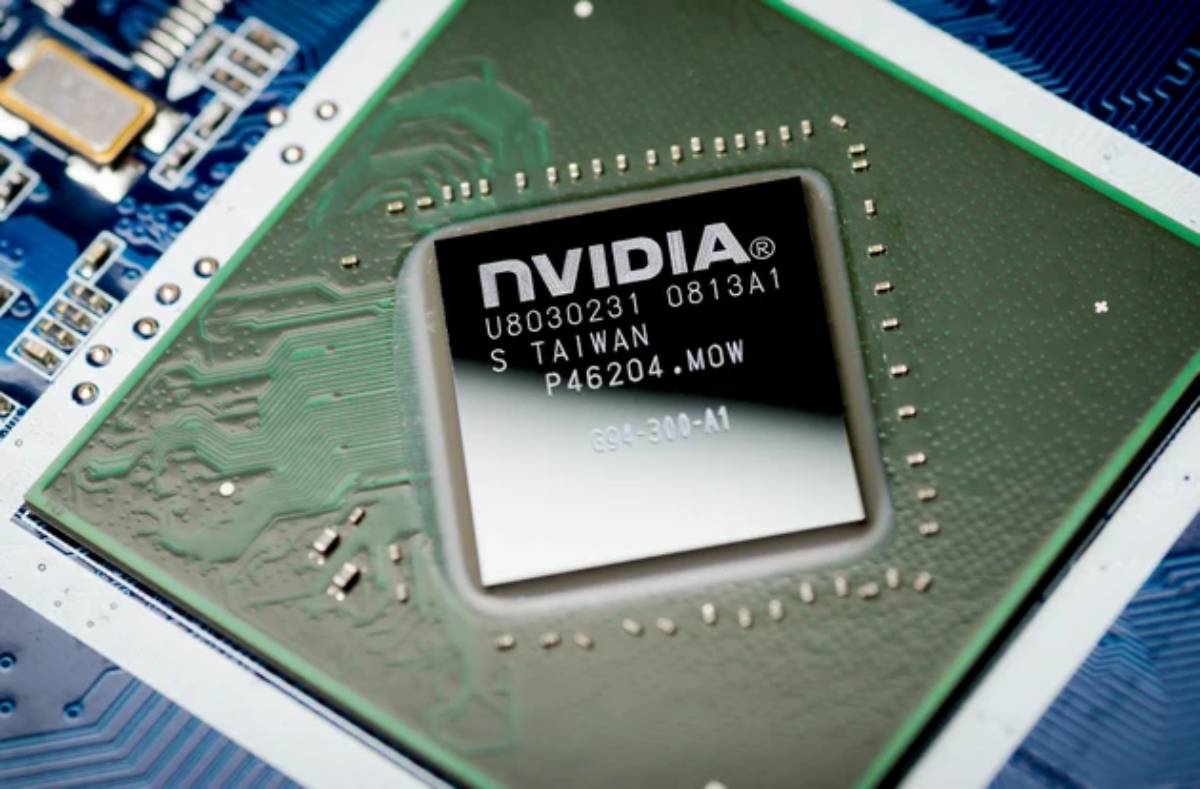
A major shift in the semiconductor landscape unfolded as Nvidia re-entered the PC processor market with AI-powered laptop chips. The move signals an expansion beyond data center dominance, positioning the company to compete directly in next-generation AI PCs and reshaping competitive dynamics for global chipmakers.
Nvidia unveiled new AI-centric processors designed specifically for laptops, marking its formal return to the broader PC CPU ecosystem. The chips are engineered to accelerate on-device AI workloads, including generative AI applications, content creation tools, and real-time inference tasks.
The initiative places Nvidia in more direct competition with established PC processor leaders such as Intel and Advanced Micro Devices, as well as AI-integrated offerings from Qualcomm.
The launch aligns with growing industry emphasis on AI PC devices optimized with dedicated neural processing capabilities. Nvidia’s entry reflects a strategic push to extend its AI computing leadership from cloud data centers to edge and consumer devices.
The development aligns with a broader global transition toward AI-native computing. Over the past two years, AI acceleration has become a defining feature of hardware innovation, with semiconductor firms racing to embed neural processing units (NPUs) and optimized architectures into personal computers.
Nvidia historically dominated graphics processing units (GPUs) and, more recently, AI data center infrastructure. However, its footprint in mainstream PC CPUs had diminished over the past decade. Re-entering the laptop processor market signals a vertical integration strategy bridging cloud AI dominance with endpoint computing.
The AI PC category is rapidly emerging as a new upgrade cycle driver, particularly as enterprises seek secure, on-device AI capabilities to reduce latency and mitigate data privacy concerns. For the broader semiconductor sector, this intensifies an already competitive environment shaped by supply chain geopolitics and capital-intensive R&D.
Market analysts interpret Nvidia’s move as both defensive and expansionary. By pushing into AI laptops, the company reduces reliance on hyperscale cloud demand cycles and taps into consumer and enterprise refresh markets.
Industry experts note that Nvidia’s strength in AI software ecosystems and CUDA-based development tools could provide differentiation if seamlessly integrated into PC platforms. However, penetrating the PC CPU market requires strong OEM partnerships and sustained manufacturing execution.
Strategists suggest this step may also be a response to rivals embedding AI acceleration directly into their processors. If AI workloads increasingly shift to local devices, companies that control both hardware architecture and AI frameworks could command premium margins.
The broader semiconductor market is expected to monitor early design wins and enterprise adoption metrics closely.
For enterprises, AI-optimized laptops could redefine workforce productivity tools, enabling secure, offline AI applications across industries such as finance, healthcare, and design.
Investors may view Nvidia’s expansion as a diversification strategy that strengthens long-term revenue resilience. At the same time, heightened competition in AI silicon could pressure pricing and compress margins across incumbents.
Policymakers may also scrutinize the competitive implications of AI hardware consolidation, particularly as AI infrastructure becomes strategically important to national economic and security priorities.
For global executives, the shift underscores that AI capability is fast becoming the primary determinant of hardware procurement decisions. The success of Nvidia’s PC re-entry will hinge on OEM adoption, performance benchmarks, and enterprise uptake of AI PCs. Market watchers will assess whether AI-driven features meaningfully stimulate a new laptop upgrade cycle.
As AI shifts from cloud-centric to hybrid and edge models, control over endpoint silicon may become as critical as dominance in data centers.
Source: Seeking Alpha
Date: February 2026


