



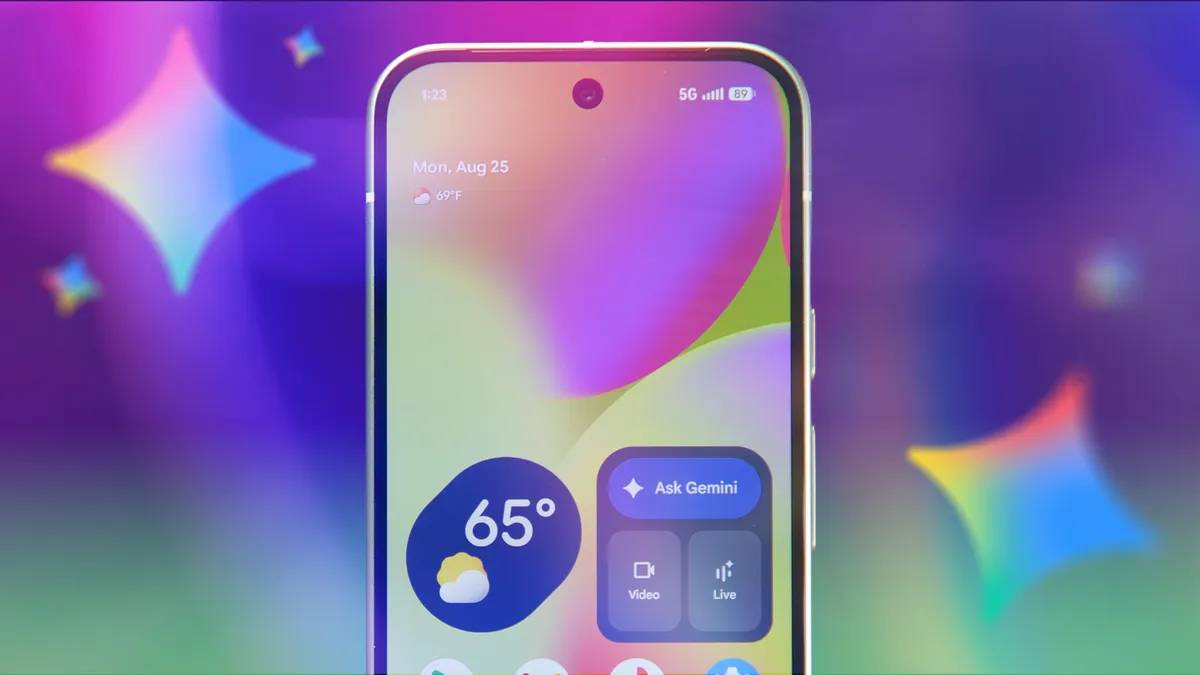
Google’s latest Android update marks a decisive push toward an AI-first smartphone ecosystem, embedding Gemini-powered intelligence more deeply into core mobile functions. The shift signals a structural transformation in how devices operate, moving from app-centric systems to AI-native interfaces, with wide implications for device manufacturers, developers, and enterprise mobility strategies.
The Android update integrates Google’s Gemini AI across system-level functions, enabling contextual assistance, predictive actions, and multimodal interaction within smartphones. This reduces reliance on traditional app-based navigation and enhances real-time automation.
Key stakeholders include Google, Android device manufacturers, app developers, and billions of global Android users. The rollout aligns with Google’s broader strategy to position Gemini as a foundational layer across its ecosystem.
Market timing is critical as smartphone upgrades slow globally, forcing manufacturers to differentiate through software intelligence rather than hardware gains. Analysts note that Android’s AI-first approach intensifies competition with Apple and other ecosystem players transitioning toward similar architectures.
The smartphone industry is undergoing a foundational shift as artificial intelligence becomes the primary interface layer for digital interaction. Instead of opening individual applications, users increasingly rely on AI systems to interpret intent and execute tasks across services.
Google has been at the forefront of embedding generative AI into search, productivity tools, and now Android itself. The integration of Gemini into the operating system reflects a long-term strategy to transform Android into an adaptive intelligence platform rather than a static mobile OS.
Historically, Android’s competitive advantage has been openness and scale. However, the rise of AI-native ecosystems is redefining competition around model intelligence, latency, and contextual reasoning rather than hardware specifications or app ecosystems.
This transition mirrors broader industry trends where operating systems are evolving into AI orchestration layers. Industry analysts suggest that Android’s AI-first evolution could significantly reshape mobile computing economics by reducing friction between user intent and digital execution. This may increase user engagement while altering app discovery and monetization models.
Technology strategists argue that embedding AI at the OS level creates a structural advantage, as it allows deeper access to user behavior signals and system-level optimization. Some experts caution, however, that this shift raises concerns around data governance, algorithmic transparency, and platform concentration, particularly as AI systems mediate more user decisions.
While Google emphasizes improved usability and productivity through Gemini integration, analysts interpret the move as a strategic effort to lock in AI infrastructure dominance at the operating system level before competitors fully mature their own AI-native platforms.
For businesses, the AI-first Android model will likely reshape mobile app strategies, shifting focus from standalone applications to AI-integrated services and conversational interfaces. Developers may need to optimize for AI mediation rather than direct user interaction.
For investors, the shift strengthens Google’s position in the AI infrastructure stack, potentially increasing long-term ecosystem value while pressuring independent app monetization models.
From a policy perspective, regulators may scrutinize the concentration of AI decision-making power within operating systems, especially regarding competition and data usage transparency.
Analysts warn that AI-first mobile ecosystems could fundamentally alter platform economics across the global smartphone industry. The next phase will determine how deeply AI is embedded into Android system functions and whether third-party developers retain meaningful visibility in an AI-mediated environment. Competition with Apple, Microsoft, and emerging AI-native device platforms is expected to intensify. Key uncertainties include user trust, regulatory response, and the long-term balance between open ecosystems and AI-controlled interfaces.
Source: CNET
Date: 19 May 2026


