
Google Embeds Gemini Across Android Devices

Google announced a series of Gemini-powered enhancements designed to make Android devices more context-aware, predictive, and task-oriented.

May 13, 2026
|
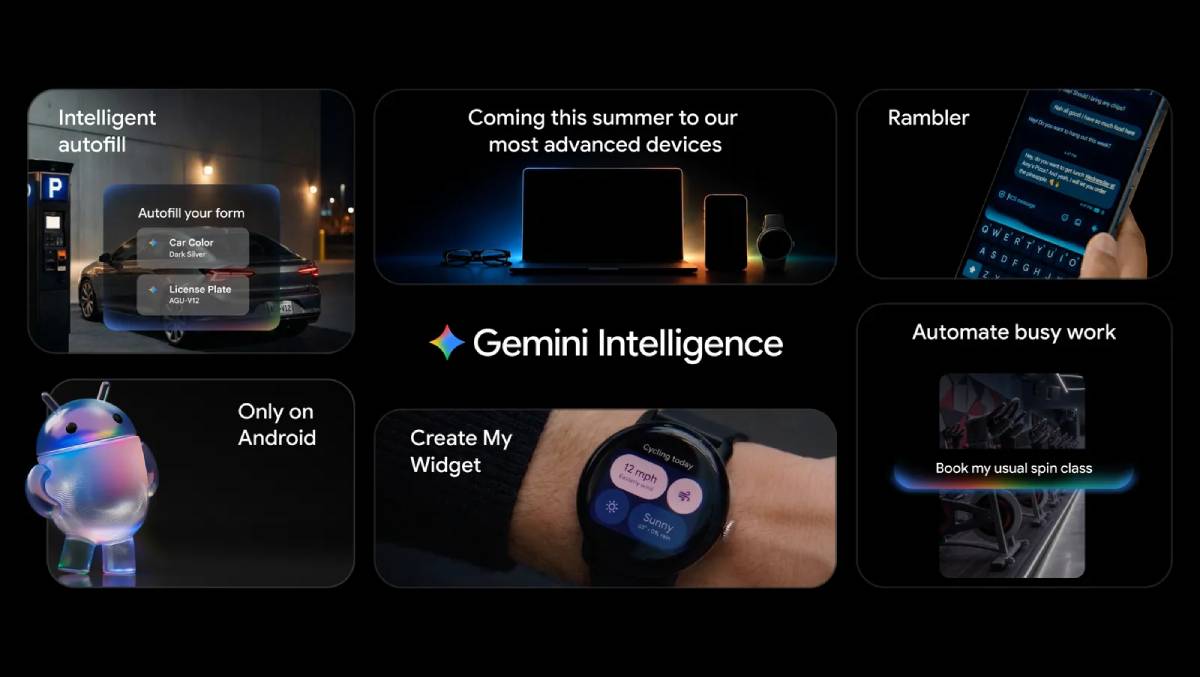
Image Source: Google Blog

A major transformation in mobile computing is underway as Google unveiled deeper integration of Gemini AI capabilities across the Android ecosystem. The move signals a strategic shift from reactive smartphone experiences toward proactive AI-driven assistance, with far-reaching implications for consumer technology, enterprise productivity, digital advertising, and global platform competition.

Google announced a series of Gemini-powered enhancements designed to make Android devices more context-aware, predictive, and task-oriented. The company outlined features enabling AI-assisted communication, workflow automation, multimodal search, and proactive recommendations integrated directly into the operating system experience.

The initiative expands Gemini Intelligence beyond standalone chatbot interactions, embedding AI deeper into core Android services and applications. Google emphasized cross-device functionality, contextual understanding, and improved personalization capabilities intended to streamline everyday user interactions.

The announcement comes amid intensifying competition among major technology firms including Apple, Microsoft, and Samsung Electronics to establish dominance in AI-native computing ecosystems.

The broader strategy reflects growing industry consensus that operating systems themselves are becoming the next critical battleground in the global AI race. The development aligns with a wider industry transition toward “AI-first” computing environments where artificial intelligence is embedded directly into devices, operating systems, and digital workflows. Since the emergence of generative AI platforms, technology companies have rapidly expanded beyond chatbot interfaces into integrated AI ecosystems designed to anticipate user intent and automate increasingly complex tasks.

Historically, smartphone operating systems evolved around app-centric interaction models. However, the rise of multimodal AI is fundamentally reshaping how users engage with devices, enabling systems to interpret voice, text, images, location data, and behavioral patterns simultaneously.

Google’s push also reflects escalating competitive pressure in the mobile ecosystem. Rivals including Apple are advancing on-device AI capabilities, while enterprise-focused firms are integrating AI copilots into productivity suites and cloud platforms.

Geopolitically, AI-enabled operating systems are becoming strategically important due to their influence over data ecosystems, developer economies, advertising infrastructure, and digital sovereignty. Governments worldwide are increasingly evaluating how dominant technology platforms use AI to shape consumer behavior, market access, and information flows.

For executives and policymakers, the Android-Gemini integration represents not merely a product update, but a structural shift in the future of mobile computing and digital platform power.

Technology analysts view Google’s latest Android strategy as part of a broader effort to redefine the smartphone as an intelligent assistant rather than simply a communication device. Experts suggest proactive AI systems may dramatically reduce friction in digital interactions by automating scheduling, search, messaging, navigation, and application management.

Industry observers note that embedding Gemini directly into Android strengthens Google’s competitive position by leveraging its vast ecosystem advantages across search, cloud services, advertising, and mobile distribution. Analysts argue that integrating AI at the operating-system level creates deeper user dependency and strengthens long-term platform retention.

However, privacy and regulatory experts warn that increasingly proactive AI systems may intensify concerns surrounding user-data collection, behavioral profiling, and algorithmic influence. As AI assistants gain greater contextual awareness, governments may seek stricter oversight regarding transparency, consent, and data governance standards.

Corporate leaders are also closely monitoring enterprise implications. AI-native mobile operating systems could reshape workforce productivity, remote collaboration, and customer engagement strategies while creating new cybersecurity and compliance considerations.

Industry strategists further believe that companies capable of controlling AI-enhanced operating environments may gain disproportionate influence over the next phase of the digital economy.

For businesses, Gemini-powered Android systems could unlock new productivity opportunities by streamlining workflows, improving contextual search, and automating repetitive tasks across mobile devices. Enterprises may increasingly adopt AI-native mobile ecosystems to enhance operational efficiency and workforce collaboration.

Developers and software providers may also need to redesign applications for AI-first interaction models, where assistants increasingly mediate how users access services and information. This could reshape app discovery, advertising strategies, and platform economics.

For investors, Google’s move reinforces confidence that AI integration into consumer ecosystems remains a major long-term growth driver, particularly in cloud computing, mobile infrastructure, and digital services.

From a policy standpoint, regulators are likely to intensify scrutiny of AI-driven operating systems concerning data privacy, competition law, algorithmic transparency, and market concentration. Governments may increasingly examine whether AI-enhanced ecosystems strengthen the dominance of major technology platforms at the expense of smaller competitors.

Google’s deeper integration of Gemini into Android marks a significant step toward fully AI-native computing environments where digital assistants operate continuously in the background of everyday life. Decision-makers will closely watch consumer adoption rates, developer response, and regulatory reactions as intelligent operating systems become more autonomous. The broader strategic contest now centers on which companies will control the AI interface layer connecting billions of users to the global digital economy.

Source: Google Blog
Date: May 2026

  • Featured tools
Upscayl AI
Free

Upscayl AI is a free, open-source AI-powered tool that enhances and upscales images to higher resolutions. It transforms blurry or low-quality visuals into sharp, detailed versions with ease.

#
Productivity
Learn more
Outplay AI
Free

Outplay AI is a dynamic sales engagement platform combining AI-powered outreach, multi-channel automation, and performance tracking to help teams optimize conversion and pipeline generation.

#
Sales
Learn more

Learn more about future of AI

Join 80,000+ Ai enthusiast getting weekly updates on exciting AI tools.
Thank you! Your submission has been received!
Oops! Something went wrong while submitting the form.

Google Embeds Gemini Across Android Devices

May 13, 2026

Google announced a series of Gemini-powered enhancements designed to make Android devices more context-aware, predictive, and task-oriented.

Image Source: Google Blog

A major transformation in mobile computing is underway as Google unveiled deeper integration of Gemini AI capabilities across the Android ecosystem. The move signals a strategic shift from reactive smartphone experiences toward proactive AI-driven assistance, with far-reaching implications for consumer technology, enterprise productivity, digital advertising, and global platform competition.

Google announced a series of Gemini-powered enhancements designed to make Android devices more context-aware, predictive, and task-oriented. The company outlined features enabling AI-assisted communication, workflow automation, multimodal search, and proactive recommendations integrated directly into the operating system experience.

The initiative expands Gemini Intelligence beyond standalone chatbot interactions, embedding AI deeper into core Android services and applications. Google emphasized cross-device functionality, contextual understanding, and improved personalization capabilities intended to streamline everyday user interactions.

The announcement comes amid intensifying competition among major technology firms including Apple, Microsoft, and Samsung Electronics to establish dominance in AI-native computing ecosystems.

The broader strategy reflects growing industry consensus that operating systems themselves are becoming the next critical battleground in the global AI race. The development aligns with a wider industry transition toward “AI-first” computing environments where artificial intelligence is embedded directly into devices, operating systems, and digital workflows. Since the emergence of generative AI platforms, technology companies have rapidly expanded beyond chatbot interfaces into integrated AI ecosystems designed to anticipate user intent and automate increasingly complex tasks.

Historically, smartphone operating systems evolved around app-centric interaction models. However, the rise of multimodal AI is fundamentally reshaping how users engage with devices, enabling systems to interpret voice, text, images, location data, and behavioral patterns simultaneously.

Google’s push also reflects escalating competitive pressure in the mobile ecosystem. Rivals including Apple are advancing on-device AI capabilities, while enterprise-focused firms are integrating AI copilots into productivity suites and cloud platforms.

Geopolitically, AI-enabled operating systems are becoming strategically important due to their influence over data ecosystems, developer economies, advertising infrastructure, and digital sovereignty. Governments worldwide are increasingly evaluating how dominant technology platforms use AI to shape consumer behavior, market access, and information flows.

For executives and policymakers, the Android-Gemini integration represents not merely a product update, but a structural shift in the future of mobile computing and digital platform power.

Technology analysts view Google’s latest Android strategy as part of a broader effort to redefine the smartphone as an intelligent assistant rather than simply a communication device. Experts suggest proactive AI systems may dramatically reduce friction in digital interactions by automating scheduling, search, messaging, navigation, and application management.

Industry observers note that embedding Gemini directly into Android strengthens Google’s competitive position by leveraging its vast ecosystem advantages across search, cloud services, advertising, and mobile distribution. Analysts argue that integrating AI at the operating-system level creates deeper user dependency and strengthens long-term platform retention.

However, privacy and regulatory experts warn that increasingly proactive AI systems may intensify concerns surrounding user-data collection, behavioral profiling, and algorithmic influence. As AI assistants gain greater contextual awareness, governments may seek stricter oversight regarding transparency, consent, and data governance standards.

Corporate leaders are also closely monitoring enterprise implications. AI-native mobile operating systems could reshape workforce productivity, remote collaboration, and customer engagement strategies while creating new cybersecurity and compliance considerations.

Industry strategists further believe that companies capable of controlling AI-enhanced operating environments may gain disproportionate influence over the next phase of the digital economy.

For businesses, Gemini-powered Android systems could unlock new productivity opportunities by streamlining workflows, improving contextual search, and automating repetitive tasks across mobile devices. Enterprises may increasingly adopt AI-native mobile ecosystems to enhance operational efficiency and workforce collaboration.

Developers and software providers may also need to redesign applications for AI-first interaction models, where assistants increasingly mediate how users access services and information. This could reshape app discovery, advertising strategies, and platform economics.

For investors, Google’s move reinforces confidence that AI integration into consumer ecosystems remains a major long-term growth driver, particularly in cloud computing, mobile infrastructure, and digital services.

From a policy standpoint, regulators are likely to intensify scrutiny of AI-driven operating systems concerning data privacy, competition law, algorithmic transparency, and market concentration. Governments may increasingly examine whether AI-enhanced ecosystems strengthen the dominance of major technology platforms at the expense of smaller competitors.

Google’s deeper integration of Gemini into Android marks a significant step toward fully AI-native computing environments where digital assistants operate continuously in the background of everyday life. Decision-makers will closely watch consumer adoption rates, developer response, and regulatory reactions as intelligent operating systems become more autonomous. The broader strategic contest now centers on which companies will control the AI interface layer connecting billions of users to the global digital economy.

Source: Google Blog
Date: May 2026

Promote Your Tool

Copy Embed Code

Similar Blogs

June 23, 2026
|

Sokin Secures European Payments License

Sokin has acquired Norwegian fintech firm Settle in a transaction that provides access to a valuable Electronic Money Institution (EMI) license.
Read more
June 23, 2026
|

Twin Prime Bets Defence AI

Twin Prime has secured $10 million in fresh funding to expand its defence-focused AI systems, which prioritize sensor fusion, detection, and real-time environmental interpretation over generative or chatbot-based models.
Read more
June 23, 2026
|

Northzone Backs Physical AI Shift

Northzone has appointed a new partner to lead its physical AI investment strategy, marking a deliberate shift toward embodied intelligence—systems that interact directly with physical environments.
Read more
June 23, 2026
|

Switzerland Hosts Iran US Technical Talks

The upcoming technical-level discussions between Iranian and US representatives will focus on procedural and issue-specific frameworks rather than high-level political agreements.
Read more
June 23, 2026
|

Switzerland Extends Ukrainian Protection Status

Swiss federal authorities are reviewing the possibility of extending S protection status, which grants temporary residence rights and access to essential services for Ukrainian nationals fleeing the war.
Read more
June 23, 2026
|

Swiss FM Engages Iran Diplomacy

Swiss Foreign Minister Ignazio Cassis held formal discussions with Iran’s foreign minister, focusing on bilateral relations and broader regional security dynamics.
Read more