
Google Samsung Push AI Smart Glasses

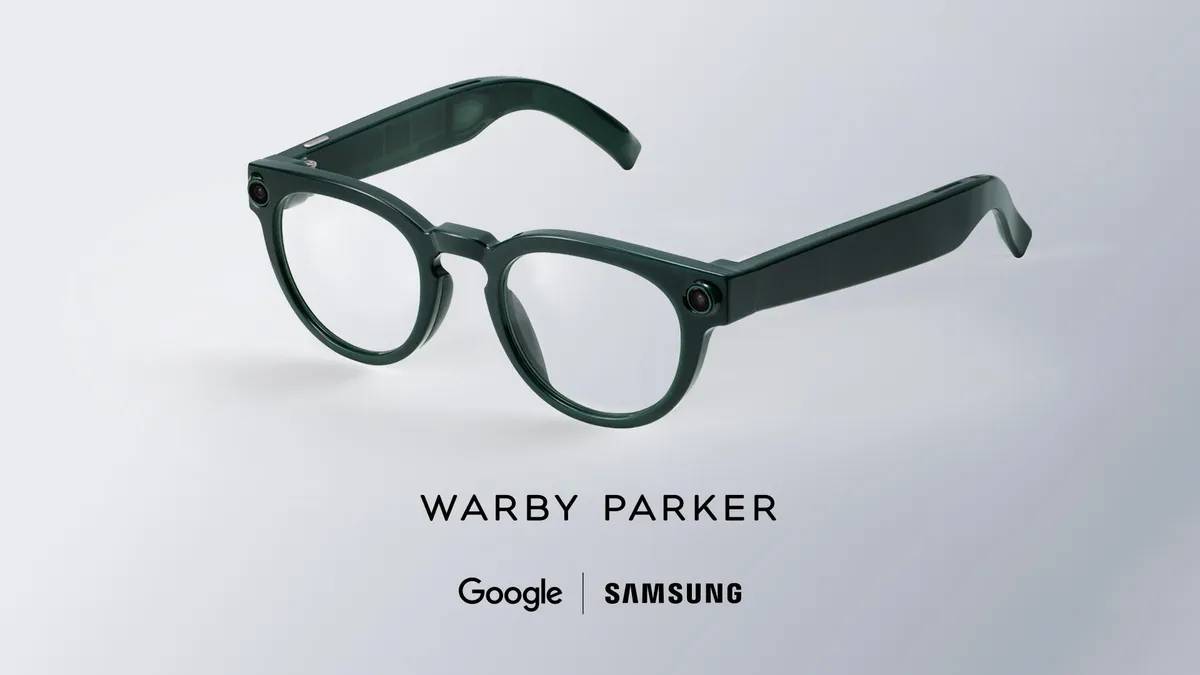
Google and Samsung have confirmed plans to introduce AI-enabled smart glasses this fall, developed in collaboration with Warby Parker and Gentle Monster.

July 29, 2026
|
Image Source: CNET

Google and Samsung are preparing to launch a new generation of AI-powered smart glasses in partnership with eyewear brands Warby Parker and Gentle Monster. The initiative signals an accelerated push into wearable computing, blending fashion, augmented intelligence, and real-time digital assistance in a bid to expand the next frontier of consumer technology.

Google and Samsung have confirmed plans to introduce AI-enabled smart glasses this fall, developed in collaboration with Warby Parker and Gentle Monster. The devices aim to integrate AI assistance, contextual overlays, and hands-free interaction within everyday eyewear.

The product line is expected to combine fashion-oriented design with advanced computing capabilities, positioning smart glasses as a mainstream consumer category rather than a niche tech accessory. The launch timeline aligns with broader efforts by both companies to expand their wearable ecosystems.

The initiative reflects growing investment in ambient computing, where AI-driven interfaces operate continuously in the background of daily life. The smart glasses segment has experienced multiple cycles of experimentation, with early attempts often constrained by design limitations, battery life, and consumer adoption barriers. However, recent advances in AI models, miniaturized sensors, and low-power computing have renewed industry interest in wearable augmented reality systems.

Google and Samsung have been investing heavily in expanding their wearable ecosystems, competing with other major technology firms exploring augmented reality and AI-assisted devices. The partnership with established eyewear brands like Warby Parker and Gentle Monster signals a strategic shift toward lifestyle integration, positioning smart glasses as fashion-forward consumer electronics rather than purely experimental tech. This approach reflects a broader industry trend toward embedding AI into everyday physical objects, creating seamless human–machine interaction layers.

Industry analysts view the collaboration as a critical step in normalizing AI-powered wearable devices. Experts suggest that success in this category will depend not only on technical performance but also on consumer comfort, aesthetics, and social acceptance.

Google and Samsung have emphasized that the upcoming glasses will focus on practical AI assistance, including contextual information delivery, navigation support, and real-time interaction capabilities. The companies frame the product as part of a broader shift toward ambient computing environments.

Market observers note that previous smart glasses efforts struggled due to limited use cases and privacy concerns. However, analysts argue that the integration of advanced AI models could significantly expand functionality, making wearable AI more relevant in daily life. The fashion collaboration is also seen as a deliberate effort to reduce stigma associated with early wearable tech.

For businesses, AI-enabled smart glasses could open new channels for real-time customer engagement, field productivity tools, and immersive retail experiences. Enterprises in logistics, healthcare, and field services may explore early adoption opportunities.

For investors, the launch strengthens the long-term outlook for the wearable AI market, which is increasingly converging with augmented reality and consumer electronics ecosystems. The involvement of major tech players signals sustained capital and R&D momentum.

For policymakers, the expansion of always-on wearable devices raises important questions around privacy, biometric data handling, and public space recording norms, requiring clearer regulatory frameworks as adoption scales.

Attention now turns to pricing, availability, and real-world performance once the smart glasses launch this fall. Industry watchers will assess whether consumer demand can move beyond early adopters and whether AI functionality meaningfully enhances daily usability. The success of this category will likely determine whether smart glasses evolve into a mainstream computing platform or remain a specialized niche within wearable technology.

Source: CNET
Date: 2026-05-20

  • Featured tools
Tome AI
Free

Tome AI is an AI-powered storytelling and presentation tool designed to help users create compelling narratives and presentations quickly and efficiently. It leverages advanced AI technologies to generate content, images, and animations based on user input.

#
Presentation
#
Startup Tools
Learn more
Scalenut AI
Free

Scalenut AI is an all-in-one SEO content platform that combines AI-driven writing, keyword research, competitor insights, and optimization tools to help you plan, create, and rank content.

#
SEO
Learn more

Learn more about future of AI

Join 80,000+ Ai enthusiast getting weekly updates on exciting AI tools.
Thank you! Your submission has been received!
Oops! Something went wrong while submitting the form.

Google Samsung Push AI Smart Glasses

July 29, 2026

Google and Samsung have confirmed plans to introduce AI-enabled smart glasses this fall, developed in collaboration with Warby Parker and Gentle Monster.

Image Source: CNET

Google and Samsung are preparing to launch a new generation of AI-powered smart glasses in partnership with eyewear brands Warby Parker and Gentle Monster. The initiative signals an accelerated push into wearable computing, blending fashion, augmented intelligence, and real-time digital assistance in a bid to expand the next frontier of consumer technology.

Google and Samsung have confirmed plans to introduce AI-enabled smart glasses this fall, developed in collaboration with Warby Parker and Gentle Monster. The devices aim to integrate AI assistance, contextual overlays, and hands-free interaction within everyday eyewear.

The product line is expected to combine fashion-oriented design with advanced computing capabilities, positioning smart glasses as a mainstream consumer category rather than a niche tech accessory. The launch timeline aligns with broader efforts by both companies to expand their wearable ecosystems.

The initiative reflects growing investment in ambient computing, where AI-driven interfaces operate continuously in the background of daily life. The smart glasses segment has experienced multiple cycles of experimentation, with early attempts often constrained by design limitations, battery life, and consumer adoption barriers. However, recent advances in AI models, miniaturized sensors, and low-power computing have renewed industry interest in wearable augmented reality systems.

Google and Samsung have been investing heavily in expanding their wearable ecosystems, competing with other major technology firms exploring augmented reality and AI-assisted devices. The partnership with established eyewear brands like Warby Parker and Gentle Monster signals a strategic shift toward lifestyle integration, positioning smart glasses as fashion-forward consumer electronics rather than purely experimental tech. This approach reflects a broader industry trend toward embedding AI into everyday physical objects, creating seamless human–machine interaction layers.

Industry analysts view the collaboration as a critical step in normalizing AI-powered wearable devices. Experts suggest that success in this category will depend not only on technical performance but also on consumer comfort, aesthetics, and social acceptance.

Google and Samsung have emphasized that the upcoming glasses will focus on practical AI assistance, including contextual information delivery, navigation support, and real-time interaction capabilities. The companies frame the product as part of a broader shift toward ambient computing environments.

Market observers note that previous smart glasses efforts struggled due to limited use cases and privacy concerns. However, analysts argue that the integration of advanced AI models could significantly expand functionality, making wearable AI more relevant in daily life. The fashion collaboration is also seen as a deliberate effort to reduce stigma associated with early wearable tech.

For businesses, AI-enabled smart glasses could open new channels for real-time customer engagement, field productivity tools, and immersive retail experiences. Enterprises in logistics, healthcare, and field services may explore early adoption opportunities.

For investors, the launch strengthens the long-term outlook for the wearable AI market, which is increasingly converging with augmented reality and consumer electronics ecosystems. The involvement of major tech players signals sustained capital and R&D momentum.

For policymakers, the expansion of always-on wearable devices raises important questions around privacy, biometric data handling, and public space recording norms, requiring clearer regulatory frameworks as adoption scales.

Attention now turns to pricing, availability, and real-world performance once the smart glasses launch this fall. Industry watchers will assess whether consumer demand can move beyond early adopters and whether AI functionality meaningfully enhances daily usability. The success of this category will likely determine whether smart glasses evolve into a mainstream computing platform or remain a specialized niche within wearable technology.

Source: CNET
Date: 2026-05-20

Promote Your Tool

Copy Embed Code

Similar Blogs

July 29, 2026
|

EmulationStation Enhances Retro Gaming Experience

EmulationStation is a front-end interface designed to organize and present video game emulation libraries through a streamlined user experience.
Read more
July 29, 2026
|

Tomoson Expands Influencer Marketing Collaboration

Tomoson operates as an influencer marketing platform designed to help brands collaborate with content creators and manage promotional campaigns.
Read more
July 29, 2026
|

ZeroBin.net Advances Secure Data Sharing

ZeroBin.net operates as a privacy-oriented platform that allows users to share encrypted information through temporary digital channels.
Read more
July 29, 2026
|

Gaia Expands Digital Knowledge Access

Gaia operates within the broader category of digital platforms focused on information discovery, organization, and knowledge accessibility.
Read more
July 29, 2026
|

MailDrop Expands Privacy Email Solutions

MailDrop operates as a temporary email service designed to help users create disposable email addresses for online registrations and digital interactions.
Read more
July 29, 2026
|

MacX YouTube Downloader Enhances Video Management

MacX YouTube Downloader is a multimedia software solution designed to support video downloading, conversion, and management from online platforms.
Read more