
Google Turns Wear OS 7 Into Information Hub

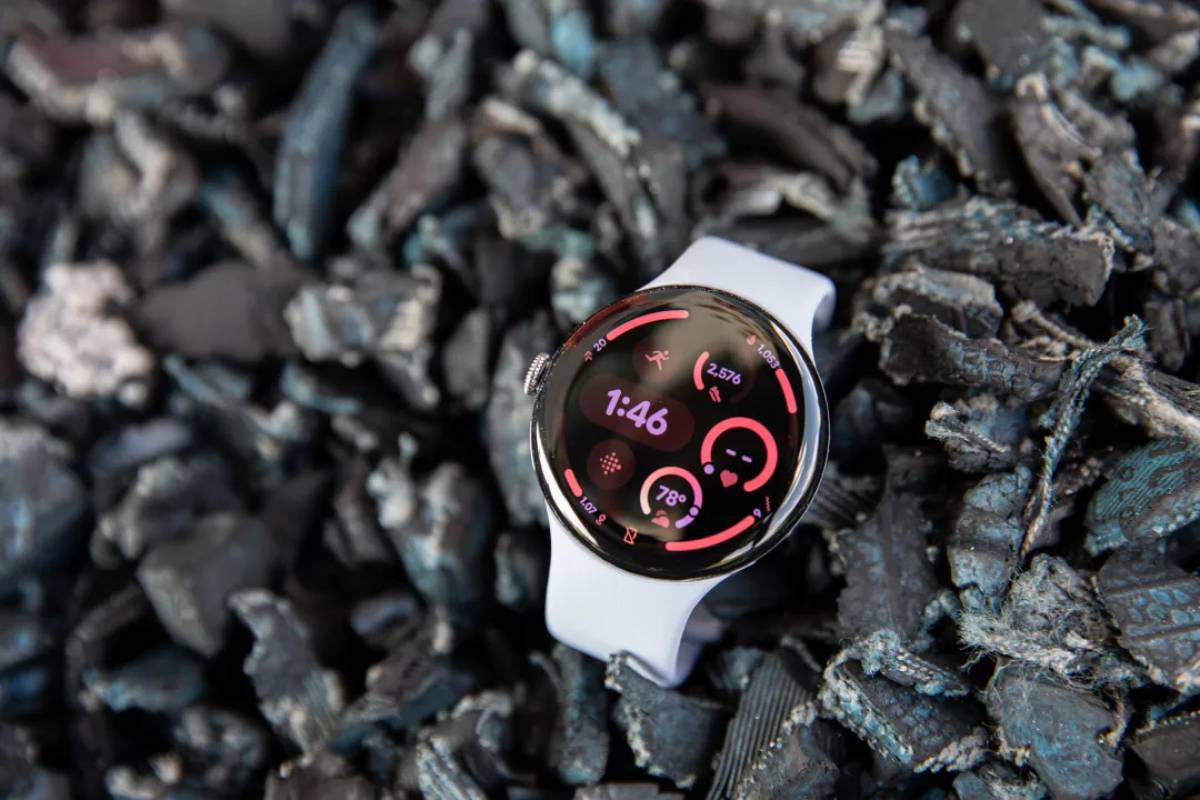
Wear OS 7 introduces enhanced widgets and live data integration, allowing users to track package deliveries, sports scores, and other time-sensitive updates directly from their smartwatches.

May 20, 2026
|
Image Source: The Verge

Wear OS is evolving with Wear OS 7, introducing real-time tracking features that bring deliveries, sports scores, and live updates directly to users’ wrists. The upgrade signals a shift toward more proactive, glanceable computing, reinforcing the growing role of smartwatches as real-time personal information hubs in the broader wearable technology ecosystem.

Wear OS 7 introduces enhanced widgets and live data integration, allowing users to track package deliveries, sports scores, and other time-sensitive updates directly from their smartwatches. The system focuses on improving at-a-glance information delivery while optimizing battery efficiency and background processing.

The update expands the functionality of wearable devices beyond fitness tracking into real-time digital assistants capable of surfacing contextual updates throughout the day. Google is also refining notification systems to prioritize relevance and reduce user overload.

The enhancements reflect a broader push to make wearable devices central nodes in personal digital ecosystems, especially as demand for real-time connectivity continues to grow. The evolution of smartwatch operating systems reflects a broader transformation in how users interact with digital information. Wearables are increasingly shifting from passive fitness trackers to active computing devices capable of delivering real-time insights, alerts, and contextual data.

Wear OS has been competing with other wearable platforms, including Apple’s ecosystem, to define the future of wrist-based computing. The integration of live updates such as delivery tracking and sports scores aligns with growing consumer demand for instant, low-friction access to information.

This shift is also tied to advancements in background data processing, cloud synchronization, and AI-driven notification filtering. As digital ecosystems become more fragmented across devices, wearables are emerging as critical interfaces for managing time-sensitive information in mobile-first lifestyles and enterprise environments.

Industry analysts view Wear OS 7 as part of a broader strategy to reposition smartwatches as essential real-time computing companions rather than secondary smartphone accessories. Experts suggest that integrating live data streams could significantly increase daily engagement with wearable devices.

Google emphasized improvements in usability, battery optimization, and intelligent notification management, aiming to ensure that users receive relevant updates without overwhelming interruptions. The company framed the update as part of its vision for more context-aware, ambient computing experiences.

Technology observers note that competition in the wearable market is intensifying as companies race to embed AI, real-time analytics, and predictive notifications into compact devices. Analysts also highlight that success will depend on balancing information density with usability, particularly as users demand both immediacy and simplicity from wearable interfaces.

For businesses, Wear OS 7 opens new opportunities in real-time customer engagement, logistics tracking, and personalized notification systems. Retailers, delivery platforms, and media companies may increasingly leverage wearable integration to deliver time-sensitive updates directly to users.

For investors, the update reinforces long-term growth potential in the wearable computing market, particularly as devices evolve into AI-enhanced information hubs. This could expand revenue opportunities across hardware, software, and subscription ecosystems.

For policymakers, increasing data integration across wearable devices raises considerations around privacy, notification governance, and data security, especially as real-time tracking becomes more deeply embedded in daily digital life.

Attention now turns to how users respond to increased real-time functionality and whether Wear OS 7 can maintain usability while expanding information density. Industry leaders will monitor adoption rates and ecosystem integration with third-party services such as logistics and media platforms. As wearables evolve into continuous information interfaces, the challenge will be balancing immediacy, personalization, and user control in increasingly connected digital environments.

Source: The Verge (Technology Report)
Date: 2026-05-20

  • Featured tools
Figstack AI
Free

Figstack AI is an intelligent assistant for developers that explains code, generates docstrings, converts code between languages, and analyzes time complexity helping you work smarter, not harder.

#
Coding
Learn more
Surfer AI
Free

Surfer AI is an AI-powered content creation assistant built into the Surfer SEO platform, designed to generate SEO-optimized articles from prompts, leveraging data from search results to inform tone, structure, and relevance.

#
SEO
Learn more

Learn more about future of AI

Join 80,000+ Ai enthusiast getting weekly updates on exciting AI tools.
Thank you! Your submission has been received!
Oops! Something went wrong while submitting the form.

Google Turns Wear OS 7 Into Information Hub

May 20, 2026

Wear OS 7 introduces enhanced widgets and live data integration, allowing users to track package deliveries, sports scores, and other time-sensitive updates directly from their smartwatches.

Image Source: The Verge

Wear OS is evolving with Wear OS 7, introducing real-time tracking features that bring deliveries, sports scores, and live updates directly to users’ wrists. The upgrade signals a shift toward more proactive, glanceable computing, reinforcing the growing role of smartwatches as real-time personal information hubs in the broader wearable technology ecosystem.

Wear OS 7 introduces enhanced widgets and live data integration, allowing users to track package deliveries, sports scores, and other time-sensitive updates directly from their smartwatches. The system focuses on improving at-a-glance information delivery while optimizing battery efficiency and background processing.

The update expands the functionality of wearable devices beyond fitness tracking into real-time digital assistants capable of surfacing contextual updates throughout the day. Google is also refining notification systems to prioritize relevance and reduce user overload.

The enhancements reflect a broader push to make wearable devices central nodes in personal digital ecosystems, especially as demand for real-time connectivity continues to grow. The evolution of smartwatch operating systems reflects a broader transformation in how users interact with digital information. Wearables are increasingly shifting from passive fitness trackers to active computing devices capable of delivering real-time insights, alerts, and contextual data.

Wear OS has been competing with other wearable platforms, including Apple’s ecosystem, to define the future of wrist-based computing. The integration of live updates such as delivery tracking and sports scores aligns with growing consumer demand for instant, low-friction access to information.

This shift is also tied to advancements in background data processing, cloud synchronization, and AI-driven notification filtering. As digital ecosystems become more fragmented across devices, wearables are emerging as critical interfaces for managing time-sensitive information in mobile-first lifestyles and enterprise environments.

Industry analysts view Wear OS 7 as part of a broader strategy to reposition smartwatches as essential real-time computing companions rather than secondary smartphone accessories. Experts suggest that integrating live data streams could significantly increase daily engagement with wearable devices.

Google emphasized improvements in usability, battery optimization, and intelligent notification management, aiming to ensure that users receive relevant updates without overwhelming interruptions. The company framed the update as part of its vision for more context-aware, ambient computing experiences.

Technology observers note that competition in the wearable market is intensifying as companies race to embed AI, real-time analytics, and predictive notifications into compact devices. Analysts also highlight that success will depend on balancing information density with usability, particularly as users demand both immediacy and simplicity from wearable interfaces.

For businesses, Wear OS 7 opens new opportunities in real-time customer engagement, logistics tracking, and personalized notification systems. Retailers, delivery platforms, and media companies may increasingly leverage wearable integration to deliver time-sensitive updates directly to users.

For investors, the update reinforces long-term growth potential in the wearable computing market, particularly as devices evolve into AI-enhanced information hubs. This could expand revenue opportunities across hardware, software, and subscription ecosystems.

For policymakers, increasing data integration across wearable devices raises considerations around privacy, notification governance, and data security, especially as real-time tracking becomes more deeply embedded in daily digital life.

Attention now turns to how users respond to increased real-time functionality and whether Wear OS 7 can maintain usability while expanding information density. Industry leaders will monitor adoption rates and ecosystem integration with third-party services such as logistics and media platforms. As wearables evolve into continuous information interfaces, the challenge will be balancing immediacy, personalization, and user control in increasingly connected digital environments.

Source: The Verge (Technology Report)
Date: 2026-05-20

Promote Your Tool

Copy Embed Code

Similar Blogs

May 20, 2026
|

Google Gemini Expansion Faces Quality Scrutiny

The latest commentary surrounding Gemini focuses on concerns that broader model expansion particularly multi-capability “Omni” systems could contribute to a surge in low-quality or redundant AI-generated content.
Read more
May 20, 2026
|

US Strengthens Digital Safety Content Laws

The Take It Down Act establishes a structured process for individuals to request removal of nonconsensual intimate imagery from online platforms.
Read more
May 20, 2026
|

Google Samsung Push AI Smart Glasses

Google and Samsung have confirmed plans to introduce AI-enabled smart glasses this fall, developed in collaboration with Warby Parker and Gentle Monster.
Read more
May 20, 2026
|

Google Expands AI Studio to Android Apps

Google announced the launch of an Android version of its AI Studio platform, enabling developers to build, test, and deploy AI applications directly from mobile devices.
Read more
May 20, 2026
|

Plex Raises Lifetime Pass Price Sharply

Plex has raised the cost of its lifetime Plex Pass subscription to $750, marking a substantial escalation after a previous price increase.
Read more
May 20, 2026
|

Google Turns Wear OS 7 Into Information Hub

Wear OS 7 introduces enhanced widgets and live data integration, allowing users to track package deliveries, sports scores, and other time-sensitive updates directly from their smartwatches.
Read more