
US Strengthens Digital Safety Content Laws

The Take It Down Act establishes a structured process for individuals to request removal of nonconsensual intimate imagery from online platforms.

May 20, 2026
|
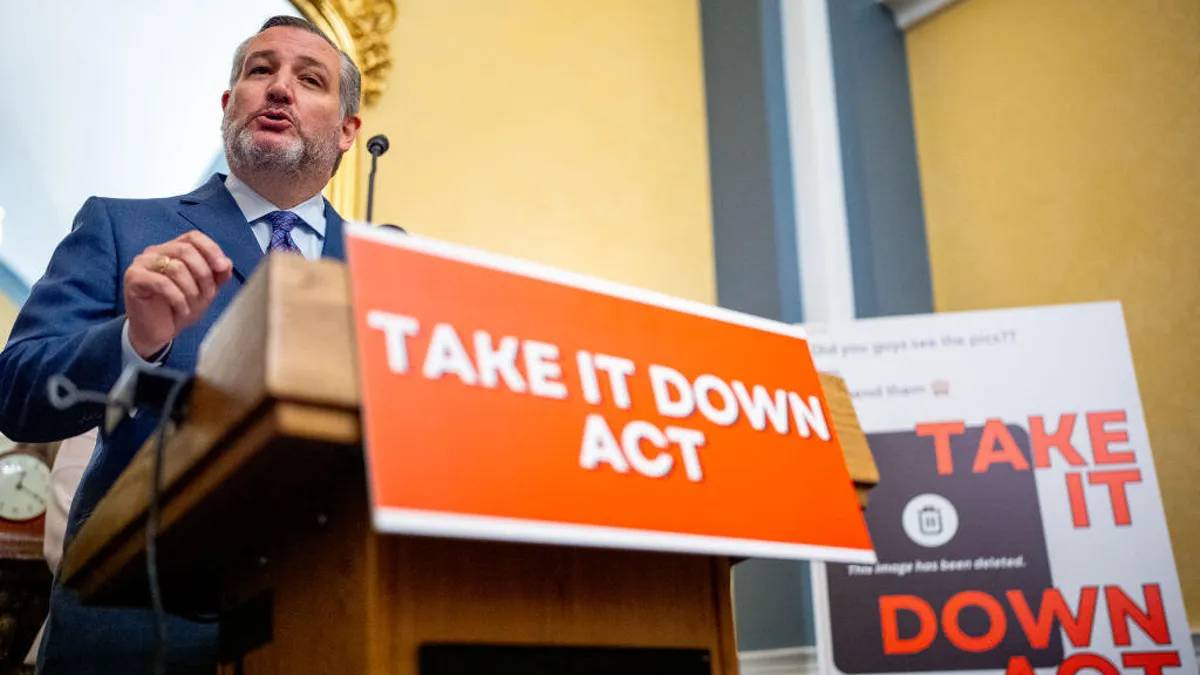
Image Source:  CNET

A new legal framework under the Take It Down Act is reshaping how nonconsensual intimate images are reported and removed across digital platforms. The policy strengthens victim recourse mechanisms and introduces standardized takedown procedures, signaling a significant shift in online safety enforcement and platform accountability across the United States.

The Take It Down Act establishes a structured process for individuals to request removal of nonconsensual intimate imagery from online platforms. Users can submit verified requests through designated reporting channels, triggering obligations for platforms to act within defined compliance timelines.

The law targets both explicit distribution and AI-generated intimate content without consent, expanding the scope of digital harm protections. Major technology platforms are expected to integrate standardized reporting tools and moderation workflows to comply with enforcement requirements.

The framework also emphasizes cooperation between federal agencies, tech companies, and victim support organizations to streamline takedown processes and reduce response delays. The rise of nonconsensual intimate imagery, including deepfake-generated content, has become a growing concern across global digital ecosystems. Legal systems have struggled to keep pace with the rapid spread of synthetic media and decentralized content sharing platforms.

The Take It Down Act reflects broader regulatory efforts to address online harassment, digital exploitation, and AI-driven misuse of personal likenesses. Over the past several years, policymakers have increased scrutiny of platform accountability, particularly regarding content moderation and victim protection mechanisms.

This legislative direction aligns with a global trend toward strengthening digital safety laws, as governments attempt to balance free expression with privacy protection. The inclusion of AI-generated content in the regulatory scope highlights the evolving nature of digital threats and the need for adaptive legal frameworks in response to generative AI technologies.

Digital rights advocates argue that streamlined takedown systems represent a critical step in reducing the harm caused by nonconsensual content online. Experts emphasize that speed and verification accuracy are essential in minimizing the spread and re-uploading of abusive material.

Policy analysts note that the effectiveness of the Take It Down Act will depend heavily on platform compliance infrastructure and cross-platform coordination. They also highlight potential challenges in verifying claims while preventing misuse of takedown mechanisms.

Technology policy researchers suggest that this law reflects a broader shift toward proactive platform responsibility rather than reactive content moderation. Government officials have framed the initiative as part of a wider effort to strengthen digital dignity and online safety standards in response to AI-enabled content manipulation risks.

For technology companies, the law introduces stronger compliance obligations, requiring rapid content removal systems and improved reporting workflows. Platforms may need to invest in AI-assisted moderation tools and legal review mechanisms to meet regulatory expectations. For businesses operating in social media, cloud hosting, and content distribution, the framework increases operational risk tied to moderation failures and delayed takedown responses.

For policymakers, the law sets a precedent for regulating AI-generated harmful content, potentially influencing future legislation in other jurisdictions. It also raises ongoing questions about enforcement consistency, cross-border data governance, and balancing user privacy with verification requirements.

Attention will now focus on how quickly major platforms implement compliance systems and whether enforcement mechanisms can scale effectively against rapidly evolving AI-generated threats. Regulators are expected to monitor cross-platform coordination and response times closely. The long-term impact will depend on how effectively the law reduces content proliferation while maintaining safeguards against misuse of the reporting system.

Source: CNET
Date: 2026-05-20

  • Featured tools
Scalenut AI
Free

Scalenut AI is an all-in-one SEO content platform that combines AI-driven writing, keyword research, competitor insights, and optimization tools to help you plan, create, and rank content.

#
SEO
Learn more
Wonder AI
Free

Wonder AI is a versatile AI-powered creative platform that generates text, images, and audio with minimal input, designed for fast storytelling, visual creation, and audio content generation

#
Art Generator
Learn more

Learn more about future of AI

Join 80,000+ Ai enthusiast getting weekly updates on exciting AI tools.
Thank you! Your submission has been received!
Oops! Something went wrong while submitting the form.

US Strengthens Digital Safety Content Laws

May 20, 2026

The Take It Down Act establishes a structured process for individuals to request removal of nonconsensual intimate imagery from online platforms.

Image Source:  CNET

A new legal framework under the Take It Down Act is reshaping how nonconsensual intimate images are reported and removed across digital platforms. The policy strengthens victim recourse mechanisms and introduces standardized takedown procedures, signaling a significant shift in online safety enforcement and platform accountability across the United States.

The Take It Down Act establishes a structured process for individuals to request removal of nonconsensual intimate imagery from online platforms. Users can submit verified requests through designated reporting channels, triggering obligations for platforms to act within defined compliance timelines.

The law targets both explicit distribution and AI-generated intimate content without consent, expanding the scope of digital harm protections. Major technology platforms are expected to integrate standardized reporting tools and moderation workflows to comply with enforcement requirements.

The framework also emphasizes cooperation between federal agencies, tech companies, and victim support organizations to streamline takedown processes and reduce response delays. The rise of nonconsensual intimate imagery, including deepfake-generated content, has become a growing concern across global digital ecosystems. Legal systems have struggled to keep pace with the rapid spread of synthetic media and decentralized content sharing platforms.

The Take It Down Act reflects broader regulatory efforts to address online harassment, digital exploitation, and AI-driven misuse of personal likenesses. Over the past several years, policymakers have increased scrutiny of platform accountability, particularly regarding content moderation and victim protection mechanisms.

This legislative direction aligns with a global trend toward strengthening digital safety laws, as governments attempt to balance free expression with privacy protection. The inclusion of AI-generated content in the regulatory scope highlights the evolving nature of digital threats and the need for adaptive legal frameworks in response to generative AI technologies.

Digital rights advocates argue that streamlined takedown systems represent a critical step in reducing the harm caused by nonconsensual content online. Experts emphasize that speed and verification accuracy are essential in minimizing the spread and re-uploading of abusive material.

Policy analysts note that the effectiveness of the Take It Down Act will depend heavily on platform compliance infrastructure and cross-platform coordination. They also highlight potential challenges in verifying claims while preventing misuse of takedown mechanisms.

Technology policy researchers suggest that this law reflects a broader shift toward proactive platform responsibility rather than reactive content moderation. Government officials have framed the initiative as part of a wider effort to strengthen digital dignity and online safety standards in response to AI-enabled content manipulation risks.

For technology companies, the law introduces stronger compliance obligations, requiring rapid content removal systems and improved reporting workflows. Platforms may need to invest in AI-assisted moderation tools and legal review mechanisms to meet regulatory expectations. For businesses operating in social media, cloud hosting, and content distribution, the framework increases operational risk tied to moderation failures and delayed takedown responses.

For policymakers, the law sets a precedent for regulating AI-generated harmful content, potentially influencing future legislation in other jurisdictions. It also raises ongoing questions about enforcement consistency, cross-border data governance, and balancing user privacy with verification requirements.

Attention will now focus on how quickly major platforms implement compliance systems and whether enforcement mechanisms can scale effectively against rapidly evolving AI-generated threats. Regulators are expected to monitor cross-platform coordination and response times closely. The long-term impact will depend on how effectively the law reduces content proliferation while maintaining safeguards against misuse of the reporting system.

Source: CNET
Date: 2026-05-20

Promote Your Tool

Copy Embed Code

Similar Blogs

May 20, 2026
|

Google Gemini Expansion Faces Quality Scrutiny

The latest commentary surrounding Gemini focuses on concerns that broader model expansion particularly multi-capability “Omni” systems could contribute to a surge in low-quality or redundant AI-generated content.
Read more
May 20, 2026
|

US Strengthens Digital Safety Content Laws

The Take It Down Act establishes a structured process for individuals to request removal of nonconsensual intimate imagery from online platforms.
Read more
May 20, 2026
|

Google Samsung Push AI Smart Glasses

Google and Samsung have confirmed plans to introduce AI-enabled smart glasses this fall, developed in collaboration with Warby Parker and Gentle Monster.
Read more
May 20, 2026
|

Google Expands AI Studio to Android Apps

Google announced the launch of an Android version of its AI Studio platform, enabling developers to build, test, and deploy AI applications directly from mobile devices.
Read more
May 20, 2026
|

Plex Raises Lifetime Pass Price Sharply

Plex has raised the cost of its lifetime Plex Pass subscription to $750, marking a substantial escalation after a previous price increase.
Read more
May 20, 2026
|

Google Turns Wear OS 7 Into Information Hub

Wear OS 7 introduces enhanced widgets and live data integration, allowing users to track package deliveries, sports scores, and other time-sensitive updates directly from their smartwatches.
Read more