



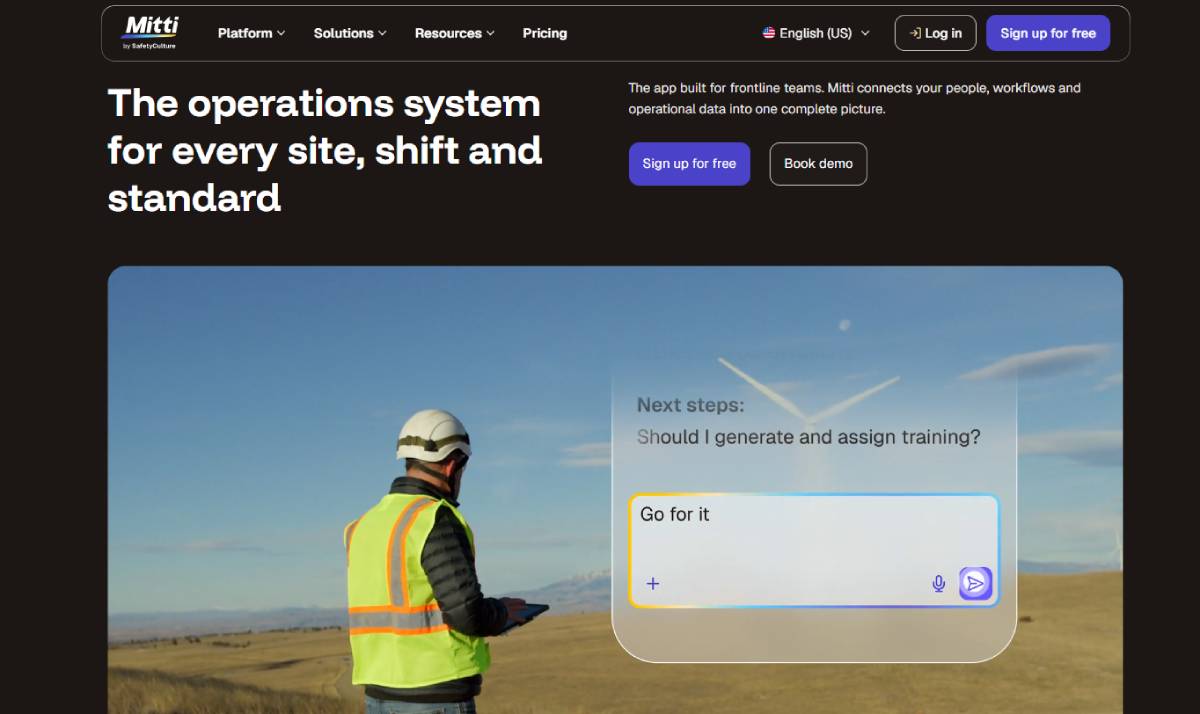
iAuditor is strengthening digital inspection and operational compliance by helping organizations replace paper-based checklists with structured mobile workflows. The platform is designed to give businesses greater visibility into workplace conditions, safety processes and operational standards while enabling teams to capture issues, assign corrective actions and generate actionable reports.
iAuditor provides digital inspection, auditing and checklist capabilities for organizations across industries. Employees can conduct inspections using mobile devices, capture evidence such as photographs and record findings directly within structured workflows.
The platform supports customizable templates, issue reporting, corrective actions, analytics and centralized reporting. These capabilities allow organizations to standardize inspections across locations while giving managers greater visibility into operational performance.
iAuditor is developed by SafetyCulture, which has positioned the platform as part of a broader workplace operations ecosystem. Its applications extend across safety, quality, operations, maintenance and compliance, reflecting growing demand for connected frontline-workforce technology.
The shift toward digital inspections reflects a broader transformation in workplace safety, quality management and operational compliance. Historically, organizations often relied on paper checklists, spreadsheets and manual reporting to document inspections. These methods can make it difficult for managers to identify recurring problems or compare performance across multiple facilities.
As businesses expand across locations and regulatory expectations become more complex, centralized digital records have become increasingly valuable. Mobile inspection platforms allow frontline workers to capture information at the point of activity rather than transferring observations into separate systems later.
iAuditor fits within this broader movement toward frontline digitalization. By combining inspections, issue management and reporting, the platform aims to connect operational observations with management action.
For executives, the strategic significance is clear: consistent inspection data can improve visibility into workplace risks, operational weaknesses and compliance performance while helping organizations create more standardized processes across distributed operations.
SafetyCulture positions iAuditor around improving the way frontline teams conduct inspections and communicate operational issues. The platform enables users to create digital checklists, capture evidence and escalate problems for corrective action.
The emphasis on mobile data collection reflects a significant change in frontline technology. Workers can document conditions while completing an inspection instead of relying on handwritten notes or retrospective reporting. This can improve the speed at which information reaches supervisors and operational leaders.
From a compliance perspective, digital records can also provide organizations with more structured evidence of completed inspections and corrective actions. However, technology alone does not guarantee compliance. Organizations must ensure that inspection templates accurately reflect applicable standards and that identified issues are properly investigated and resolved.
For business leaders, the value of platforms such as iAuditor therefore depends on adoption, workflow design and the organization's ability to convert inspection data into measurable operational improvements.
For businesses, digital inspections can reduce administrative work, standardize operational procedures and improve visibility across multiple facilities. Managers can potentially identify recurring issues faster and assign corrective actions through centralized workflows.
For employees, mobile-first inspections can simplify documentation and provide clearer processes for reporting workplace issues. For executives, aggregated inspection data can support risk management and operational decision-making.
The policy implications are particularly important in safety-sensitive industries. Organizations remain responsible for meeting applicable workplace safety, quality and regulatory requirements. Digital records can support compliance programs, but they must be accurate, secure and appropriately retained.
Executives should evaluate data governance, user permissions, auditability, integration and employee adoption when deploying digital inspection systems across large or regulated operations.
The future of workplace inspection technology is likely to involve greater automation, analytics and AI-assisted identification of operational risks. iAuditor is positioned within this transition from static compliance documentation toward continuously connected frontline intelligence. Decision-makers should watch how digital inspection data integrates with maintenance, safety, quality and enterprise systems. The strategic opportunity is to turn routine inspections into a source of real-time operational insight and measurable risk reduction.
Source: SafetyCulture
Date: August 13, 2026


